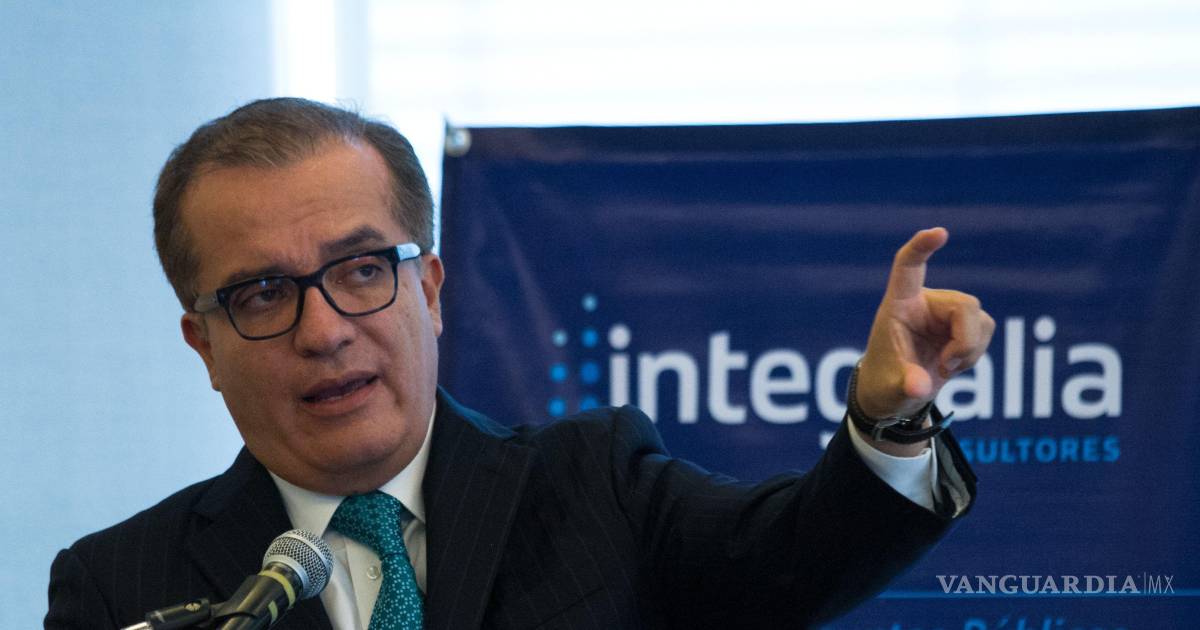
Luis Carlos Ugalde rejects fraud accusations over 2006 election, Digi Mart USA News (Mexico City): Former Federal Electoral Institute (IFE) president Luis Carlos Ugalde has rejected accusations from the Morena party that he carried out an alleged fraud in the 2006 presidential election. The accusations come amid a corruption scandal involving former National Electoral Institute (INE) president Guadalupe Taddei.
In a video posted on social media, Ugalde said the accusations are unsupported and noted that 20 years have passed since that election. He said the results were examined by the Electoral Tribunal, an authority independent of the IFE and the government, which weighed the evidence presented and declared the election valid.
“Attributing to me personally the execution of a fraud requires something more: demonstrating how it would have occurred and presenting concrete evidence,” he said.
Ugalde argued that the IFE in 2006 was not a personal office but a collegiate body of nine councilors, monitored by all political parties and supported by the professional electoral service nationwide, with more than 900,000 citizens selected by lottery to receive and count votes at polling stations. “Where are the instructions I supposedly gave?
Where are the recordings, emails or testimonies that prove my participation?” he asked.
He described recent statements by former president Vicente Fox, who asserted that “I made Felipe Calderón win,” as “irresponsible and erratic,” saying they have fueled confrontation and confusion. Ugalde said that what Fox wanted was one thing and the IFE’s decisions were another, noting the former president did not control the institute or take part in the vote count.
Ugalde clarified that he currently holds no elected office and is not affiliated with any political party, describing himself as a citizen entitled to express his opinions. As a former IFE president, he said, he remains subject to public scrutiny and will continue to be accountable, but that this does not mean accepting personal accusations without evidence.
“Faced with these accusations I could remain silent or respond in the same disqualifying way, but I choose another path: to respond with facts and defend the right of any person to dissent without being accused from power,” he said.
He warned that the greater the power of an authority, the greater its responsibility to exercise it with prudence and respect, and stressed that democracy deteriorates when those in power use their communication capacity to intimidate or undermine citizens who lack the same means of defense.