New Zealand 2026 election overhang and vote-splitting, Digi Mart USA News (New Zealand): Much of this election campaign has been dominated by discussions of overhangs and vote-splitting. An overhang occurs when a political party wins more electorate seats than its share of the party vote entitles it to, which affects proportionality in the 120-seat House.
For example, if a party wins 10% of the party vote, it is entitled to 12 seats in the House, but if it wins 14 electorates, it must hold 14 seats. The House must then grow by two seats to give the other parties their due proportionality, assuming no other parties were in a similar position.
This matters when forming a government. The more seats a party or bloc holds in a larger House, the more likely it is to form a majority.
Overhangs have occurred before, but this election is unusual because of the very public, intentional campaigns to produce one in the hope of forming the next government. Such campaigns have appeared on both sides of politics.
On the left, Te Pāti Māori ran a candidate-vote-only campaign, telling supporters to give their party vote to another party. The strategy aims to reduce Te Pāti Māori’s party vote to create a larger overhang, depending on how many seats the party wins.
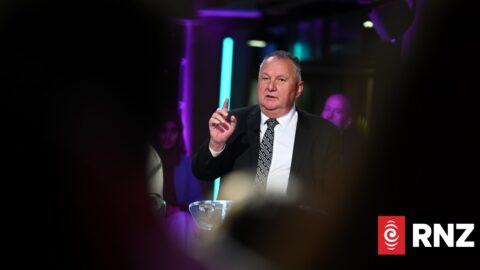
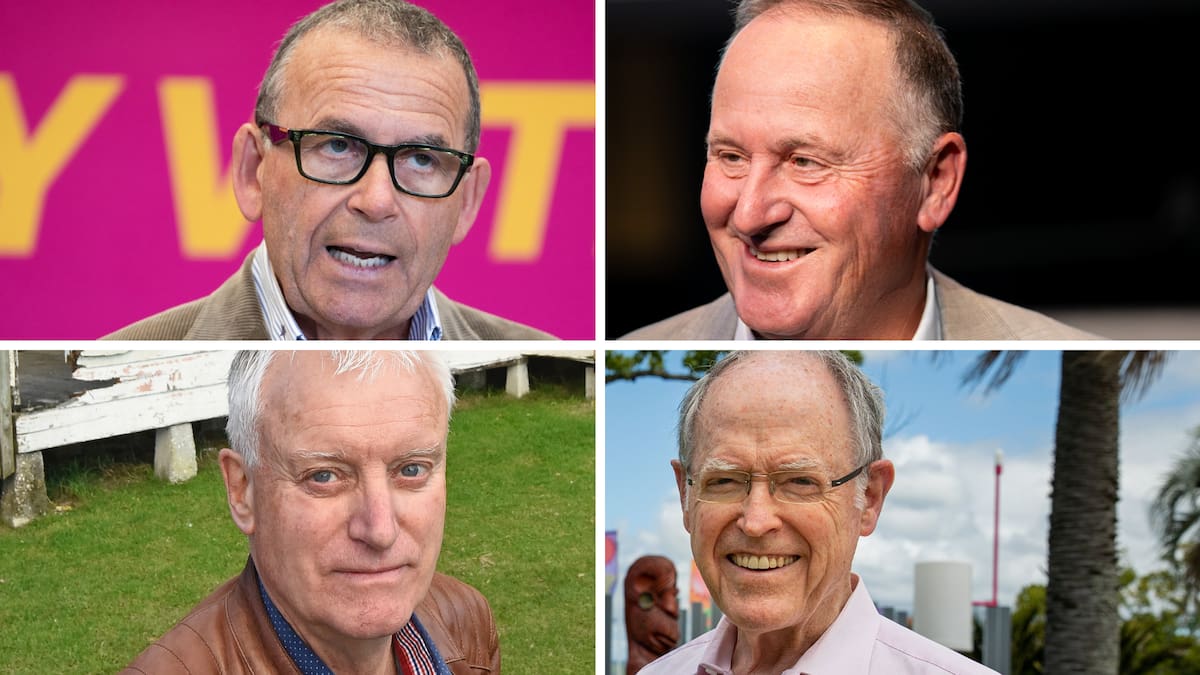
On the right, National has been at the center of a vote-splitting campaign, though not of its own choosing. Prominent right-leaning figures, including former National and Act leader Don Brash, called on National supporters who want a re-elected coalition to split their vote, giving their electorate vote to the National candidate but their party vote to Act or New Zealand First.
In theory, this approach reduces National’s party vote while increasing the seats it wins, engineering an overhang and raising the odds of re-election. However, it relies on enough people following such advice.
Christopher Luxon repeatedly warned supporters against vote-splitting and enlisted former leader Sir John Key to endorse the message. While the strategy could lead to re-election, it would leave National significantly depleted, with a smaller share of power in coalition negotiations.
The party would also have no list MPs, meaning those who do not run in an electorate or do not win their seat would not enter Parliament. With a party vote share smaller than the number of electorates won, no MPs would come in on the list, meaning Finance Minister Nicola Willis and Speaker of the House Gerry Brownlee would be out of Parliament.
Senior MPs Chris Bishop and Paul Goldsmith, who faced uphill battles to win their respective seats, were also at risk.
Ultimately, it will not be until the preliminary and then official counts are returned that it will be clear whether the public heeded calls to vote strategically.