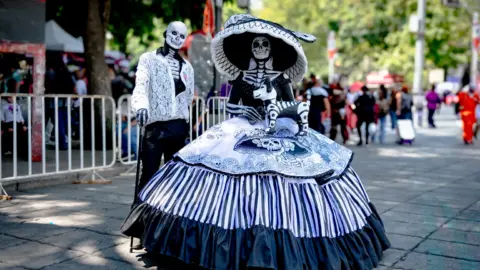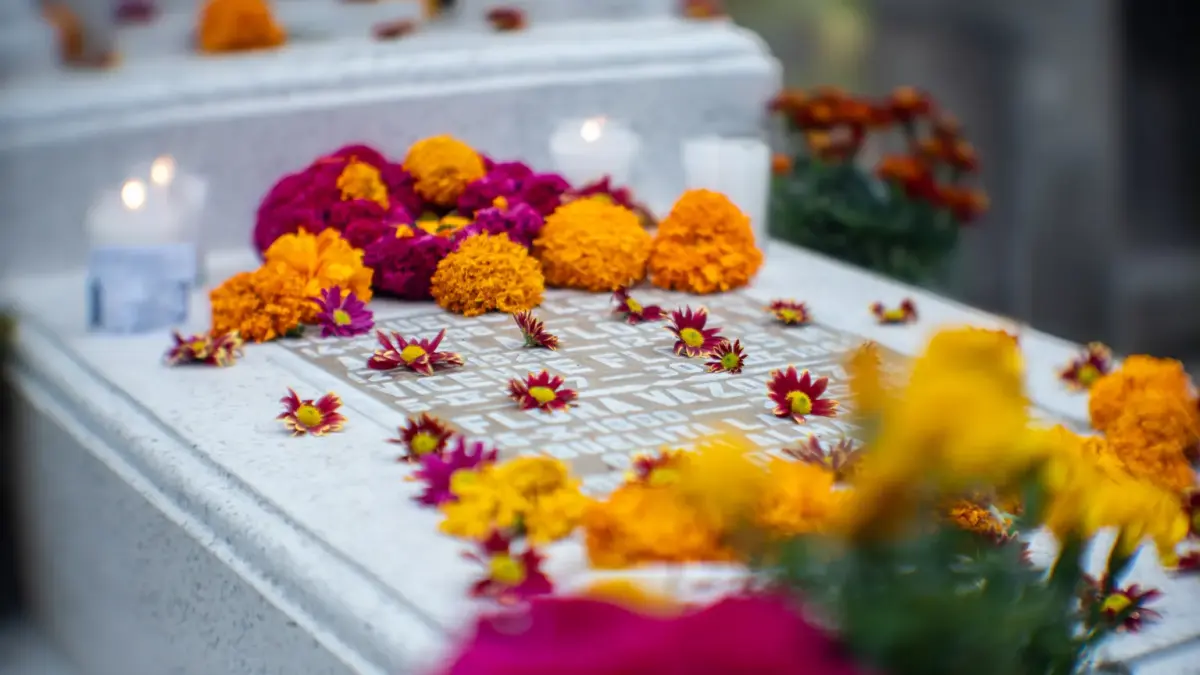
Día de Muertos celebrations across Mexico, Digi Mart USA News (Mexico): The Night of the Dead drew thousands of families to cemeteries in Michoacán, around Lake Pátzcuaro, where candles and cempasúchil marigolds illuminated the graves. Purépecha households kept vigil over their deceased, shared tamales and atole, and sang prayers to await the return of the souls.
In Tzurumútaro, Arocutín, Cuanajo and Tzintzuntzan, monumental floral arches were raised. On the island of Janitzio, the vigil was reserved for residents due to rehabilitation work in the cemetery.
In Oaxaca, the Gran Comparsa paraded through the historic center of the capital, and the Valle de Etla celebrated its traditional muerteadas. Families placed offerings of mole and pan de muerto, while groups such as the Diablos de San Sebastián Tecomaxtlahuaca marched through the streets with wind bands.
In Mexico City, San Andrés Mixquic, in the Tláhuac borough, held its Alumbrada. Residents turned off public lights and lit thousands of candles to illuminate the headstones, while relatives shared food and hired mariachi bands.
In Pomuch, Campeche, Maya families performed the Choo Ba’ak ritual, cleaning the bone remains of their relatives and wrapping them in new hand-embroidered cloths as a sign of respect.
On the Yucatán Peninsula, Hanal Pixán brought Maya communities together around the mucbipollo, an underground-cooked tamal placed on altars and graves as an offering and then shared among family members.
In the Huasteca, which includes parts of Hidalgo, Veracruz and San Luis Potosí, Xantolo filled cemeteries with regional music and masked dancers, while families decorated their altars with fruit and drinks to honor the souls.
In Guerrero, the Festival de Catrinas, Macarios y Día de Muertos included night tours in Taxco de Alarcón. On the Costa Chica, Afro-Mexican communities performed the Danza de los Diablos with horsehair masks and wooden drums.
Altars dedicated to unaccompanied souls, honoring the dead who have no relatives to remember them, were also maintained. Vigils and offerings reaffirmed the coexistence of the living and the dead, one of Mexico’s most representative cultural expressions.