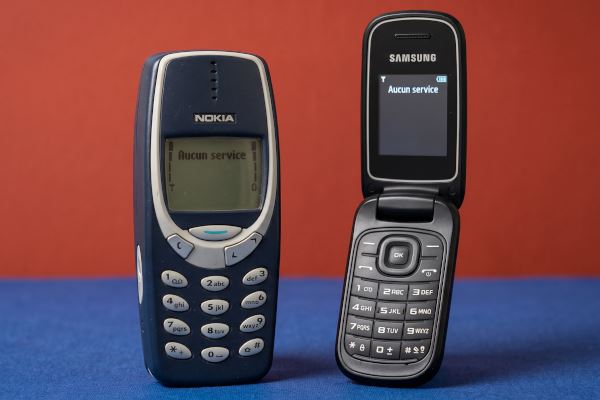
France 2G network shutdown, Digi Mart USA News: The gradual shutdown of 2G networks in France is accelerating at the end of 2026. As a result, many older basic mobile phones are suddenly displaying “No service” and losing access to the mobile network, making it impossible to send or receive SMS messages and calls.
According to the publisher, the phone is not broken. The network is simply evolving and making the device obsolete.
Fnac experts explain the change and point to simple 4G- and 5G-compatible solutions for users who want to keep communicating without major changes to their habits.
2G antennas, and soon 3G antennas, are aging, less secure and very energy-intensive. French operators Orange, SFR and Bouygues Telecom are deactivating these outdated infrastructures to free up radio frequencies.
The recovered spectrum is used to densify and improve coverage of 4G and 5G networks, which the publisher describes as faster, more capable and more energy-efficient for current data volumes.
Phones purchased before 2015 that rely only on 2G are most likely affected. Warning signs include no internet access, the disappearance of the “E” or “G” (Edge/GPRS) indicator at the top of the screen, or a sudden inability to make calls even when the plan is active.
Older keypad models, such as classic Nokia phones and earlier-generation flip phones from Samsung, are among the first to be affected.
The 2G shutdown also affects equipment beyond mobile phones. Many home and automotive devices use a basic SIM card to communicate, including standalone residential alarm systems, telealarm units for elderly people, GPS vehicle trackers and some SMS-operated gate controls.
The publisher advises checking the technical documentation of connected devices: if they operate exclusively on the 2G band, they will stop sending alerts and must be updated or replaced with 4G modules.
Switching from 2G to 4G does not necessarily mean adopting a complex touchscreen. Brands such as Doro and Nokia offer 4G phones that keep the familiar design of older models, with a physical keypad, simple menus, sturdy construction and strong battery life.
The publisher notes that flip-style phones remain practical because opening the device answers a call and helps prevent accidental dialing in a bag.
For users who want to receive family photos via WhatsApp or make video calls, simplified smartphones are presented as the best option. They include a touchscreen, but the interface is redesigned to reduce input errors, with large icons, visual menus, amplified sound and, in many cases, a physical SOS assistance button on the back of the device.
In this category, the Swedish brand Doro is described as a central player.
In most cases, a current phone plan already covers 4G use at no extra cost despite the 2G shutdown. Older phones used large SIM cards (mini-SIM or micro-SIM), while newer devices require a much smaller nano-SIM.
Customers can request the correct format from their operator while keeping the same phone number.
Changing technology can be stressful, especially for people less comfortable with digital tools. At Fnac stores, the publisher says experts help customers identify the most suitable model and assist with first steps on the new device.
Customers are also encouraged not to discard obsolete 2G phones and to bring them in for Fnac’s recycling program, which the publisher says ensures ecological end-of-life handling and secure destruction of old data.
The shutdown primarily affects individuals still using older keypad or flip phones for calls. It also affects machine-to-machine (M2M) equipment that uses older SIM cards, including home alarm systems, telealarm units for elderly people, legacy payment terminals and GPS trackers.
The shutdown timetable depends on each traditional operator. According to the publisher, Orange was the first to permanently switch off its 2G network at the end of 2025.
SFR and Bouygues Telecom have scheduled the full shutdown of their 2G antennas for the end of 2026. Free Mobile is not affected because it never deployed a 2G network.
The 3G shutdown is the next step in this modernization plan. French operators have scheduled the permanent closure of their 3G antennas between the end of 2028 and the end of 2029, moving their networks entirely to 4G and 5G.
A phone equipped with a 4G-only chip cannot access 5G networks. However, 4G coverage is now nearly complete across the territory and will continue to be operated and maintained to carry most communications for probably many years to come.