X-linked dystonia-parkinsonism mouse model, Digimart Global: Researchers have created living mice carrying an accurate but accelerated version of X-linked dystonia-parkinsonism (XDP), a rare, adult-onset neurodegenerative disease. The work was led by NYU Langone Health researchers and published online in the journal Cell.
How the mouse model was built
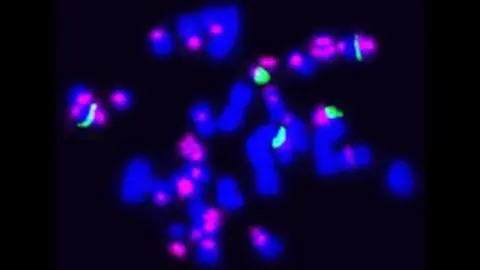
The team used a technique called genome writing to rewrite part of the mouse TAF1 gene so that it carried human genetic material linked to XDP. The disease is caused by SINE-VNTR-Alu (SVA) transposons, a class of jumping genes found in humans but absent in mice, which insert themselves into TAF1.
TAF1 helps produce the machinery that copies DNA into messenger RNA. According to the researchers, the inserted SVA elements block this copying process, reducing TAF1 protein levels and leading to cell death.
Faster symptoms and possible treatment routes
The mice, along with the mouse embryonic stem cells they developed from, reproduced the molecular and symptomatic features of human XDP, including reduced TAF1 protein, cell death and holes in the brain. The mice showed symptoms in about 1.5 months, compared with around 30 years in human patients, which could enable faster testing of potential treatments.
Senior author Jef D. Boeke, PhD, of NYU Langone said humans may have evolved defences against SVAs that mice lack.
Using a molecular tool called dCas9 to boost TAF1 expression in stem cells, the researchers showed the effect of the SVA on TAF1 levels could be reversed, suggesting that raising TAF1 levels may counter disease progression.
A second study points to supporting cells
A companion paper in the same issue of Cell, led by Shane A. Liddelow, PhD, found that the cells affected by XDP in mouse brains were oligodendrocytes rather than neurons, as many had predicted.
Oligodendrocytes produce the myelin insulation around nerve fibres. The researchers reported that myelin loss also occurred in banked human XDP brain tissue, a defect the authors say had been missed by earlier studies.
The findings are based on research published in Cell and the study’s authors describe them as early laboratory results. The authors state that the work establishes a rationale for future therapeutic development for XDP patients; no clinical treatment has been reported in the study.