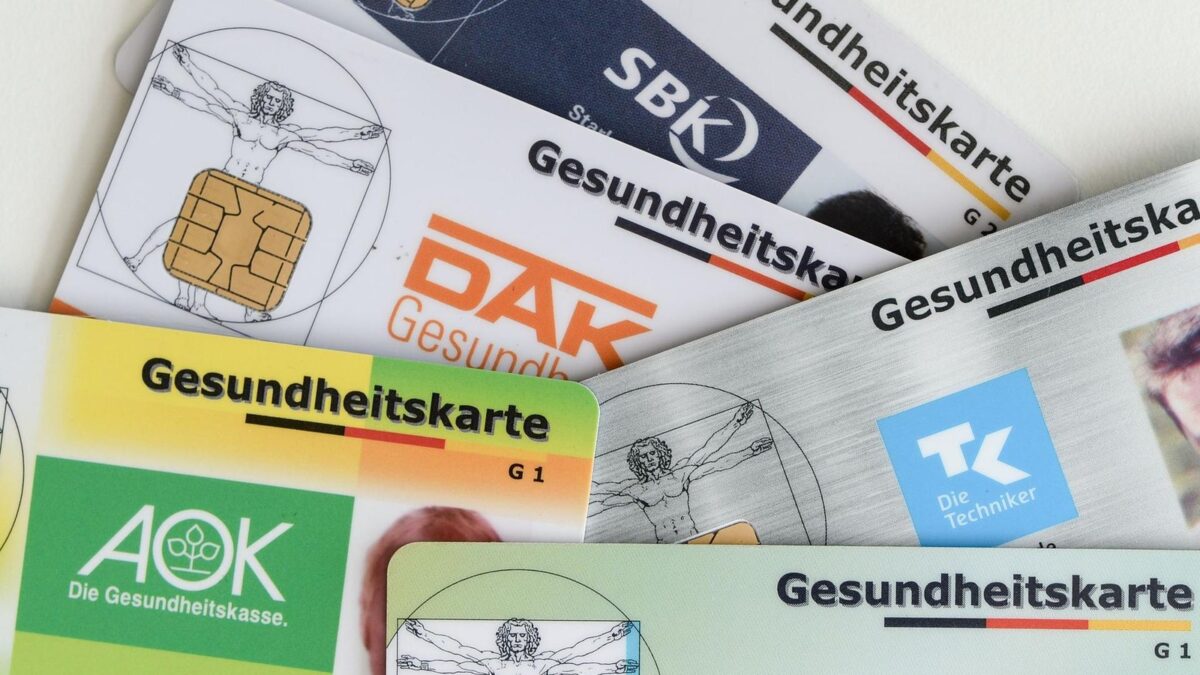
German health insurers warn 1.5 million insured people, few respond, Digi Mart USA News (Germany): Only a minority of insured people who are alerted by their health insurance fund to possible health risks follow the corresponding recommendation afterward. Of roughly 1.5 million people whom the funds targeted in 2024 and 2025 using their health data, about 110,000 have so far acted on a notice, or fewer than one in ten.
The figure is preliminary, because delayed billing data may mean not all responses have yet been recorded. The information comes from a report by the GKV-Spitzenverband, the umbrella association of statutory health insurers, which was made available exclusively to the publisher.
The analysis is based on the Health Data Use Act, which took effect in March 2024. It allows health insurance funds to evaluate billing and insurance data in a targeted way to identify previously undetected illnesses and health risks.
These include cancer, possible dangers from medications, previously unrecognized need for long-term care, and missing protective vaccinations. Affected insured people are then informed by their fund and referred to suitable examinations or care services.
Stefanie Stoff-Ahnis, deputy chair of the GKV-Spitzenverband, told the publisher that actively contacting insured people based on their individual data “can and should concretely contribute to better care.” Early notices could help detect diseases in time or prevent deterioration. In the best case, serious disease courses could be avoided.
One example is breast cancer screening. Women aged 52 to 75 were identified who had additional risk factors, such as a family history, but had not yet undergone gynecological cancer screening or a mammogram.
Women with gestational diabetes whose required blood sugar follow-up was not documented were also alerted to their increased risk of later type 2 diabetes.
Health insurers most often used the new options to draw attention to missing vaccinations. Around 1.3 million insured people were contacted about this.
At least eight percent of them subsequently received the recommended vaccination. These included children and adolescents whose protection against human papillomavirus (HPV) was missing or incomplete.
The vaccination can protect against certain cancers.
Not all health insurers have adopted the new options. Of 94 funds, only 15 had implemented such measures by the end of 2025.
However, these funds cover about 64 percent of statutory insured people. Many other funds cited a lack of staff, financial constraints and legal uncertainty.
In addition, billing data sometimes becomes available only with considerable delay. For this reason, it cannot be clearly determined whether insured people actually used recommended services because of their fund’s notice.
Use of health data for this analysis is voluntary. Insured people can object to the use of their data at any time.
According to the report, around 17,600 people have done so so far, which is less than 0.4 per thousand of insured people at the participating funds. Stoff-Ahnis stressed that the use takes place in compliance with data protection rules and in the interest of insured people.
She said the targeted and confidential use of existing data could help further improve health care.