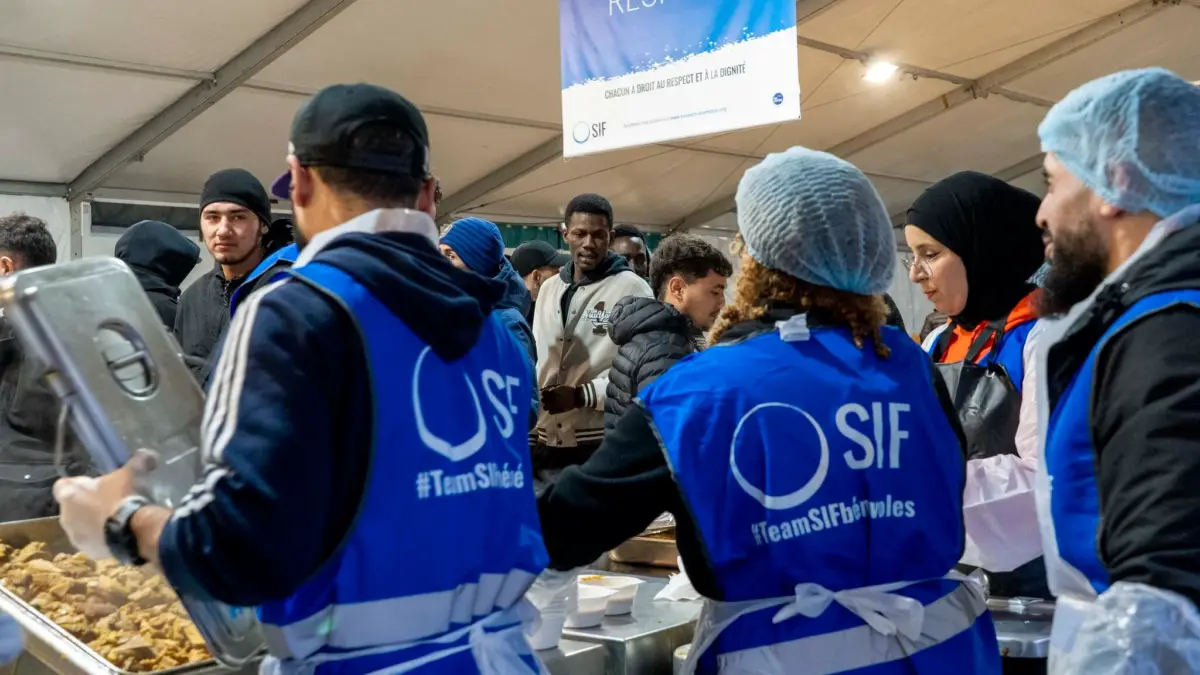
Secours Islamique France data breach exposes donor personal information, Digi Mart USA News (Massy, France): The Secours Islamique France (SIF) has confirmed that it was the victim of a cyberattack that exposed personal data belonging to its donors. In an email sent to the people concerned, the humanitarian organization acknowledged that an unauthorized third party accessed part of its information.
The compromised data includes identities, personal contact details, and the amounts, dates and designated purposes of donations made. Founded in 1991, the Secours Islamique France is a French non-governmental organization (NGO) headquartered in Massy, in the Essonne department.
It operates in France and internationally in humanitarian aid, poverty reduction, food security and child protection. According to a report from the Cour des comptes published in July 2026, the association collected more than 50 million euros in donations in 2024.
In a notice sent directly to its donors, the SIF acknowledged that it recently suffered a cyberattack that allowed unauthorized access to part of its data. The organization said the incident was quickly resolved after it was discovered.
However, it did not specify the exact date of the intrusion, how long the unauthorized access lasted, or the method used by the attackers.
The number of affected donors has not been disclosed. The notice also does not establish whether the information was merely viewed or actually extracted from its computer systems.
In its email, the Secours Islamique France detailed the categories of personal information exposed. The presence of information about how donations were allocated is a particularly sensitive element of the leak.
Such data can reveal which humanitarian causes a person supports and help reconstruct part of their giving history.
The SIF did add an important clarification: no bank details were compromised. The association explained that banking information used for online donations is neither accessible nor stored in its own database.
It is processed directly by its secure banking payment platform.
The method of intrusion has not been made public. The SIF only states that it identified unauthorized access to part of its data.
A compromised credential, an application vulnerability or a access control flaw could potentially allow access to a donor management database, but none of these scenarios has been confirmed in this case.
Humanitarian organizations generally use donor relationship management tools to store contact information, track contributions and produce the receipts they require. Centralizing this information can represent a significant risk when an attacker gains access to its storage or processing environment.
The compromised data could allow cybercriminals to target donors with highly credible fraudulent humanitarian appeals. By knowing a person’s identity, contact details, previous donation amounts and supported causes, a scammer could impersonate the association to request a new contribution.
Attackers could also send fake messages about a tax receipt, a payment problem or a humanitarian campaign the donor has already supported. Knowledge of donation history could also reveal certain personal preferences or convictions of those affected, depending on the nature of the campaigns they contributed to.
At this stage, no fraudulent exploitation of this information has been confirmed.
Following the discovery of the incident, the Secours Islamique France said it carried out an additional audit of its IT environment and implemented measures intended to strengthen its security. The organization stated that the problem that allowed the unauthorized access was quickly resolved.
As of November 7, 2026, the cyberattack and the exposure of personal data are acknowledged in the notice sent to donors. However, the number of people affected, the technical origin of the compromise and the identity of the attackers remain unknown.
This case illustrates a particular risk for humanitarian organizations: a data leak can expose not only donors’ identities and contact details but also information about their financial contributions and the causes they choose to support.