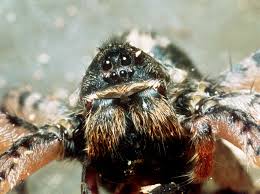
Southern Russian tarantula and black-bellied tarantula spread across Austria, Digi Mart USA News (Austria): Both of Austria’s native tarantula species are harmless to humans, and the Nature Conservation Association of Austria (Naturschutzbund) has recorded more than 200 reports of them since early September. Of those, 175 have been confirmed by experts on the citizen science platform naturbeobachtung.at.
The Southern Russian tarantula is found mainly in eastern Austria, while the black-bellied tarantula is distributed mainly in southeastern Austria. Both species are most often seen in autumn, when they seek warm places to overwinter and frequently wander into homes, houses and garages.
Styria recorded 66 observations since early September, Lower Austria 49 and Burgenland 43. Styria and Carinthia have so far reported only black-bellied tarantula sightings this year, while Vienna and Lower Austria have reported only Southern Russian tarantulas.
Burgenland has reported both species.
The Southern Russian tarantula was first documented in the early 1920s in the Neusiedl Lake area and in Vienna, though its range likely extended into Austria as early as the postglacial steppe period. Known records come from Burgenland, Vienna, Lower Austria and Styria.
The first published record of the black-bellied tarantula in Austria dates to the 1970s in Styria, and the species has since spread further through southern Austria, with records from Carinthia, Burgenland and Styria.
Carolina Trcka-Rojas, an expert at the Nature Conservation Association of Austria, said a Southern Russian tarantula sighting in Tulln, Lower Austria, is particularly notable because no reports have previously come in from the surrounding Tulln basin or Korneuburg. She also noted that a black-bellied tarantula was recorded in late August in Stossau in the lower Gail Valley, the westernmost record for the species, while the northernmost came from Lackendorf, Burgenland.
She said the two species will likely soon overlap in habitat in Austria.
Neither species poses a danger to people. Anyone who finds one indoors is advised to carefully return it outside in a glass or similar container, avoid disturbing spiders encountered outdoors, and never take them home, since relocation can disorient them.
The association asks the public to continue submitting observations at naturbeobachtung.at, where data is reviewed by experts. The platform and its app have collected nature data since 2006.