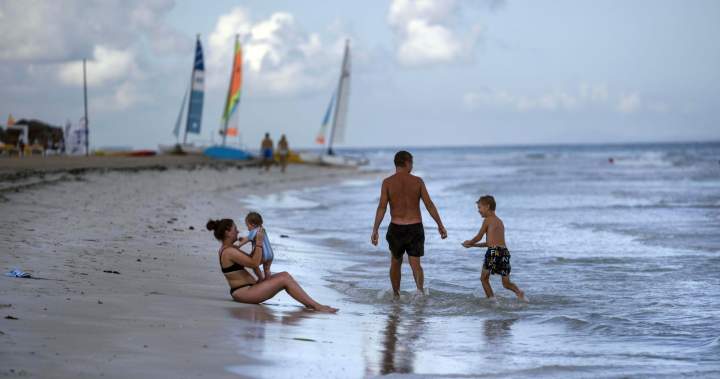
Canadian travelers shifting winter vacations away from Cuba, Digi Mart USA News: As the winter holiday season approaches, one of the most popular sunny destinations for Canadian travelers remains out of reach. The United States oil blockade against Cuba triggered severe fuel shortages on the island and prompted Canadian airlines to indefinitely suspend flights there earlier this year.
Travel agents say Canadians looking to escape the cold this year will have to pay more than they are used to for affordable all-inclusive packages in Cuba. Ashley Harold, a travel agent at Flight Centre Canada, said Mexico, the Dominican Republic and several other Caribbean countries and territories, including Aruba, Barbados and Jamaica, appear to be receiving most of the diverted travelers.
“There isn’t one new Cuba, if you will. Canadians are really spreading their winter travel across a much wider mix of destinations and trip types,” she said in a recent interview.
“We’re also seeing some travelers consider Caribbean cruises or tours to still-warm places like Costa Rica or Peru.”
Domestic tourism is also gaining traction. Harold said some Canadians are choosing winter destinations within the country, from Alberta to the West Coast.
“Folks, now more than ever, are wanting to explore their own backyard and keep their dollar within Canada,” she said.
Even though advance bookings have become the norm since COVID-19, the lack of Cuban vacations has led Canadians to make reservations in other destinations much earlier to secure the best pricing and selection, Harold said.
Cuba welcomed more than a million Canadians annually before the pandemic, but that number has steadily declined in recent years, falling to around 700,000 in 2025, according to Statistics Canada. The agency recorded 127,000 Canadian visits to Cuba in the first quarter of this year.
Those figures dropped significantly after U.S. President Donald Trump imposed the oil blockade on Cuba early this year.
The Canadian government subsequently issued a travel advisory citing shortages of medicine, food and fuel, and it still advises Canadians to avoid all non-essential travel to Cuba.
After airlines suspended flights and major hotel chains pulled out, Cuba’s tourism industry and the local economy that depended on it were further devastated. The country of around 11 million people is facing a humanitarian crisis caused by the latest sanctions and the decades-long U.S.
trade embargo.
Cuba’s tourism market was dominated by Canadians who valued its affordable winter vacation options. Now they need to spend hundreds of dollars more to explore other destinations or reduce the number of trips they take each year, travel agents say.
John Wood, president of Durham Travel east of Toronto, said Cuba visitors are “value conscious” and want to travel as often as their budgets allow. Some of his agency’s clients used to go to Cuba “three, four or five times a year … because they could go for a very reasonable price, get away and enjoy the sun and beautiful beaches,” he said in a recent interview.
Wood said his agency’s Cuba sales dropped from more than $389,000 last year to just $24,000 so far in 2026. Meanwhile, travel sales for the Dominican Republic rose from about $1 million in 2025 to nearly $1.3 million so far this year.
“The Dominican Republic appears to have absorbed most of the difference from Cuba,” he said, noting travelers’ concerns about crime and large seaweed blooms in Mexico.
At Flight Centre Canada, however, Mexico remains the top destination, even though it is pricier, Harold said. A seven-day package at a four-star resort in Varadero, Cuba, with a flight from Toronto cost under $1,400 per person around the last holiday season, she said.
Comparable trips to Mexico, the Dominican Republic and Jamaica cost around $1,800 this year, according to Flight Centre data.
“So, for travelers who are used to Cuba pricing, there may need to be a reset in expectations before they start shopping,” Harold said. She added that travelers can “get creative” with their vacation plans this holiday season.
“I think this is a great opportunity for Canadians to branch out a little bit more with their travels and experience something new,” she said.