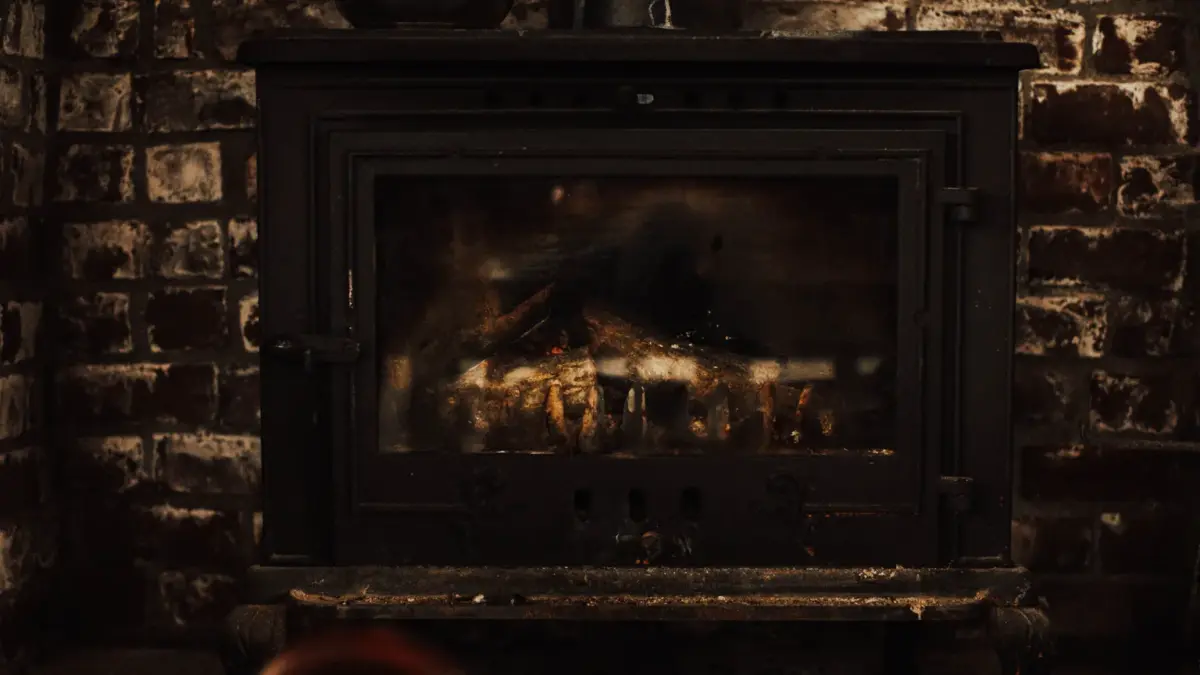
Wood-burning stove heating in France this winter, Digi Mart USA News: Uncertainty over energy prices is drawing French households toward wood-burning stoves. According to the publisher, the stove may offer a middle ground between lower bills and comfort as winter approaches.
The publisher reports that winter is expected to be difficult for many households as energy prices have risen. Citing data from the International Energy Agency (IEA) released on Tuesday, the article says European gas reserves were 75% full at the end of October, below a minimum target of 80%.
It describes this as the lowest level for this point in the year since 2013, which could add pressure on markets if temperatures drop for an extended period.
Heating oil prices are also fluctuating. On Tuesday, November 3, the article cites average announced prices of 1,814 euros per 1,000 liters at FioulReduc, 1,724 euros at Fioulmarket and 1,800 euros at PrixFioul.
These prices are described as lower due to the release of strategic stocks, but the publisher warns that this situation may not last, and that households with oil-fired boilers could face high bills this year.
Against this backdrop, the article says a wood-burning stove may be an attractive alternative to gas or oil heating. Unlike those fuels, wood is not directly affected by oil price movements, the publisher notes.
It also states that a recent stove generally delivers higher efficiency than an open fireplace, releasing more heat into the room for the same quantity of fuel. In a well-insulated home, it can heat living areas and reduce reliance on the main heating system.
The publisher cautions that installation costs go beyond the stove itself, including fitting, connection and any work on the flue. Costs can vary considerably depending on the home, and comparing several quotes is recommended.
Financial assistance may be available for some wood-heating projects, particularly under energy renovation programs, but eligibility depends on income, the dwelling, the appliance chosen and current rules, which should be checked before signing a quote as of November 3, 2026.
Fuel quality is another consideration. According to the article, logs should contain less than 20% moisture for good combustion, since wet wood produces less heat, more smoke and faster buildup in the installation.
Maintenance is also essential: chimney sweeping is required at least once a year, subject to additional local requirements. Poorly maintained installations increase the risk of fire and carbon monoxide poisoning.
The article also acknowledges environmental limits. Even modern appliances emit fine particles, and choosing an efficient stove, controlling combustion and using quality fuel can reduce this pollution.
Finally, the publisher notes that a stove may not heat all rooms evenly, and in large or poorly insulated homes, supplementary heating may still be needed.