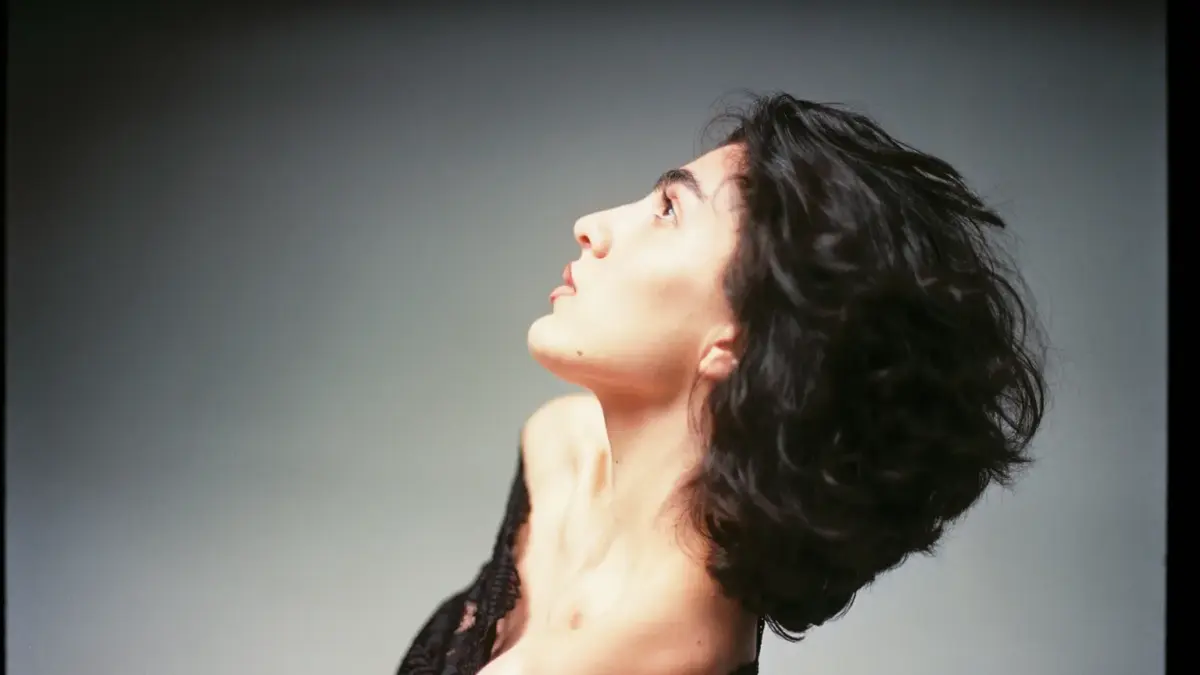
Cécile de France interview on L’affaire Marie-Claire, Digi Mart USA News: Natural and sunny are the first words that come to mind when describing Cécile de France. Over time, the Belgian actress has established herself in French cinema without giving up her spontaneity, keeping her distance from star-system artifice.
She is consistently drawn to the truth of the characters she plays and feels equally at home in popular comedy, auteur cinema and more demanding roles. Beyond the set, she describes her work as a space for encounter, sharing and transmission.
Currently filming in Marseille for the sixth time with Cédric Klapisch, she stopped in Paris to discuss L’affaire Marie-Claire, the new film by Lauriane Escaffre and Yvo Muller, starring Charlotte Gainsbourg, Cécile de France and Saül Benchetrit. The film opens in French theaters on November 4.
Asked why she quickly accepted the script, de France said she admired the directors’ approach. Rather than a conventional biopic about Gisèle Halimi, they sought to understand who Halimi was, and they included her mother, Fritna, in the story.
That choice, she said, explains why Halimi became the figure she was.
De France described Fritna as a woman confined to kitchen work, married at 15 and a mother at 17, who she believes took out some of her frustration on her daughter. She noted the tension in the courtroom when Gainsbourg’s Halimi looks toward her mother, seeking recognition.
Their love, she said, is real but complicated.
The actress said the directors balanced intimacy and history carefully. Before presenting a historical event or a biopic, they reflected deeply on intimacy, and she believes those choices allow audiences to connect with the characters and feel a sense of solidarity with them.
She also explained the contrast between the relationship of Michèle and Marie-Claire and Halimi’s relationship with her own mother, describing two opposing ways of loving. She said she did not know Halimi or the trial before taking the role, and she believes many young people today are unaware of this woman and her case.
On the law at the center of the story, de France said the 1920 law was unjust because wealthier women could travel to Switzerland or England for abortions, while economically disadvantaged women were forced into clandestine procedures. She said Marie-Claire’s situation was outrageous, noting that it was her rapist who reported her.
De France said Halimi’s genius at the trial was to shift the moral burden, so that the defendants were no longer the mother and daughter but society and its legislation. She described her character as someone unfamiliar with the justice system who nonetheless stated clearly, when testifying, that she would do it again without hesitation.
She portrayed Michèle Chevalier as an engaged and militant woman who wanted the best for her daughter and for women collectively, gaining confidence over the course of the film and taking her place as a citizen, not only as a mother. De France linked this to sisterhood, which she described as acting together for everyone’s good.
De France acknowledged the cost. Although the women won the trial, she said it was a traumatic upheaval for their family.
She said she could not meet Michèle, who is still alive and, she believes, does not wish to see the film because it was too painful. Marie-Claire changed her first name to escape stigma and died several years ago.
De France said the family was ashamed and did not speak about the case.
Discussing the intergenerational transmission of this courage, de France said younger actors also enrich the work and that the film addresses several generations. She said the generation that lived through the events remembers a hard fight, the middle generation may have assumed the right was permanently secured, and younger people now see that such rights are not guaranteed.
She referred to growing anti-abortion movements and cited World Health Organization figures reported in the interview: 39,000 deaths in 2022 and 22 million clandestine abortions worldwide. She said restrictive laws produce deaths, tragedies and psychological suffering, and that abortion rates are similar in countries where it is legal and where it is banned.
Asked whether she consciously chooses roles about women shaped by real life and personal or social upheaval, de France said her priority is variety and that she would be bored playing the same kind of character. She said she is drawn to scripts that resonate with the present day but insisted she is not a spokesperson for any cause, describing herself first and foremost as an artist.