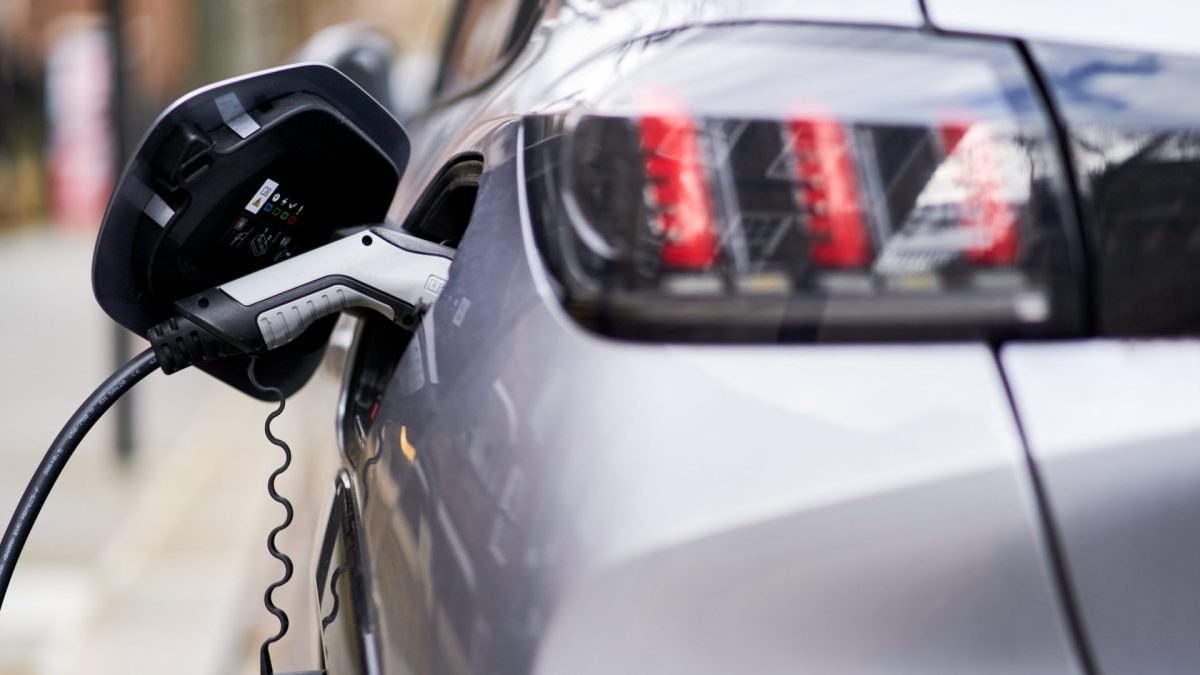
EV pay-per-mile tax, Digi Mart USA News (United Kingdom): The UK government is planning to digitally track the mileage of electric car owners under a new pay-per-mile tax, according to proposals revealed in the small print of the Budget.
The levy is estimated to cost the average driver around £300 a year. It was first announced during Sir Keir Starmer’s premiership.
Owners of fully electric cars and plug-in hybrids would be required to provide accurate mileage estimates to the DVLA so their tax bills can be calculated.
Under current plans, the charge would apply to cars but not electric vans. Petrol and diesel drivers contribute to road use through fuel duty, while electric vehicle drivers pay no equivalent charge.
Treasury figures put average annual fuel duty costs for petrol and diesel drivers at around £480.
Fuel duty generated £24bn for 2025-26 and is a key source of government revenue. The duty, which stands at 52.95 per litre, will be frozen until July 2027.
The pay-per-mile tax was devised in response to declining fuel duty revenue as more drivers switch from petrol and diesel to electric vehicles.
The charge would be introduced from April 2028. It would initially be set at 3p per mile for electric vehicles and 1.5p per mile for plug-in hybrid electric vehicles.
The government would track drivers’ mileage digitally under proposals outlined in the small print of Andy Burnham’s first Budget. It said it will develop an “opt-in system to make use of vehicles’ in-built connectivity.” Most modern cars display mileage electronically, and newer electric and hybrid models have internet connectivity and GPS, which the government intends to use to determine tax bills.
The digital reporting system, eVED Connect, would let motorists use connectivity so they do not have to report mileage manually. A Treasury spokesman said: “There will be no requirement to install trackers in cars, or report where and when miles are driven.”
Owners who opt out could supply their mileage reading manually. Officials would use mileage data collected during annual MOT tests to check that figures supplied by drivers are accurate.
If actual mileage is higher than the owner’s estimate, they would be required to pay the balance.
For an electric car owner driving 10,000 miles a year, the 3p rate would equal £300 annually for 2026/27, while a plug-in hybrid owner would pay £150 for the same mileage. The rate is the same for new models such as the latest BYD model and older cars such as the first-generation Nissan Leaf.
However, total tax bills will be higher because of road tax, which varies depending on when a car was first registered.
Most electric car owners will pay £200 in road tax for 2026/27. Motorists with cars registered between 1 March 2001 and 31 March 2017 will pay £20.
Electric vehicles registered from 1 April with a list price of £50,000 or more would pay an extra £440 a year for five years from the second year onwards.