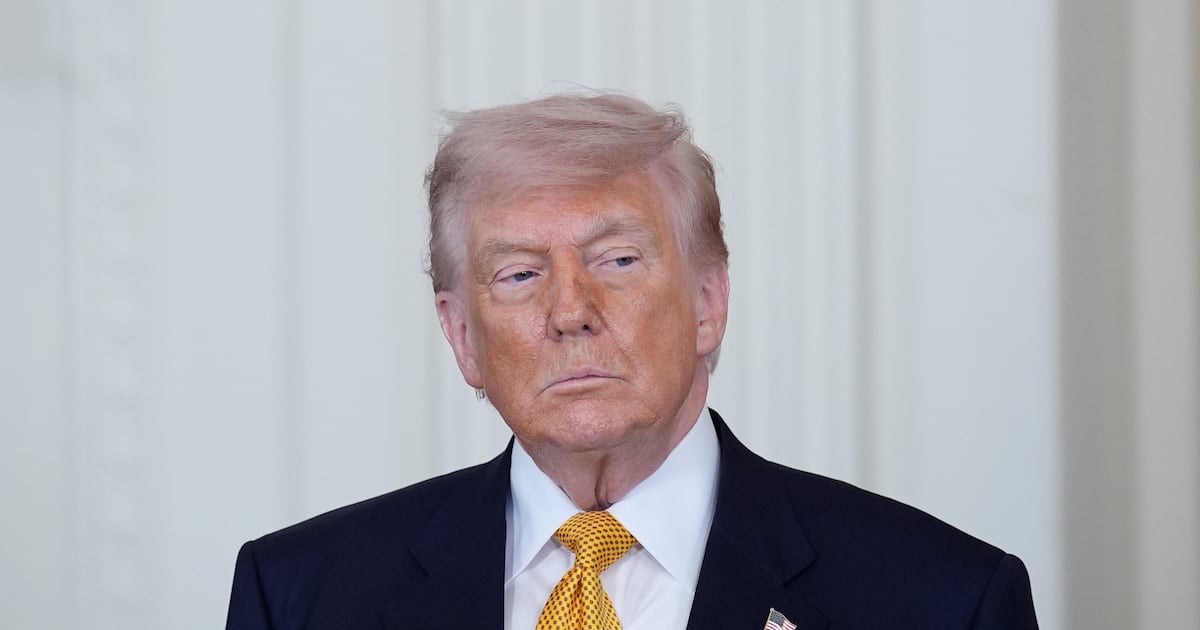
Democrats’ midterm election gains and implications for Trump and US-Mexico relations, Digi Mart USA News: A Democratic victory had been expected, but according to an opinion column published by El Financiero, the results were overwhelming. The column reports that the outcome returned majorities to Democrats in both the Senate and the House of Representatives by a wide margin.
The author says Democrats won several states, including Texas, traditionally a Republican stronghold, as well as New Mexico, where a Native American woman was among the winners. The column attributes the result to public rejection of Trump’s policies, citing the war with Iran, rising fuel prices, closer ties with Putin, inflation, higher prices caused by tariffs, ICE violence during immigration raids, and poor relations with European, Asian and Mexican and Canadian partners.
The columnist writes that Democrats are expected to call for the removal of Defense Secretary Brian Hegseth. The author also says the newly appointed ICE director, David Venturella, faces difficult times, inheriting problems of violence, killings, the separation of minors from their parents, and other irregularities within a group the author describes as lacking discipline and generally without military or police training.
According to the column, Trump’s room to maneuver is narrower. Although he retains executive orders and veto power, the author argues their use will be less easy and less frequent because Congress will be less willing to give up its political, budgetary, tariff and foreign trade powers.
The author expects Trump to focus heavily on foreign policy, which the column says will include the US-Mexico relationship. The columnist argues that a military invasion of Mexico was never a realistic option because of the economic interdependence between Mexico and several US states, but suggests that Mexico may face pressure and a loss of sovereignty.
The column notes that cooperation with US Northern Command already exists and that joint operations can be carried out without violating national sovereignty.
The column states that securing approval of the USMCA from the new Congress will not be easy, and that the relationship around the treaty will not improve in the short term. It argues that Mexico will need to design new strategies in dealing with the United States, particularly with Congress, which the author describes as an autonomous power capable of making important decisions regarding Mexico.
The column also refers to a regional security front called the Shield of the Americas, which it says includes 17 nations focused on combating drugs.
The author concludes that negotiations between Mexico and the United States will become more complicated, that Democrats will seek to reform the USMCA, and that Trump is likely to devote time to Mexico as he looks for foreign policy successes after his domestic setbacks. The column describes these developments as bad news for Mexico, while stating that this does not imply celebrating the Democratic victory.