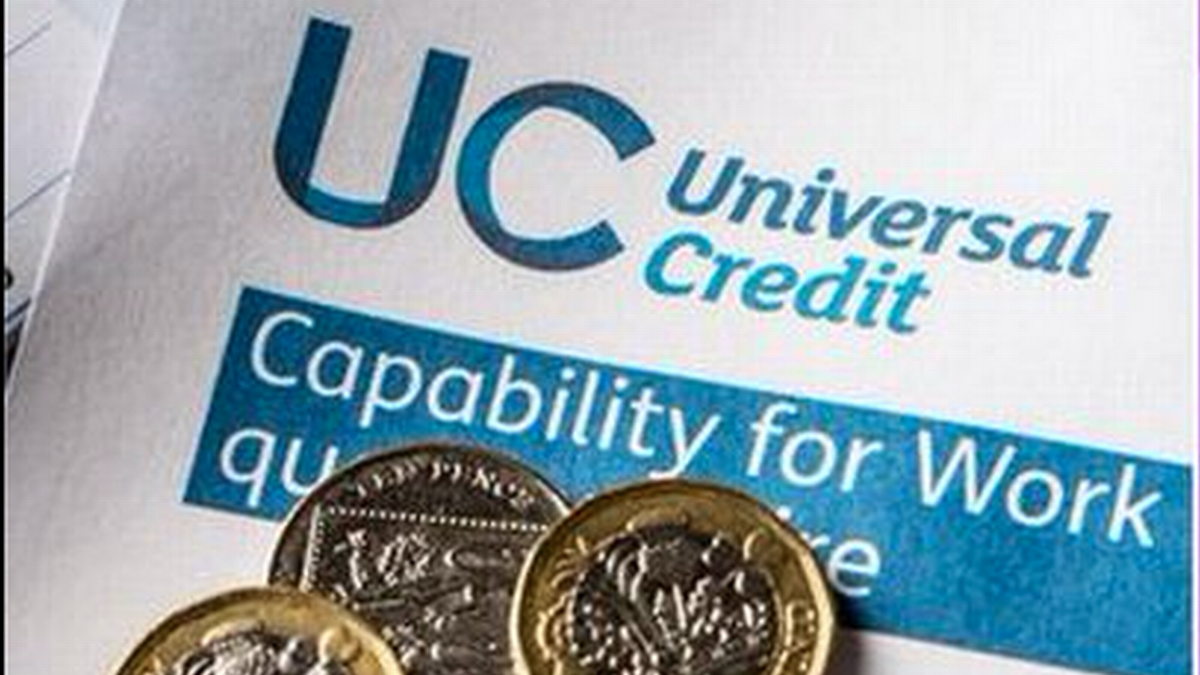
Universal Credit unclaimed benefits 2024/25 DWP estimates, Digi Mart USA News (Great Britain): Millions of households across Great Britain are being encouraged to check their eligibility for Universal Credit after new Department for Work and Pensions (DWP) figures revealed that up to 2.6 million families missed out on financial support worth an average of £4,700 a year.
The latest statistics estimate that up to £12.7 billion in income-related benefits went unclaimed during the 2024/25 financial year. The figures cover Universal Credit and equivalent legacy benefits, including tax credits, Income Support, income-related Employment and Support Allowance (ESA), income-based Jobseeker’s Allowance (JSA) and Housing Benefit for working-age claimants.
The DWP estimates that just 72 per cent of eligible families received the financial support they were entitled to, leaving more than one in four potentially missing out. The findings come after the UK Government completed the main programme of moving working-age claimants from older benefits to Universal Credit in March 2026.
The DWP has made clear that its latest estimates cover the period when the transition was still taking place, rather than Universal Credit alone.
The figures also show that families without children were less likely to receive the support they were entitled to. Around 65 per cent of eligible families without children received Universal Credit or equivalent benefits, compared with 81 per cent of those with children.
Take-up was particularly high among single parents, with 94 per cent of eligible single adults with children receiving support.
However, the rate was considerably lower among couples, with 60 per cent of couples with children and 55 per cent of couples without children receiving the benefits they were entitled to. The DWP publication identifies a lack of awareness about eligibility, complicated application processes and stigma as possible reasons people do not claim financial support.
People who are working, unemployed, caring for someone or unable to work because of a health condition may be entitled to Universal Credit, depending on their circumstances. Universal Credit is a monthly payment designed to help people on a low income or who are out of work.
It is available to people who meet the eligibility conditions, including those who are employed but whose earnings are not enough to cover their living costs.
To qualify, applicants usually need to live in the UK; be aged 18 or over, although exceptions apply to some 16 and 17-year-olds; be under State Pension age, although mixed-age couples may qualify; and have £16,000 or less in savings, money and investments. The amount someone receives depends on their income, savings, housing costs and household circumstances.
Additional payments may be available for children, caring responsibilities, housing costs or health conditions that affect someone’s ability to work. People can check the full eligibility rules on GOV.UK.
Universal Credit is made up of a standard monthly allowance, with additional amounts available depending on individual circumstances. The current standard monthly allowances for 2026/27 are: single person under 25, £338.58; single person aged 25 or over, £424.90; couple, both under 25, £528.34; and couple, one or both aged 25 or over, £666.97.
Additional elements can increase the amount paid, while earnings and other income can reduce an award.
The £4,700 annual figure in the latest DWP publication is an estimate of the average amount of support that went unclaimed during 2024/25. It is not a fixed Universal Credit payment or a guarantee of entitlement.
People who are unsure whether they qualify can use a free online benefits calculator before making a claim. These calculators take account of household income, savings, housing costs and personal circumstances to estimate potential entitlement.
Free calculators are available through Turn2us and entitledto.
People who have recently experienced a change in circumstances, including reduced working hours, redundancy, separation or increased housing costs, may find that their eligibility has changed. Most people can apply for Universal Credit online through GOV.UK.
Applicants will need to provide information about their identity, income, savings, housing costs and household circumstances. Couples who live together must usually make a joint claim, even if only one partner is working.
Universal Credit is normally paid monthly, with the first payment generally arriving around five weeks after a successful claim is submitted. People who need financial help while waiting for their first payment may be able to request an advance, although this normally has to be repaid through deductions from future payments.
The DWP also provides a Help to Claim service, delivered by Citizens Advice in England and Wales and Citizens Advice Scotland, to support people making a new Universal Credit claim.
The latest statistics mark the return of working-age income-related benefit take-up estimates, using a combined measure of Universal Credit and equivalent benefits during the transition from the previous system. The DWP estimates that 87 per cent of the total amount of available support was claimed during 2024/25, leaving up to £12.7 billion unclaimed.
Although the publication also includes estimates for the previous financial year, the department cautions against making direct comparisons because the population receiving Universal Credit and older benefits changed during the migration programme.
The figures cover Scotland, England and Wales and are based on estimated entitlement rather than individual benefit claims. Households can check whether they may qualify for additional support using the free calculators or the official Universal Credit guidance on GOV.UK.