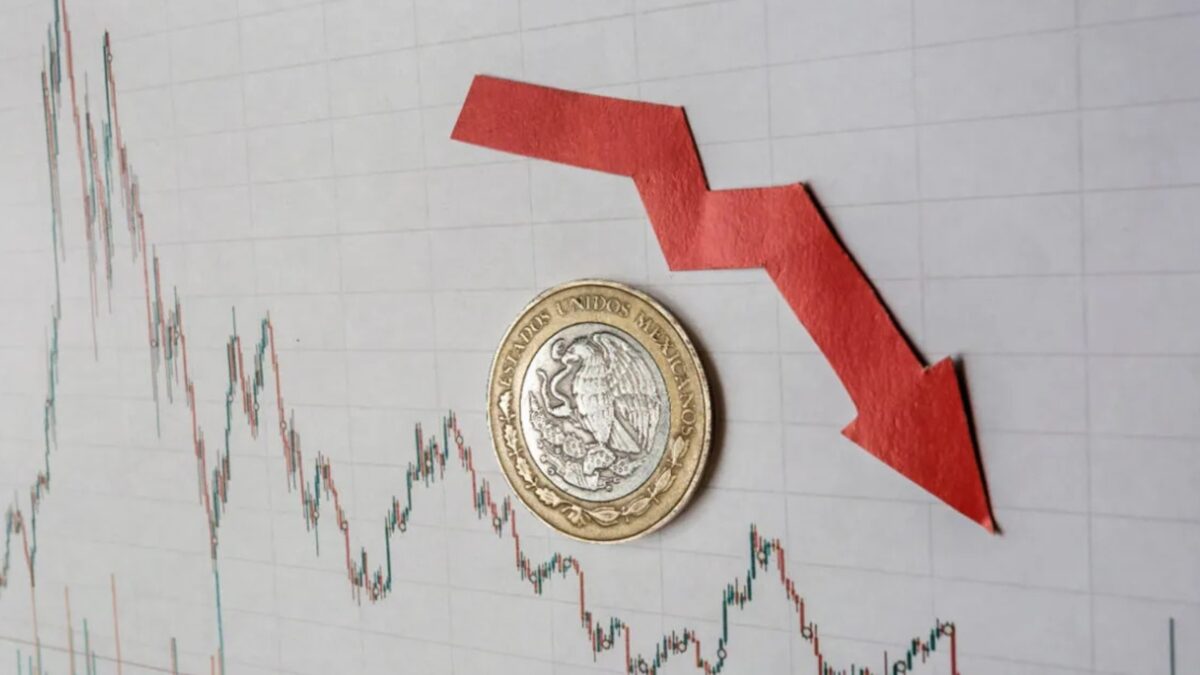
Mexico investment-grade rating risk, Digi Mart USA News (Mexico City): Mexico faces the risk of losing its investment-grade rating by mid-2028, a situation that would make credit more expensive for businesses and families and make access to housing and education more difficult, according to Mariana Campos, director general of México Evalúa. She spoke on Friday at the National Meeting of the Confederación Patronal de la República Mexicana (Coparmex).
Campos identified this possibility as the main macroeconomic risk facing the country over the next two years. She said fiscal pressures and the financial situation of Petróleos Mexicanos (Pemex) could affect Mexico’s credit assessment.
Mexico currently holds investment-grade ratings from all eight agencies that rate its sovereign debt, although some assessments show narrow margins. Moody’s and Fitch maintain ratings of Baa3 and BBB−, respectively, both with a stable outlook and positioned at the lowest rung of investment grade.
S&P Global assigns the country a BBB rating, two notches above the threshold of that category, but with a negative outlook. Campos explained that a loss of this status would raise the cost of government financing, with effects on companies and citizens.
“Capital for your business is going to be more expensive. Taking out a loan to scale your business is going to be more expensive,” she said.
She also warned that financing studies or buying a home would become more costly, while large companies and higher-income sectors would have alternatives to cope with those effects.
The specialist questioned Pemex’s dependence on government transfers and warned of a decline of more than 5% in income tax collection. She also pointed to stagnant tax revenue through August and called for a review of a fiscal policy centered on immediate revenue collection.
She proposed gradually reducing payroll taxes, strengthening the property tax and applying environmental levies on vehicles. Finally, she said it is necessary to use 2027 to advance reforms that favor investment, productivity and formal employment, along with greater certainty about the trade agreement among Mexico, the United States and Canada.