UK EU Brexit deal Made in Europe inclusion, Digi Mart USA News: Britain is on the cusp of a historic new deal with the European Union, as hopes rose among negotiators that the last big obstacle to an agreement can be removed. While final talks are likely to go down to the wire ahead of next Friday’s summit, European and UK sources said there was increasing optimism on both sides over the UK’s inclusion in the EU’s protectionist Made in Europe law.
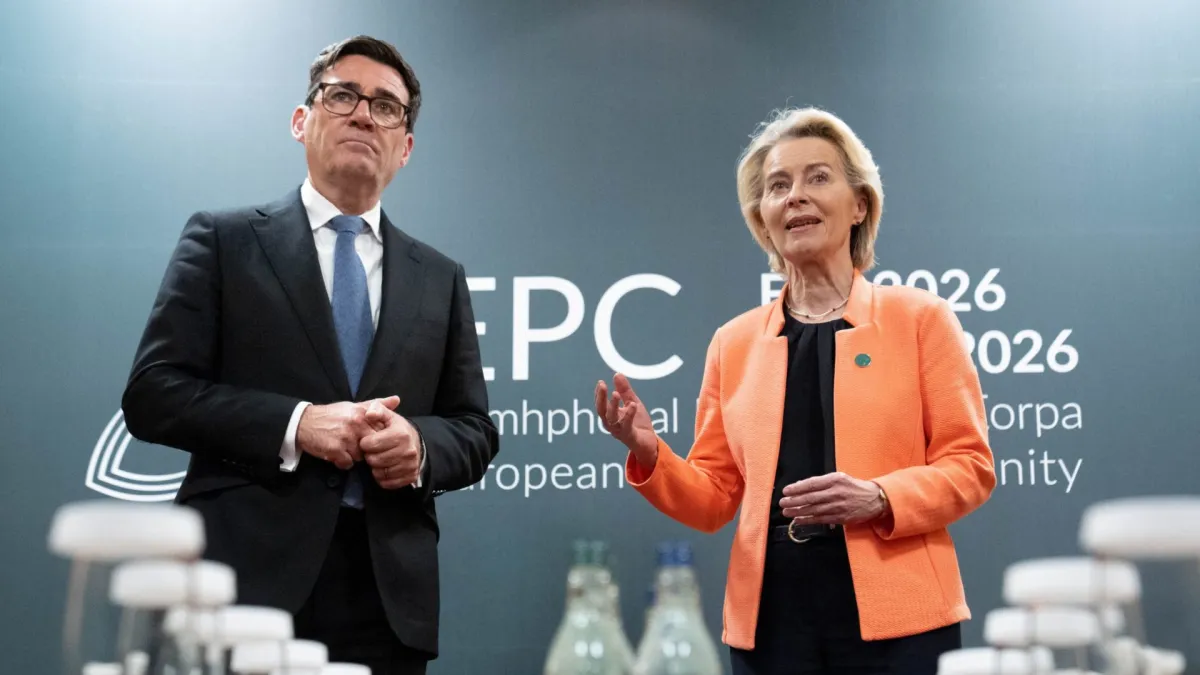
Prime Minister Andy Burnham has made this a priority, amid warnings that the law could badly damage the British economy by excluding industries such as carmaking from lucrative European contracts and subsidies. Made in Europe is a new law, yet to be enacted, designed to protect EU companies, mainly from China, by giving them priority in state contracts.
The issue has become a stumbling block. EU countries want cheaper tuition fees for their nationals who study at UK universities under the new deal, rather than the full international fees they pay now, and are insisting that agreements signed off next Friday are not implemented until a deal on fees is made.
The UK is believed to be using the fees issue as a bargaining chip for inclusion in the Made in Europe scheme.
A senior UK official involved in the negotiations reported encouraging signs of flexibility in Brussels on the protectionist policy. “I do think that we are making real progress on this stuff,” he said, arguing that Europe’s industrial supply chains were too closely intertwined to justify erecting fresh barriers.
“There is a real winning outcome for both sides. There is also obviously a big lose-lose possibility.” European companies themselves had been among the strongest advocates of keeping Britain involved, he added, particularly in the automotive sector.
In Brussels, officials stress that Made in Europe has been tailored to include the UK, although the final shape of the legislation could still take months to settle. “Britain is almost certain of inclusion,” said one EU diplomat.
“It already has provisions to allow the UK to take part. We want to include the UK in this, and we know how much it could mean to them.”
Another EU source said UK inclusion was all but guaranteed, as long as it follows through on an offer to lower tuition fees and agrees to Brussels’ demands to raise tariffs on Chinese electric vehicles (EVs) so that Britain does not become a “backdoor” to the European market the policy is designed to protect. A UK Government source said the deal is “95 per cent done.”
Negotiators are close to settling three agreements covering food trade, carbon emissions and youth experience for under-30s, raising hopes that Prime Minister Andy Burnham can emerge from the November 20 summit with a significant breakthrough in efforts to repair relations with Brussels. EU ambassadors met again on Wednesday to consider the draft joint declaration, and some member states are still pushing for the UK to commit now to lowering tuition fees for European students, rather than waiting six months for the issue to be discussed alongside Made in Europe.
Several EU governments are also insisting the three agreements should not take effect until the tuition fee question is settled, even if negotiations are concluded at the summit, a position not yet directly tested with UK negotiators. A new point of tension has also emerged over how much of a role the UK will have in shaping EU laws it would be required to adopt under the food trade deal, known as “dynamic alignment.”
The immediate challenge is to find wording acceptable to all 27 EU governments and London, allowing the summit to deliver a political breakthrough without pretending every outstanding issue has been resolved.