Tlalpujahua handmade Christmas ornaments, Digi Mart USA News (Tlalpujahua, Michoacán, Mexico): Driving two and a half hours from Mexico City to the village of handmade ornaments is one way to buy everything for a Christmas tree. Lovers of Christmas do not wait until December to start preparing for the holidays, and putting up the tree and decorating the home can become a full event focused on sharing and creating memories.
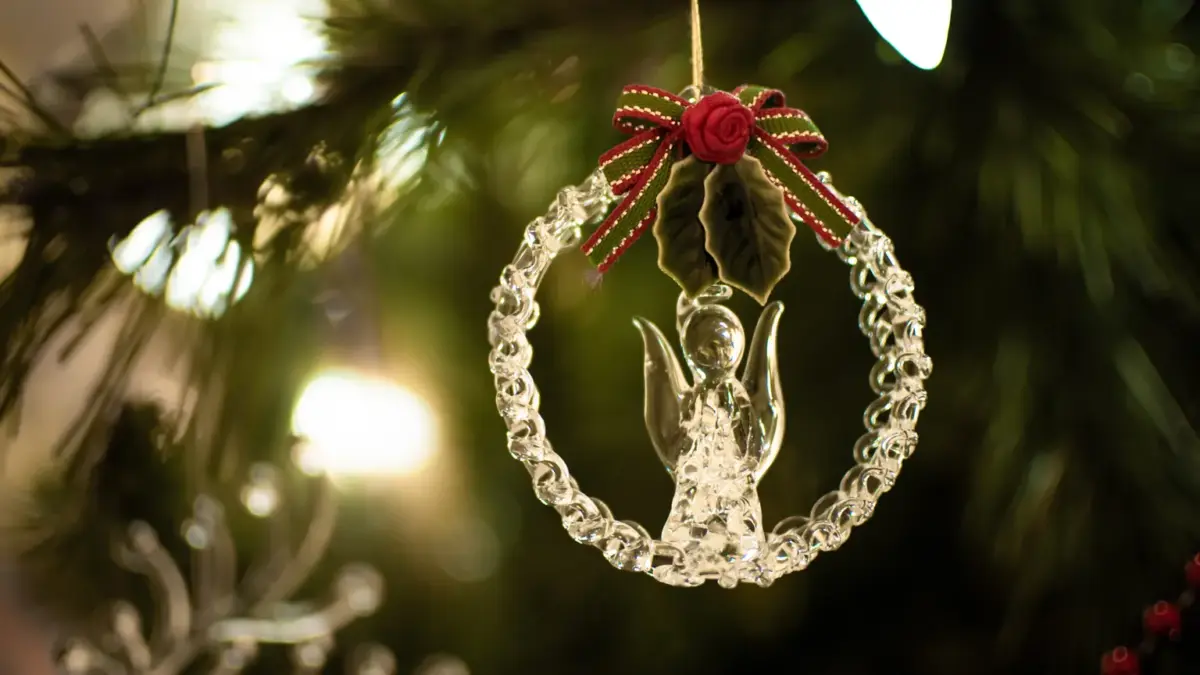
The author decided to replace the ornaments on the tree this year with pieces that carry more history and intention than those sold at Costco. The destination is Tlalpujahua, a town in Michoacán with more than 300 workshops where families make handmade ornaments from blown glass, ceramics, feather art and other techniques.
The town also resembles a Christmas village, making it an ideal getaway to start the holiday mood.
Located on Torbellino Street in the town center, the Taller de Santa Claus is probably the best-known handmade ornament shop in Tlalpujahua. It has been open since 1960, when Joaquín Muñoz Orta and his wife María Elena Ruíz de Muñoz began working with blown glass.
Today its catalog includes about 1,500 different models, all made in Mexico. Glass pieces remain the specialty, and the town’s most famous postcards come from its Santa Claus village, a replica of Rothenburg, Germany.
Every year Tlalpujahua hosts the Feria de la Esfera, where artisans from the town and surrounding areas sell Christmas products. This year it runs from October 7 to December 15 and includes more than 650 artisans.
It is a good option for buying a wide range of seasonal ornaments at different price levels, and a chance to buy directly from the artisans while enjoying the festive atmosphere.
At the town entrance, about a 10-minute walk from the center at Avenida Trigueros 1, another shop has more than 40 years of tradition in Tlalpujahua. It is another good place to buy handmade blown-glass ornaments.
Besides traditional spheres, it offers figure-shaped ornaments and other holiday decorations. Its most emblematic model is the medallion, a round, flat piece hand-painted with scenes such as the nativity.
When buying handmade products, a common doubt is how to tell whether an item is truly handmade or factory-made. Artisan José Abel Castillo Martínez, who has worked with blown glass for more than 50 years, says to look at the small tip, or rim, that forms at the base, which is left after blowing and differs from machine-made pieces.
He also explains that in an eight-hour day an artisan can blow between 1,000 and 1,300 simple round spheres. For larger or more complex shapes, the number can drop to 100 or 120, and that figure counts only the blowing, not the time spent decorating each sphere.