Museo Kaluz Explores Symbolism and Art Nouveau in Mexico, Digi Mart USA News (Mexico City): The Museo Kaluz in Mexico City is presenting El arte nuevo. Simbolismo y Art Nouveau en México, an exhibition that explores how these artistic movements, which transformed visual culture at the end of the 19th and beginning of the 20th centuries, found their own expressions in Mexico.
The show spans painting, decorative arts and architecture.
The exhibition brings together works from more than 40 public and private collections, the result of research that included a review of more than 60 archives. This process made it possible to recover little-known and previously unpublished pieces, including paintings, illustrations, period publications, historical documents and decorative objects.
The itinerary creates a dialogue between Mexican artists such as Julio Ruelas, Roberto Montenegro, Saturnino Herrán, Alfredo Ramos Martínez, Adolfo Best Maugard and Ángel Zárraga, and international creators including Aubrey Beardsley and Edward Burne-Jones. It traces the many forms modernism took and how these currents adapted to the Mexican context.
Art Nouveau emerged at the end of the 19th century and spread across countries under names such as Jugendstil in Germany and Modern Style in the United Kingdom. Although it took many forms, it shared an interest in nature, ornamental lines and the integration of art into everyday life.
Symbolism, for its part, opened new ways to represent dreams, emotions, spirituality and the meanings hidden behind images.
In Mexico, both currents found an important place in editorial illustration, books, magazines, advertising, decorative objects and architecture. The exhibition shows how artists, writers and illustrators incorporated these influences and developed a visual language of their own.
One theme the show addresses is the influence of Japanese art on modernism. Through prints, publications and materials related to Katsushika Hokusai, it shows the connections between Eastern and Western artistic traditions and their influence on Mexican creators such as Adolfo Best Maugard.
The exhibition also explores the representation of the female figure, a recurring subject in the art of the period. Characters such as Salomé, Judith and Circe appear in various works as symbols of sensuality, mystery and transformation.
Among the dialogues presented are Aubrey Beardsley’s illustrations for Oscar Wilde’s Salomé and the work of Roberto Montenegro.
The show also dedicates a section to print culture and its role in spreading Art Nouveau and Symbolism in Mexico. Publications such as Revista Moderna, El mundo ilustrado, Azul and El demócrata ilustrado show how illustration gained greater importance in building a new visual sensibility.
Additional materials include first editions, decorative arts albums, drawing manuals and objects related to early 20th-century design. Among them are pieces by Mexican illustrators Armando García Núñez and Luis Serrano, as well as documents linked to Casa Requena.
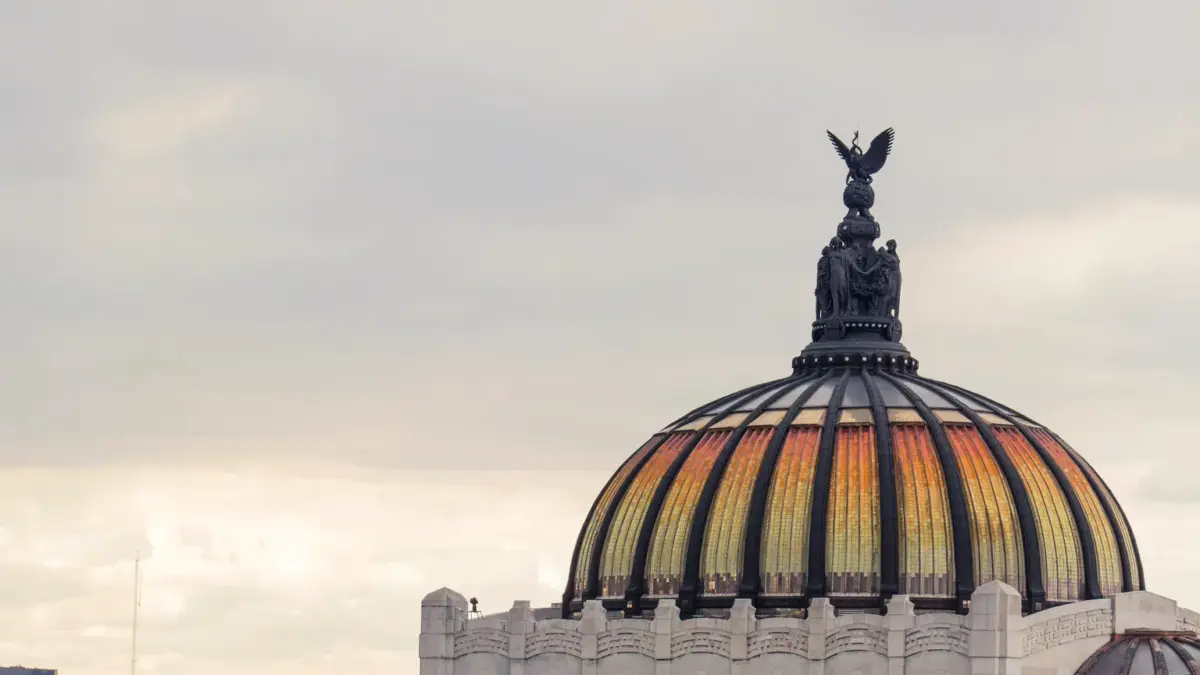
Architecture is another axis of the exhibition. During the Porfiriato, Art Nouveau transformed the image of Mexico City through facades, ironwork, stained glass and interiors with ornamental elements that can still be recognized in various buildings in the capital.
An interactive model will allow visitors to identify examples of Art Nouveau architecture in different neighborhoods of the city.
The exhibition further examines how these movements continued to influence the second half of the 20th century through artists such as José García Ocejo, Pedro Friedeberg, Xavier Esqueda, Arturo Souto and Gilberto Aceves Navarro, who revisited and transformed some of their visual elements.
As part of its public program, the Museo Kaluz will host activities to discover traces of Art Nouveau in Mexico City. These include architectural tours of the Centro Histórico and the Roma and Juárez neighborhoods, with guided walks, bicycle tours and meetings with specialists in architecture, history and urban heritage.
Lectures and workshops are also planned, along with a new season of the podcast La voz del Kaluz, featuring eight episodes that expand on the exhibition’s themes.
The show includes a video essay by Luis Villalobos on the relationships among the different artistic disciplines linked to Art Nouveau. It is presented alongside Alphonse Mucha.
La magia de la línea, a separate exhibition at the museum dedicated to the Czech artist, one of the most representative figures of Art Nouveau.
The exhibition runs from October 30, 2026 to March 8, 2027. The Museo Kaluz is located on Avenida Hidalgo in the Centro Histórico of Mexico City, near Metro Hidalgo and opposite the Alameda Central.