Electric trucks vs. biofuels for Mexico’s freight decarbonization, Digi Mart USA News (Mexico): The best option for decarbonizing freight transport in Mexico depends on the route and the timing of a truck’s replacement. Electrification offers advantages for predictable operations with assured recharging, while biofuels can reduce fossil diesel use in existing units, provided they are compatible and have verifiable supply.
According to the Sectoral Infrastructure, Communications and Transportation Program 2025-2030, roads moved 572 million tons in 2024, equivalent to 58.3% of national freight. The motor vehicles of federal cargo trucking had an average age of 19.3 years.
That age makes it necessary to consider both incorporating new units and alternatives to reduce fossil fuel use in the existing fleet.
Costs and challenges of electric trucks in Mexico
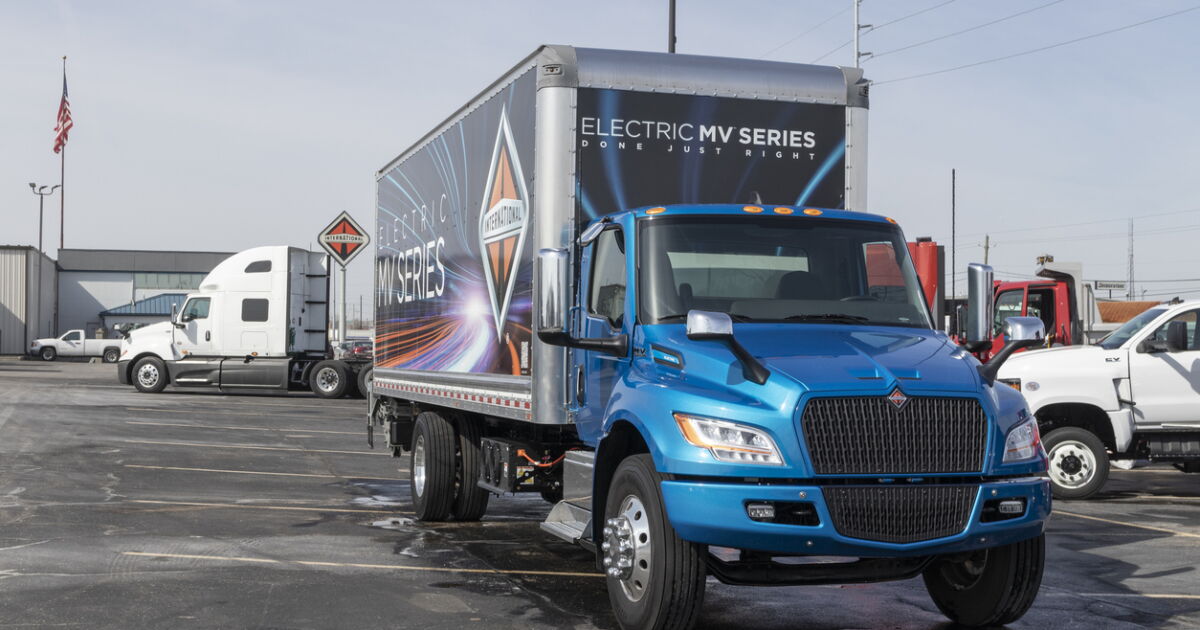
The international market shows that electrification is gaining ground, although it still faces an entry barrier. According to the International Energy Agency’s (IEA) Global EV Outlook 2026, electric trucks accounted for 9% of global sales in 2025, and their purchase price remains two to three times that of diesel models.
For carriers in Mexico, that price difference is only part of the equation. They must evaluate not only the vehicle purchase, but also financing costs, charger installation, electrical adjustments and energy consumption, as well as the time the unit will remain idle while recharging.
According to the IEA’s analysis of heavy trucks, profitability also depends on daily kilometers driven, the weight of the cargo and infrastructure use. If one charger serves several units, its cost is spread across more trips, which can improve investment viability as long as routes are predictable and units return to a base to recharge.
For long routes, the evaluation must incorporate the effective availability of compatible chargers. The IEA counted around 4,000 public charging points in Mexico in 2025 within its light-vehicle analysis; that figure does not equate to a network enabled for tractor-trailers, which require adequate power, connectors and maneuvering space.
Another point to consider is the electricity used, which also forms part of the environmental footprint. According to the Energy Sectoral Program 2025-2030, based on information from Sener, only 24% of generation came from clean energy.
How biofuels work
Biofuels allow part of fossil fuel to be replaced with energy obtained from organic matter. For trucks with diesel engines, options include fuels made from vegetable oils, animal fats and used cooking oil.
These raw materials undergo industrial processes that modify their composition so they can be used in the engine.
Biodiesel is obtained through a chemical reaction that transforms oils and fats into fuel, generating glycerin as a co-product. According to the U.S.
Department of Energy, it is usually blended with diesel in different proportions. This allows existing engines to be used, although the permissible proportion depends on each vehicle type and is not the same for all.
Renewable diesel produced by hydrotreating, known as HVO, uses hydrogen to transform these raw materials into a fuel chemically similar to petroleum diesel. That difference allows it to be used pure or blended with fossil fuel in compatible engines.
Both alternatives are burned inside the engine to produce motion and still emit carbon dioxide through the exhaust. Their possible climate advantage, according to the U.S.
Department of Energy, is determined by accounting for emissions across the entire chain, from raw material sourcing to consumption.
In Mexico, the Regulation of the Biofuels Law, published on October 3, 2025, establishes responsibilities to preserve product characteristics during distribution and marketing. It also prohibits converting forest land to agricultural use and expanding the agricultural frontier to produce biomass for these fuels, and requires reporting types, origin and volumes marketed.
For that reason, the invoice for a fuel labeled as renewable does not by itself demonstrate how much it reduces transport’s footprint. The calculation must consider whether it comes from waste or crops, the energy used to produce it, transport distances and the proportion blended with fossil diesel.
A blend with 20% biodiesel does not automatically equal a 20% emissions reduction. For Mexican fleets, its usefulness as a transition alternative depends on verifying that benefit and having sufficient supply to sustain it during operations.
For now, in Mexico, electric trucks may be the better option for routes that return to the same point and have places to recharge. Biofuels can help reduce emissions in vehicles that will not yet be replaced and on routes without sufficient chargers, provided the engine allows their use.
To choose, each company should compare how much it costs and how much it pollutes to move the same load on each route.