Democratic Wave implications for Mexico, Digi Mart USA News (El Financiero, Mexico): Voters have turned out and cast their ballots to punish a president who, according to the column, is far from fulfilling his campaign promises and is clearly disconnected from public sentiment. While citizens demand affordable fuel and basic goods, the White House occupant remains focused on building monuments, including a towering triumphal arch and a large ballroom at the White House.
To underscore that disconnect, the column notes that his last campaign event was held at the reflecting pool in front of the Lincoln Memorial. Repairs to the pool have become a subject of public ridicule, as the contractor hired without a competitive bid has reportedly been unable to fix it for months.
The author writes that Trump, who as a 2024 candidate had shown strong sensitivity to voter demands, has completely forgotten the electoral goddess: public opinion. He describes the president as a victim of his own accumulation of power, with no one contradicting him and advisers who flatter him.
The column states that voters were urged repeatedly to put him on the ballot, and that they did so and rejected him. The electoral setback, the author argues, suggests the end of the Trump-era tunnel, which he says has tested democracy as perhaps no other president in the young nation’s history has.
Still, the author cautions that neither the world nor Mexico should celebrate victory yet. He notes that the president is likely to shift his focus to the international stage, where the Democratic-controlled House could affect policy on the Iran war and on Russia, while China will remain a central strategic concern.
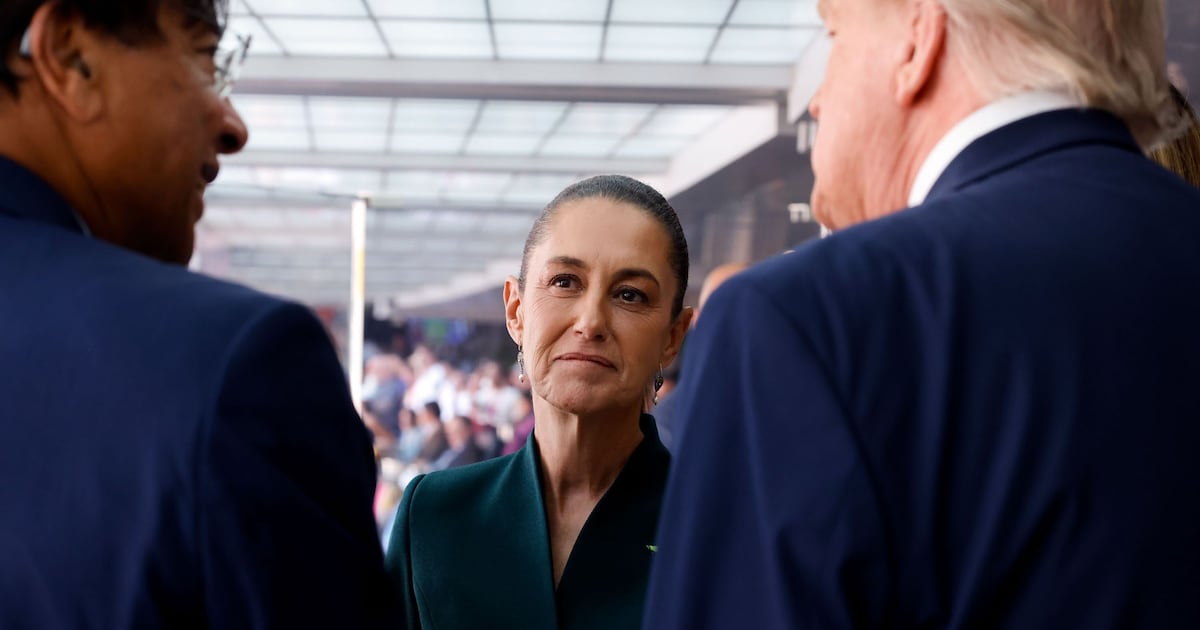
On bilateral issues, the column says the temptation for the president to take a harder line against a Mexican cartel will be stronger than ever. On migration and tariffs, however, the author expects Democrats in Congress to have limited effectiveness, noting that extraordinary funding for ICE and the Border Patrol has already been approved through 2029, and that the USMCA review is unlikely to be a Democratic priority.
The column identifies a new opportunity at the state and local levels. It notes that Texas and California, the two border states that account for half of bilateral trade and migration, will be governed by Mexican Americans, Gina Hinojosa and Xavier Becerra.
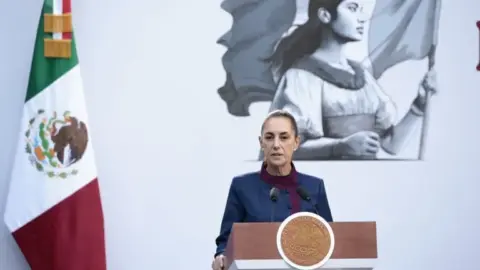
The author urges President Sheinbaum to decentralize diplomacy by engaging directly with both governors, inviting them to Mexico, and ensuring that Mexican consulates in Austin and Sacramento are equipped to seize the opportunity.
The author concludes that federalism is stronger in the United States than in Mexico, and that building cooperation with state authorities on migration, trade and border management could help transform the relationship from one of threats and pressure into one of respectful, strategic partnership. He adds that Mexico must adapt without delay to the new political landscape across the border.