France public building electrification ACTEE program budget cut, Digi Mart USA News (France): France wants to accelerate the electrification of its public buildings, notably schools, gymnasiums and municipal facilities, but the ACTEE program could see its budget divided by five. The paradox threatens the energy savings promised to local authorities.
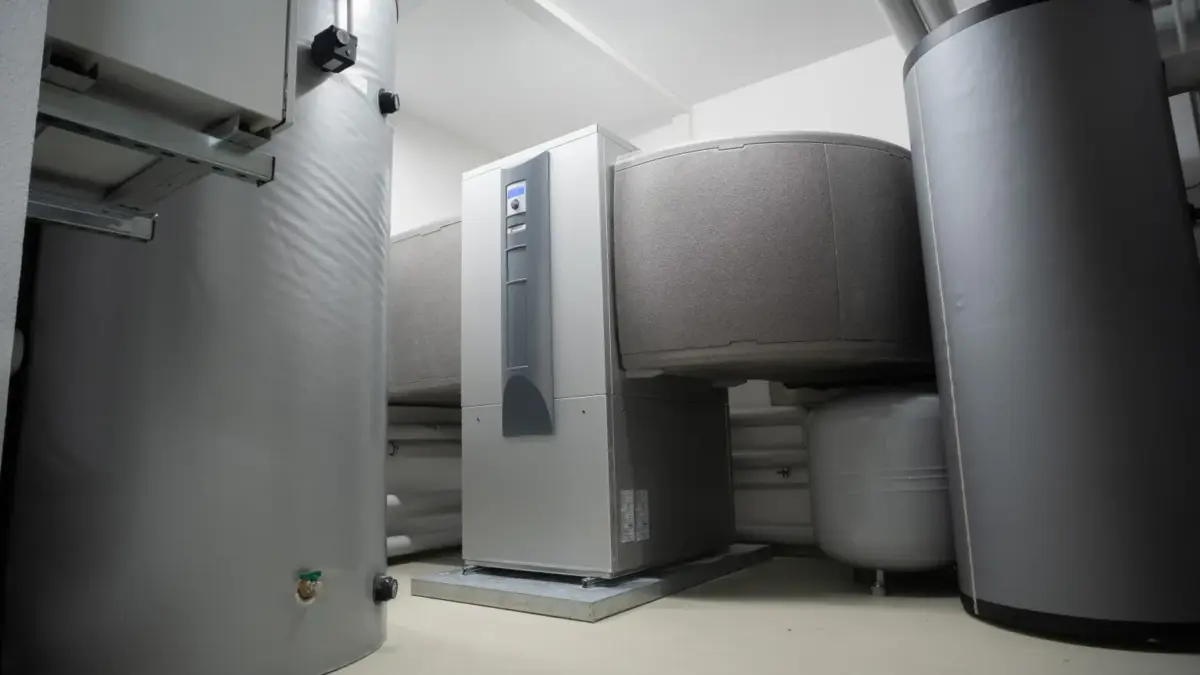
The goal is to gradually replace old gas and fuel-oil boilers with heat pumps, which are considerably cheaper to operate. Before work can begin, however, decision-makers must determine which equipment to install and in which buildings.
That is the role of the ACTEE program (Action of Local Authorities for Energy Efficiency), which funds the preliminary energy studies for these investments.
Some heat pump models are also reversible, producing heat in winter and cooling buildings in summer. This matters for schools, some of which had to close for several days during recent heat waves because classroom temperatures became unbearable.
The government has stated its intention to accelerate the installation of reversible air conditioning in schools.
However, while the official objectives remain unchanged, the financial resources may no longer keep pace. In the draft 2027 budget, the ACTEE program is still listed among the mechanisms meant to support the energy transition of local authorities.
Yet of the 54 million euros initially planned to fund studies, only 10 million euros would remain, a drastic reduction that could significantly slow energy renovation projects in public buildings.
The consequences would be immediate: while 12,500 schools were expected to receive a preliminary energy study before equipment upgrades, only 2,500 could ultimately be supported, five times fewer than planned. The source describes this budget choice as paradoxical, given that replacing old gas and fuel-oil boilers could save several hundred million euros each year, not counting the need to adapt public buildings to more frequent heat episodes.
By reducing funding for preliminary studies, the state risks delaying investments that could durably reduce public spending.