SAHRC school conditions report, Digimart Global (South Africa): Thousands of pupils across South Africa continue to face overcrowded classrooms, broken toilets, shortages of teachers and unsafe school buildings, with some pupils even sharing desks as they try to get an education, according to the South African Human Rights Commission’s (SAHRC) 2026 State of Schools Report.
The report found that many problems identified in previous years remain unresolved despite repeated calls for government intervention. The commission visited 173 public schools across all nine provinces during the first quarter of 2026 to assess conditions affecting pupils’ right to basic education.
Overcrowding and unsafe facilities
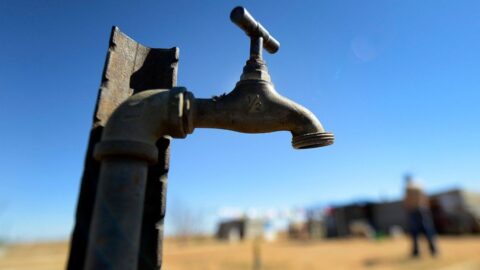
Findings included ageing and damaged buildings, inadequate sanitation, shortages of desks and chairs, unreliable water supplies and insufficient security. At Sedimosang Primary School in Gauteng, grade 1 and grade 4 classrooms had more than 52 learners each, with some pupils sharing desks.
At Isiqalo Primary School in Rand West City, 1,250 learners were served by only 13 working toilets for boys and 16 for girls, with five more out of order, and grade 1 and 2 classrooms were built with asbestos, which the commission identified as a health and safety risk.
The commission identified deteriorating infrastructure and overcrowding in all nine provinces, while shortages of teachers and furniture were reported in eight provinces. Water and sanitation problems were recorded in eight provinces, and delays in assessing and placing pupils with special educational needs in seven.
Limpopo and special schools
The situation in Limpopo was among the most concerning, with some classrooms accommodating between 70 and more than 100 pupils. At Adolf Mhinga Secondary School, a grade 8 class had 101 pupils, and the school reported that it had requested five mobile classrooms in 2022 without a response.
Special schools also struggled to provide support for learners with disabilities, with Mzamomhle Special School in the Eastern Cape reporting it lacked key professional support staff, including a social worker, occupational therapist and nurse.
The report also raised concerns about delays in support for children who need additional learning help. In the Eastern Cape some referrals took up to three years, while delays of six months to a year were reported in Gauteng.
Commission response
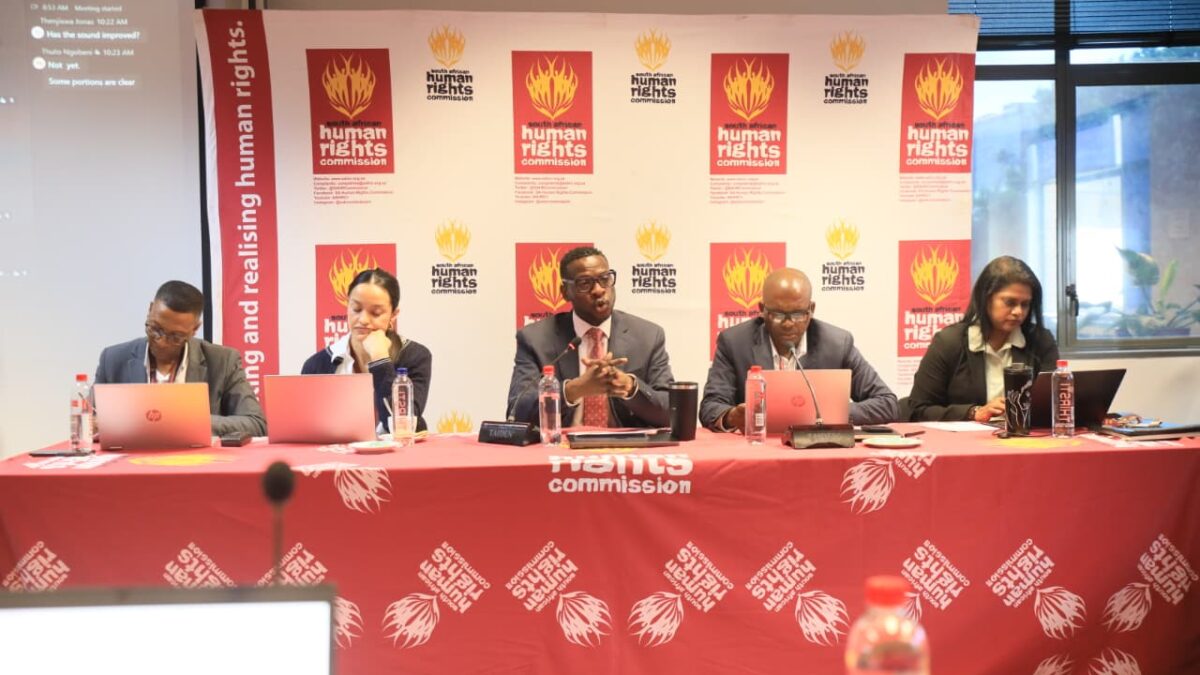
SAHRC commissioner Tshepo Madlingozi said the repeated findings raised questions about whether earlier recommendations had led to meaningful improvements, stating that these conditions compromise the quality of education as well as learners’ rights to dignity, equality, health and safety. The commission acknowledged that some schools were performing well but said such improvements must be experienced by all pupils.
The commission has called on the national department of basic education and provincial education departments to take urgent steps. Recommendations include a national infrastructure audit, additional classrooms and furniture, filling vacant teaching posts, and better coordination between government departments.
The national department has been asked to submit a detailed response within 60 days, and provincial departments have been asked to submit annual service improvement plans by February 26 2027. The commission said it would continue monitoring progress and could take legal action where necessary.