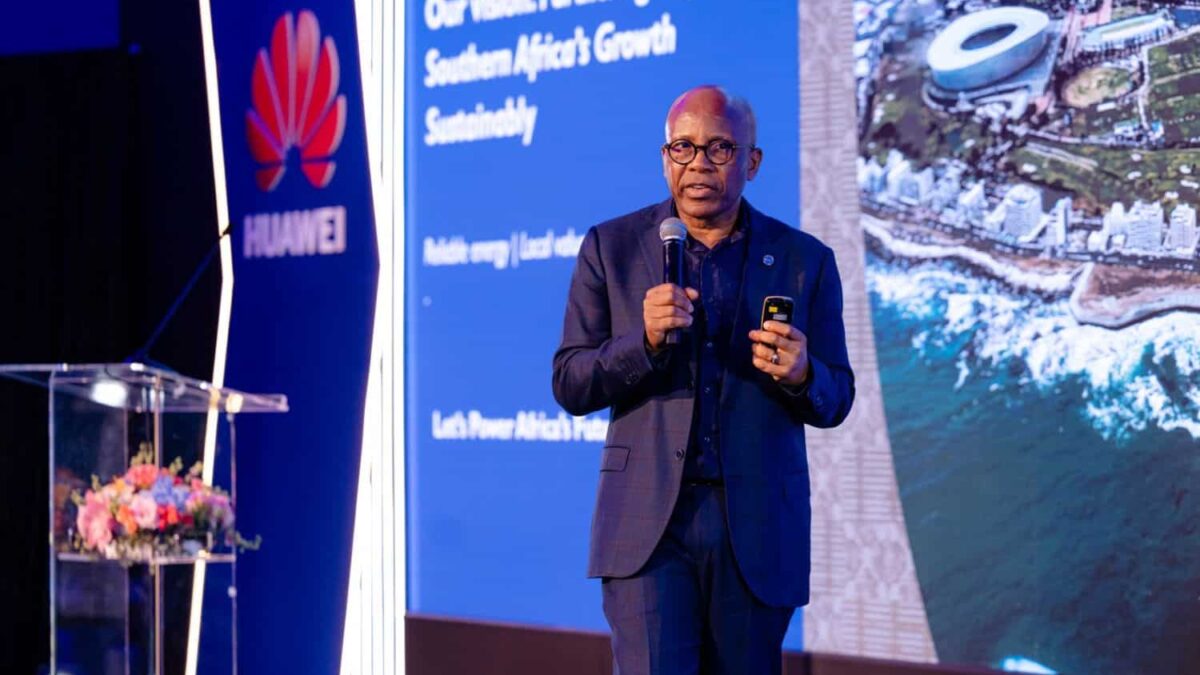
Africa broadband AI infrastructure, Digimart Global (Cape Town, South Africa): Africa’s ambitions to compete in the global artificial intelligence race could be undermined by unreliable broadband infrastructure, according to industry leaders speaking at the WBBA Broadband Development Congress Africa 2026 in Cape Town. Their concerns about network resilience overshadowed optimism about the continent’s AI future.
Huawei Vice President Yongqiang Yuan highlighted the vulnerability of networks that remain heavily dependent on limited routes and infrastructure. Quoting him, the publisher reports: “Africa records more than 100,000 fibre cuts a year, and every dollar invested in network resilience saves five dollars in losses.”
Industry leaders argued that many African countries remain exposed to outages because internet traffic is often routed through a handful of fibre links. When disruptions occur, businesses and consumers can be left vulnerable, and a single fibre cut can still leave entire countries disconnected from the internet.
Calls for a continent-wide backbone
Openserve executive Amu Maja called for a continent-wide terrestrial fibre backbone that would allow countries to exchange data directly rather than relying on indirect international routes. “There’s no reason why a data centre in Nigeria cannot connect to a data centre in Ghana directly,” Maja said.
Local AI and energy opportunities
African governments and businesses increasingly look to AI as a driver of economic growth, but speakers cautioned that advanced technologies depend on reliable digital infrastructure. Cassava Technologies South Africa and Botswana CEO Ziaad Suleman said Africa must develop AI tools that reflect local realities rather than depend entirely on imported models.
The discussions also pointed to opportunities for expansion. Eskom chairman Dr Mteto Nyati said South Africa currently has surplus electricity available to support energy-intensive industries, including data centres.
Access and affordability remain the priority
Speakers repeatedly returned to a more immediate challenge: access and affordability. Openserve’s Dr Sunil Piyarlall said, “Intelligence is only as valuable as the connection that carries it.
In many parts of Africa, the immediate priority is still a dependable connection at a price people can afford.”
While investment in fibre, data centres and AI continues to grow, delegates agreed that Africa’s digital future will depend on closing the connectivity gaps that continue to leave millions vulnerable to network disruptions.