
South Korea AI cheating crackdown, Digimart Global: South Korea deployed a series of extreme anti-cheating measures during its high-stakes Suneung college entrance exam, which about half a million students sat this week. The measures were introduced after a recent testing scandal raised fears that artificial intelligence was being used to cheat.
The scandal followed a revelation on Sunday that the top scorer in this year’s national tax accountant examination had used a miniature camera and smartphone to obtain AI-generated answers, achieving a near-perfect mark. The case fuelled suspicions that other high-stakes exams, including law school admissions and professional licensing tests, may also have been compromised.
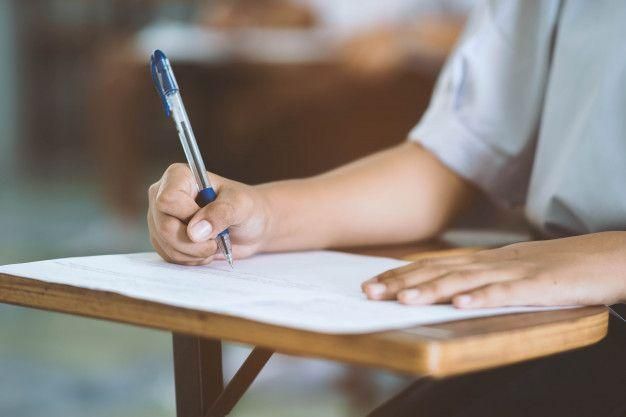
In response, authorities cut wifi around exam halls, doubled the number of supervisors and sent random emergency alerts to detect smartphones illegally smuggled into test centres. Students were told to bring only pencils, with erasers provided by the centres to reduce the chance of concealed devices disguised as stationery.
Exam-takers were also asked to avoid clothes with buttons. Students who did not comply would have stickers placed over their buttons to prevent the use of hidden cameras, according to the report.
Rewards and tougher penalties
President Lee Jae Myung wrote on X that he had instructed officials to consider additional measures to encourage whistleblowers to report exam cheating, including rewards of at least 100 million won (about R1,3 million). He said the rewards could rise depending on the number of offenders involved.
Participants in cheating schemes who report their accomplices could also face reduced penalties.
Under the tightened measures, students caught cheating could be barred from retaking the exam for 10 years and face criminal prosecution. Students already enrolled at universities who re-sit the exam could also be expelled if caught cheating, officials said.
Court rejects challenge
A high school student had filed a constitutional petition challenging the government’s decision to proceed with the exam as planned. A South Korean court on Wednesday rejected the request, citing insufficient evidence of irreparable harm.
The Suneung is a nine-hour exam held once a year and widely seen as a route to prestigious universities and well-paid jobs. On exam day, much of the country slows down: flights were temporarily halted during the English listening section, many offices opened an hour later than usual, and stock trading was delayed by an hour.
Parents traditionally escort their children to exam centres, while many visit Buddhist temples and churches to pray for their success.