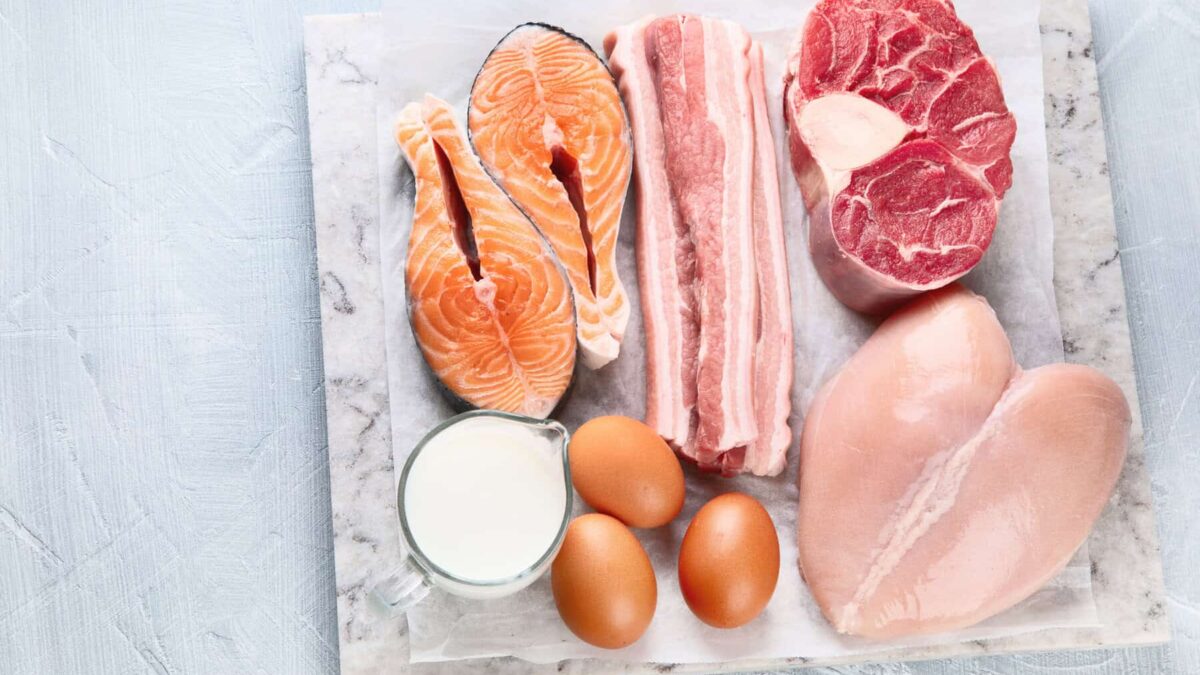
protein for women recovery, Digimart Global (South Africa): Protein is often linked to building muscle and improving athletic performance, but one of its most important roles comes after physical activity, when the body needs to repair and rebuild itself. For women between the ages of 30 and 60, getting enough protein becomes increasingly important as hormonal changes and natural ageing affect muscle mass, strength and bone health.
Pick n Pay dietitian Juliet Fearnhead, who has worked closely with the Springboks’ dietitian, said protein provides the amino acids the body needs to repair muscle fibres, maintain lean muscle and adapt to physical activity. She said protein also supports the body’s everyday repair processes and promotes satiety, helping people feel fuller for longer between meals.
Why the years before and after menopause matter
Muscle mass can gradually begin to decline from the age of 30, which makes the years before menopause an important window for women to build and maintain strength. During perimenopause, fluctuating hormone levels and the eventual decline in oestrogen can contribute to changes in body composition, muscle function and bone density.
After menopause, preserving muscle becomes especially important for mobility, balance and independence. The article notes that this is also relevant for people using GLP-1 medications, which can cause some loss of lean body mass alongside much larger reductions in body fat.
Across clinical studies cited in the source, lean mass typically makes up about 25% to 40% of total weight lost, meaning roughly 60% to 75% of the weight lost is fat.
How much protein is recommended
According to the Mayo Clinic, the general recommended daily protein allowance for sedentary adults is 0.8g per kilogram of body weight, although requirements may increase with age and physical activity. For a postmenopausal woman weighing 70kg, this translates to approximately 70g to 84g of protein per day.
The source suggests spreading protein across the day rather than eating most of it at dinner may support muscle maintenance and recovery.
Individual requirements vary, and women with kidney disease or other conditions affecting their nutritional needs should seek professional dietary advice. Protein also contributes to bone health, but it should form part of a diet that provides sufficient calcium and vitamin D.
Choosing protein sources
The source states that both chicken and beef provide all nine essential amino acids, including leucine, which helps stimulate muscle protein synthesis. Lean chicken generally contains less saturated fat than fattier cuts of beef, while beef provides readily absorbed iron, which is particularly valuable for women who are still menstruating.
Fish, eggs, dairy products and plant-based foods such as beans, lentils and soya can also contribute to daily protein requirements.
Registered dietitian Mbali Mapholi, speaking in a statement issued by Momentum Multiply, said many traditional South African foods already offer considerable nutritional value without the price tag associated with trendy health foods. She advised that healthy eating does not require overhauling everything at once, suggesting people start with one change, such as adding more beans or eating more greens, and build from there.
The article concludes that healthy ageing and recovery require more than protein alone. Carbohydrates, healthy fats, adequate hydration, quality sleep and regular exercise also play a role, and for most women a varied, food-first approach remains a practical way to meet nutritional needs without relying on expensive protein powders and supplements.