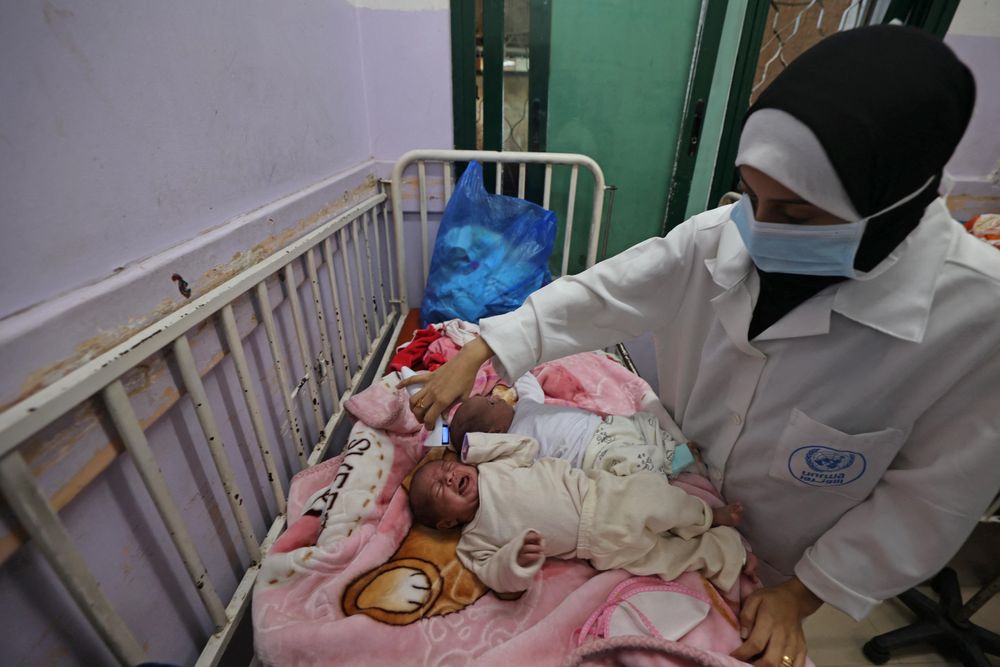
Gaza meningitis cases, Digimart Global (Gaza Strip): As thousands of Palestinians continue to die from starvation and Israeli air strikes, children and infants in Gaza are facing another life-threatening danger: a sharp rise in meningitis cases, according to the Gaza Ministry of Health.
In a statement released on Tuesday, the ministry warned that the Gaza Strip is facing an “epidemiological risk” after recording a significant increase in both viral and bacterial meningitis. Its figures show 272 cases of viral meningitis in October alone, more than eight times the normal monthly baseline, while 108 bacterial meningitis cases were recorded in the same month and a further 100 bacterial cases have been reported since the beginning of November.
What meningitis is and why it is dangerous
Meningitis is an inflammation of the meninges, the protective membranes surrounding the brain and spinal cord. It can be caused by viruses, bacteria and other organisms, and bacterial meningitis is generally the more dangerous form.
The World Health Organization estimates that one in six people who contract bacterial meningitis die, while one in five survivors experience severe complications such as hearing loss, seizures, brain damage and learning difficulties.
Early symptoms can resemble flu or other common infections. The ministry’s warning comes as the illness is particularly concerning for babies and young children, whose neurological development, hearing and learning can be seriously affected.
Conditions the ministry says are fuelling the spread
The Ministry of Health says overcrowded displacement shelters, contaminated water, damaged sanitation infrastructure and limited access to medical supplies are creating conditions that favour the spread of infections. It said the rainy season has caused sewage to flood shelters and densely populated areas, while shortages of clean drinking water, declining hygiene and a lack of laboratory supplies and essential medicines are placing heavy strain on hospitals and paediatric departments.
Laboratories in Gaza have identified Enterovirus as the causative agent for viral meningitis, a pathogen the ministry says is closely linked to environmental deterioration. However, the ministry said that without genotyping tests it cannot determine with certainty whether the cases across the governorates are epidemiologically linked or stem from the same strain.
Bacterial cases are being managed under isolation, treatment and prophylaxis protocols for patients and their contacts.
Calls for international action
The ministry attributed the surge to the systematic destruction of infrastructure and harsh living conditions, and held Israeli occupation authorities responsible for the epidemiological alert, citing the targeting of water and sanitation infrastructure and restrictions on spare parts, maintenance and disinfection materials and fuel. These claims are the ministry’s own and have not been independently verified.
The ministry called on the World Health Organization, UNICEF and other health partners to activate an emergency response plan, including laboratory and diagnostic supplies, genotyping of specimens, life-saving antibiotics and safe isolation rooms. It also urged residents to wash hands regularly, use safe drinking water, ventilate living spaces and seek immediate medical care for concerning symptoms in children or adults.