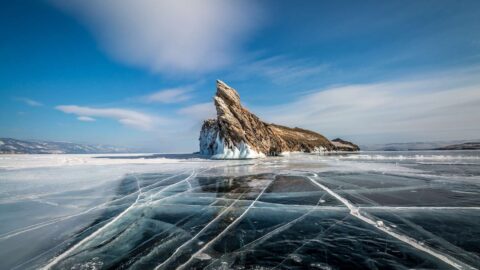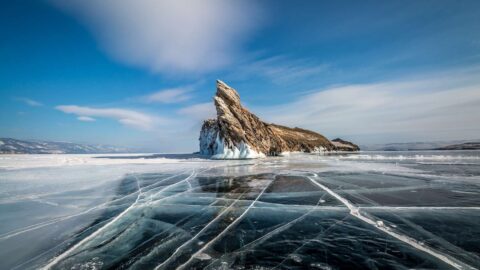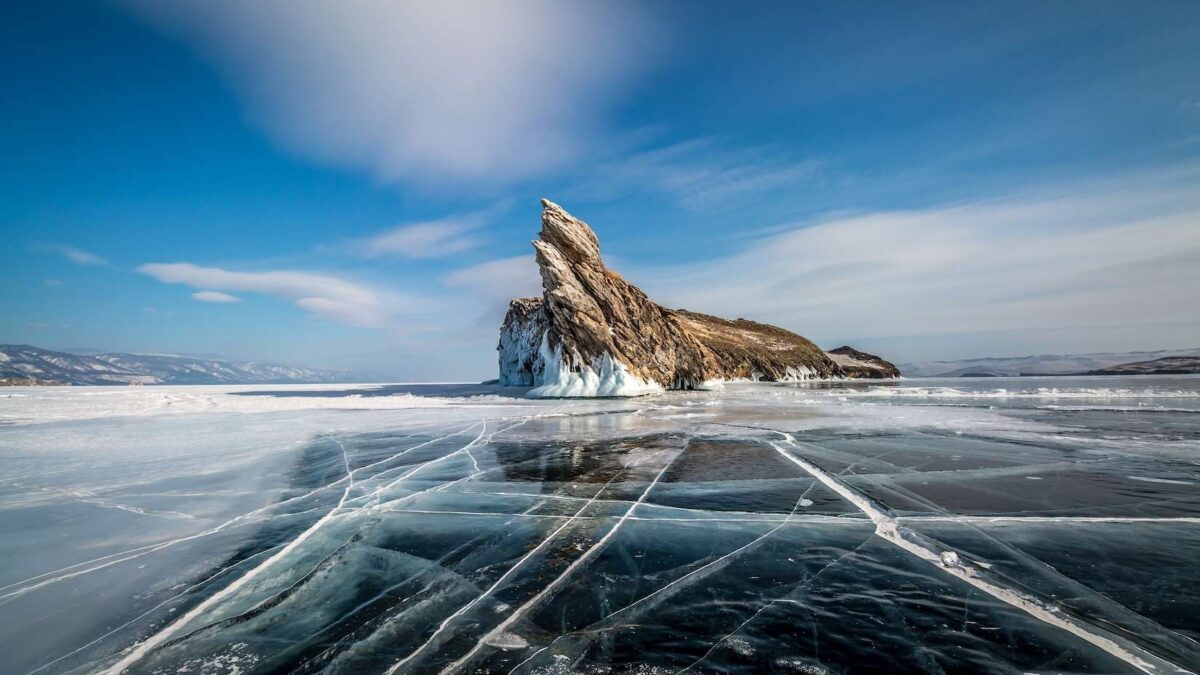
Lake Baikal water levels, Digimart Global (Siberia, Russia): Lake Baikal, the world’s largest freshwater lake by volume and a UNESCO World Heritage site since 1996, holds roughly 20 percent of the planet’s surface fresh water. For decades, aridification in East Asia weakened the water supply feeding the lake, threatening resources used by local communities, agriculture and hydropower.
A study published in Geophysical Research Letters, reported by the publisher, suggests that conditions are now changing. Researchers led by Shijie Wang, a doctoral student at Yunnan University, examined growth rings of pine trees around the lake, whose widths reflect moisture and drought conditions.
Using wood samples and dendrochronological data, the team reconstructed 343 years of flow changes in the Selenga River, which feeds Baikal. The record shows that the twentieth century was especially concerning: during the most critical episodes, river flow fell by as much as 90 percent, and nearly half of the extreme drought years in the reconstructed period occurred after 1900.
The picture has shifted since 2017. The researchers report that river flow has risen 145 percent above its long-term average, a recovery accompanied by higher lake levels and more vigorous vegetation.
The study links flow variations mainly to precipitation, soil moisture, snowmelt and the water balance of the watershed. They are also correlated with cooler surface waters and greater sea-ice cover in the North Pacific and the Arctic, which may help bring moisture to the region.
The authors describe a regional slowing of Arctic warming linked to natural climate variability, not a reversal of global warming, and they say this pause does not guarantee lasting improvement.
Because high-flow episodes tend to be sudden and brief while decline phases can set in gradually and last, the researchers urge caution in interpreting the recent rise. To prepare for future droughts and intense rainfall, they recommend better water storage, protection of aquifers, and restoration of wetlands in the Selenga delta, which can retain water and release it gradually.