
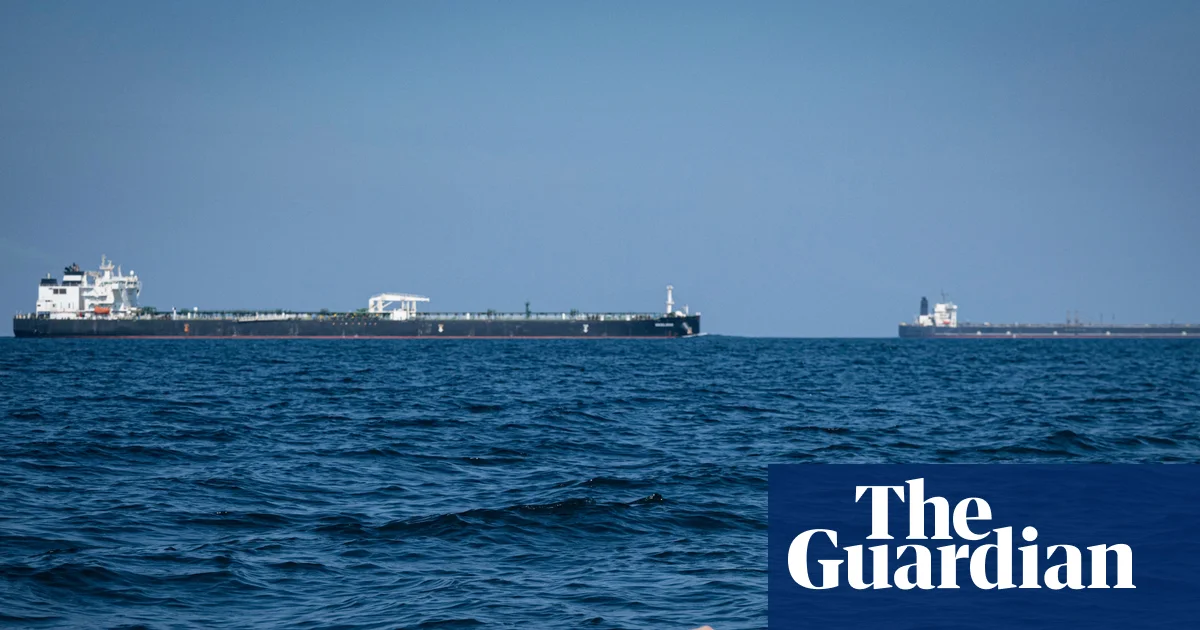
Lewis Pugh Hormuz swim, Digimart Global (Strait of Hormuz): British endurance swimmer Lewis Pugh, a UN patron of the oceans, has completed a three-day swim through the Strait of Hormuz to draw attention to the environmental cost of the Iran war. According to the Lewis Pugh Foundation, he covered the 9.3-mile (15km) length of the waterway, a key route for oil shipments from the Middle East.
During the swim, Pugh reportedly saw several attacks on commercial shipping, explosions in the distance and fighter jets overhead. On the first day, an oil tanker was struck by a projectile about 2.5 miles from where he was swimming.
On the second day he saw flames rising above a headland from a burning liquefied petroleum gas carrier, the Tara Gas, and later passed close to the vessel while it was still on fire.
Pugh said his immediate thoughts were for the seafarers on board. “The flames were enormous,” he said.
“These vessels carry highly flammable gases, and an attack on one can have catastrophic consequences, not just for crew members but also on the surrounding marine environment.”
The 56-year-old described the trip as his first swim in a conflict zone, undertaken to call for an end to the fighting, the reopening of the strait and action to address environmental damage caused by the conflict. He is believed to be the first person to attempt a long-distance swim in the strait since the conflict began in March.
He set off from Musandam Island, passing through the mountains and inlets of Oman’s Musandam peninsula and Iran’s mangrove forests, to reach the Cape of Hormuz at the peninsula’s northern tip. A support boat and kayak accompanied him throughout.
Pugh argued that environmental harm from war often receives less attention than the human cost. “War causes immense human suffering,” he said.
“But there is another casualty that receives far too little attention: nature itself. And the damage can last long after the fighting has stopped.” According to the UN, at least 175 vessels have been attacked since fighting began, and about 30 attacks have caused significant pollution.
The strait is one of the world’s most important shipping routes and is also home to wildlife including dugongs, sea turtles and whale sharks. Pugh, who was born in Plymouth, warned that oil spills and other contamination could have long-term consequences for marine ecosystems, including coral reefs, seagrass meadows and mangrove forests.