
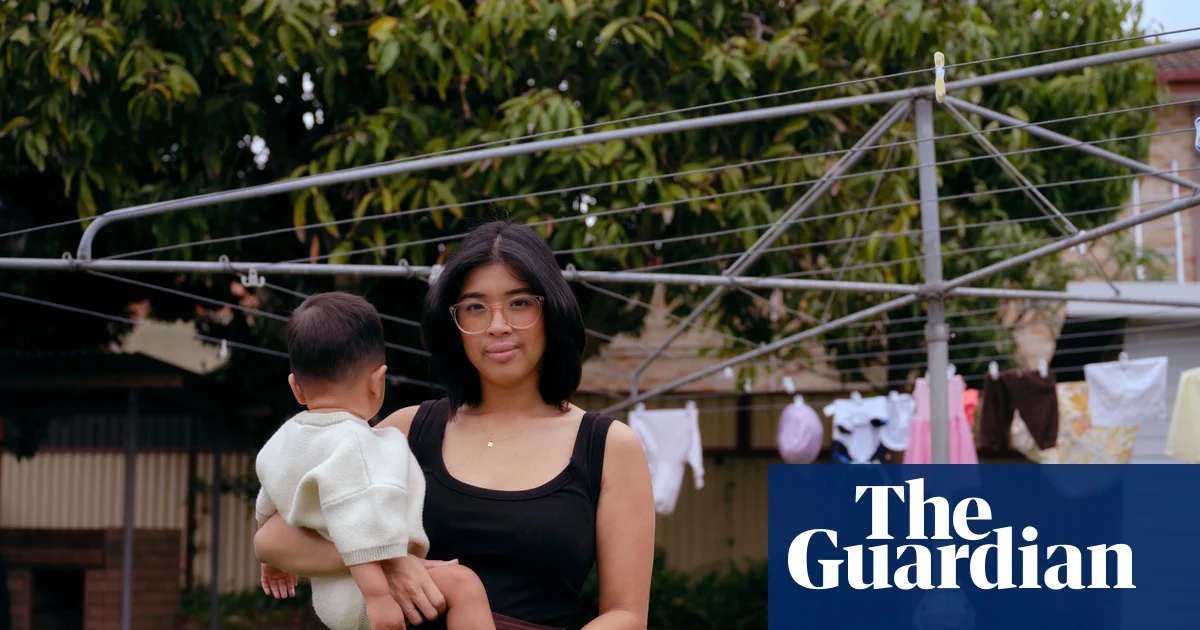
Home birth insurance rules, Digimart Global (Australia): Sydney mother Angela Morata, who is four months pregnant with her third child, has booked a home birth for April next year, as she did with her previous two babies. The 35-year-old says she is worried that a change to midwifery insurance could upend those plans.
The expiry of a longstanding insurance exemption for midwives on 31 December threatens to throw the private home birth sector into disarray. From 1 January, all privately practising midwives attending home births must be covered by a government insurance policy, which will be available exclusively to “endorsed midwives”.
Endorsement requires additional study and training, including 5,000 clinical hours.
According to the Nursing and Midwifery Board of Australia, about 5% of almost 35,000 registered midwives are endorsed. Endorsed midwives can prescribe medicines and write referrals for blood tests, ultrasounds and other tests.
In Australia, two midwives are legally required at every home birth: a primary midwife, who is endorsed and leads care, and a supporting second midwife who in many cases is not endorsed.
Warnings of a sector under strain
The Australian College of Midwives warns that up to a third of privately practising endorsed midwives could be forced out of the system when the changes take effect, particularly those who rely on non-endorsed colleagues as second attendants. Sydney-based endorsed midwife Jo Hunter says the changes “could mean having to cease practice”, noting that her network of private midwives all rely on non-endorsed midwives as second attendants.
Hunter says relying on other endorsed midwives would be an “unsustainable” business model, as it would mean each midwife attending both their own births and those of colleagues. She says she is increasingly receiving messages from women asking whether they will still be able to have a home birth.
Concern about freebirths
Western Sydney University professor Hannah Dahlen says there is strong evidence that a mass exodus of private midwives could see freebirths increase, creating a potentially very risky situation for the public. A freebirth is a birth outside hospital without medical assistance.
Coronial inquests in New South Wales and Victoria are examining the role of freebirths in a number of high-profile deaths.
Homebirth Australia has called on the government to grant midwives another extension and find a permanent solution before the 31 December deadline. In a statement to Guardian Australia, the federal health department said the exemption had previously applied because “there was not a suitable insurance product available” and was “never intended to be a permanent solution”.
The department acknowledged concerns about access in rural and regional communities but said the change was not intended to discourage women from choosing a home birth.