
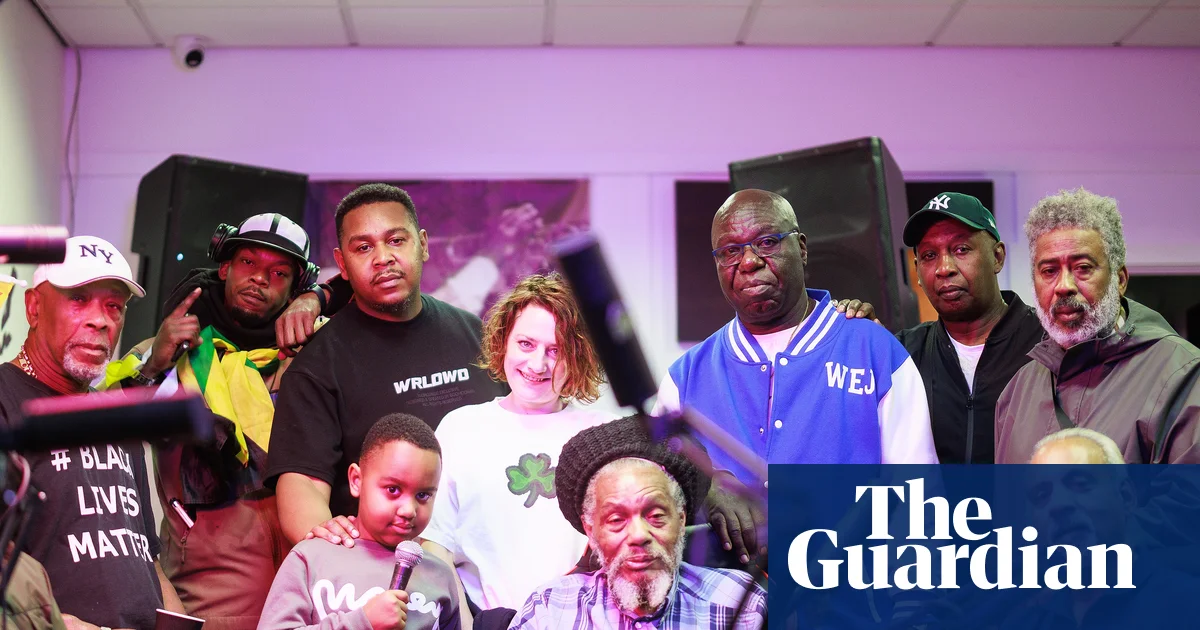
Manchester sound system revival, Digimart Global (Manchester, United Kingdom): For a generation of young Black Mancunians, some of the most important lessons came not from classrooms but from towering stacks of amplifiers and speakers, turntables and Jamaican records, according to a feature published by The Guardian. Errol “Barzy” Beaumont, a founder member of Baron Turbo Charge, Manchester’s long-running reggae sound system, says the records taught young people about a culture missing from the school curriculum.
Roots of the scene
More than 50 years after the children of Windrush-generation migrants adapted their parents’ music and DJing culture into a Black British youth movement, Manchester’s sound system scene is reported to be enjoying a revival. Keithly Brandy, an archivist of the city’s postwar Black history, has been working with museums and universities to preserve flyers and paperwork documenting the scene in the 1970s and 1980s, while Winston Jones, founder of Trafford Bar Studios, has produced a podcast series about it.
From Moss Side to the diaspora
According to the report, the Megatone Sound Foundation has set up and supported sound systems across the Black diaspora, from Kingston to the Gambia and Ethiopia, while Baron Turbo Charge continues to keep reggae alive in Moss Side. The article describes how the scene, which once offered young Black people a lifeline in postwar Britain, is again providing a sense of belonging and community, now for those same people in their 60s.
Early days in Manchester
The feature recounts that Marcus, of Megatone Sound Foundation, began in his parents’ front room in Old Trafford in 1976, aged nine, when he rebuilt the family’s wooden stereogram into a small system he called Conqueror. Early scenes centred on house parties, community functions and youth clubs in neighbourhoods including Hulme, Moss Side and Old Trafford, with venues such as Aquarius, Proctor’s, Birley and the Hideaway featuring reggae artists including Dillinger and Johnny Clarke.
Preserving the history
The Guardian reports that ephemera from the scene is now held in institutions. A contract connected to broadcaster David Rodigan’s appearance at the PSV club is featured in the V&A East exhibition The Music is Black: A British Story in London, and is among items preserved by Brandy.
Jones funded the Pioneers of Manchester’s Soundsystem era podcast so that the voices of that period are preserved.
Community and belonging
Jones’s Trafford Bar Studios, which he founded and funded with compensation linked to his experience in the Windrush scandal, offers young people free training in skills such as DJing, photography, videography and podcasting. Beaumont, now 67, said he returned to playing dances because there is little entertainment for his generation, and the West Indian Sports and Social Centre in Moss Side is described as one of the few venues where large sound systems can still recreate the old atmosphere.