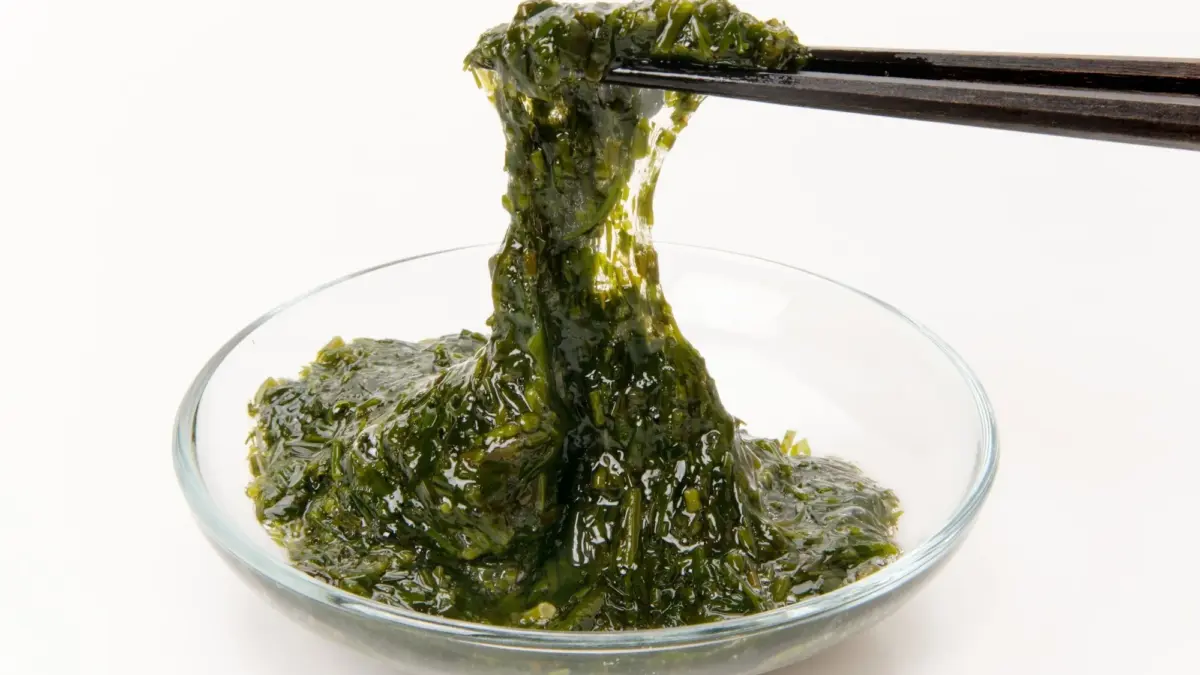
Seaweed gut bacteria, Digimart Global: Researchers in Japan have examined whether three traditional edible seaweeds can influence the bacteria living in the gut, along with gut metabolites and immune responses. The work, published in the journal Nutrients, was conducted by researchers from Fukui Prefectural University, Ishikawa Prefectural University and Toyama Prefectural University.
Seaweed is a traditional food in Japanese cuisine and contains fibre, minerals and various bioactive compounds. An earlier study involving about 80,000 Japanese participants linked seaweed consumption to a lower risk of cardiovascular disease.
The gut microbiota influence nutrient metabolism, immune response and inflammation, and certain dietary fibres can act as prebiotics that support beneficial intestinal bacteria.
Mouse study findings
The researchers studied three species: Campylaephora hypnaeoides, Sargassum horneri and Gloiopeltis furcata. Thirty-two male mice were divided into four groups of eight.
The control group received a standard diet, while the others received diets containing 5% of one seaweed powder for eight weeks. All three seaweeds significantly changed gut bacterial composition and reduced measured microbial diversity compared with controls, and the health implications of that reduction remain uncertain.
Seaweed-enriched diets increased levels of several bacterial groups, including Akkermansia and Faecalibaculum, and decreased others such as Alistipes. Fecal concentrations of acetate, propionate and butyrate also rose, with Campylaephora hypnaeoides producing the strongest increase.
Campylaephora hypnaeoides and Gloiopeltis furcata also raised fecal IgA levels at weeks five and eight, while Sargassum horneri showed no clear effect.
Laboratory and human results
In separate laboratory experiments, polysaccharides from all three seaweeds significantly stimulated IgA secretion by mouse Peyer’s patch cells. The researchers suggest this may occur without relying on microbial short-chain fatty acid production.
In tests with 25 human intestinal bacterial species, polysaccharides from Campylaephora hypnaeoides promoted the growth of five species.
In a preliminary human study, 74 healthy adults who completed the trial ate about 30 g of boiled Sargassum horneri daily for three weeks. Their Firmicutes-to-Bacteroidota ratio fell significantly.
Participants reported more frequent bowel movements, loose stools, bloating and, in three cases, self-reported weight loss. The study was open-label without a control group, and it did not establish a weight-loss or metabolic benefit.
The researchers describe seaweed polysaccharides as potential prebiotics, but say further controlled clinical studies measuring metabolic outcomes are needed before their effectiveness in preventing metabolic disease can be established.