seaweed gut bacteria, Digimart Global: Researchers from Fukui Prefectural University, Ishikawa Prefectural University and Toyama Prefectural University in Japan have examined whether three traditional Japanese edible seaweeds could influence the bacteria living in the gut. The study, published in the journal Nutrients, looked at effects on gut microbiota, short-chain fatty acid (SCFA) levels and intestinal immune responses in mice, alongside a preliminary human study involving one seaweed species.
Seaweed is a traditional food in Japanese cuisine and contains fibre, minerals and various bioactive compounds. An earlier study involving about 80,000 Japanese participants linked seaweed consumption to a lower risk of cardiovascular disease.
Certain dietary fibres can act as prebiotics, supporting the growth of beneficial intestinal bacteria, but the mechanisms by which seaweed polysaccharides influence gut microorganisms remain incompletely understood.
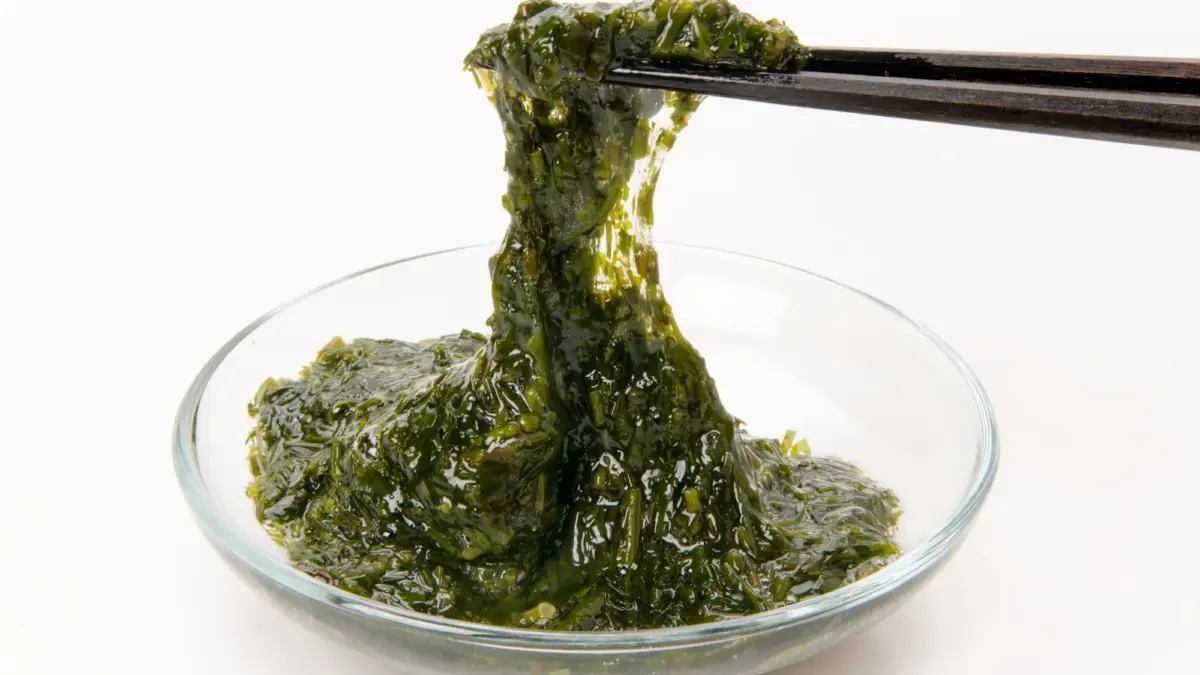
The researchers studied three species: Campylaephora hypnaeoides (Ch), Sargassum horneri (Sh) and Gloiopeltis furcata (Gf). The seaweeds were washed, dried, ground into powder, and their polysaccharides were extracted, purified and characterised.
Thirty-two male BALB/c mice were divided into four groups of eight. One group received a standard diet, while the others received diets containing 5% of one seaweed powder for eight weeks.
All three seaweeds significantly altered gut microbiota composition in mice. The interventions reduced microbial diversity compared with controls, and the health implications of this reduction remain uncertain.
Seaweed-enriched diets increased the relative abundance of Akkermansia, Alloprevotella, Faecalibaculum and uncultured Muribaculaceae bacteria, while Alistipes, uncultured Lachnospiraceae and the Lachnospiraceae NK4A136 group decreased.
The diets also raised faecal concentrations of acetate, propionate and butyrate. Ch produced the strongest SCFA response, while Ch and Gf also increased faecal immunoglobulin A (IgA) levels at weeks five and eight; Sh showed no clear IgA effect.
In separate laboratory experiments, polysaccharides from all three seaweeds stimulated IgA secretion by mouse Peyer’s patch cells, suggesting they may act on intestinal immune cells without relying on SCFA production.
In the human component, 83 healthy adults were initially enrolled and 74 were included in the final analysis. After three weeks of eating about 30 g of boiled Sh daily, participants showed a significant decrease in the Firmicutes-to-Bacteroidota (F/B) ratio.
Participants reported effects including more frequent bowel movements, loose stools, abdominal bloating and, in three people, self-reported weight loss. None of these effects required discontinuing the trial, but the study did not establish a weight-loss benefit.
The researchers caution that the F/B ratio change shows a shift in bacterial composition but cannot by itself establish improved gut health or metabolic function. The human investigation was exploratory, lasted only three weeks, was open-label and lacked a placebo-controlled comparison.
The authors state that further controlled clinical studies assessing metabolic outcomes are necessary before seaweed polysaccharides can be considered effective in preventing metabolic diseases.