

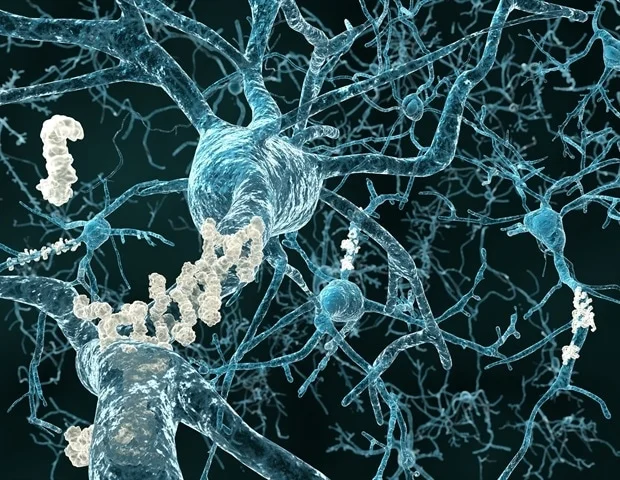
Experimental mRNA nose drops for memory loss, Digimart Global (Sydney, Australia): Researchers at the University of Sydney have developed experimental nose drops that enhance learning and memory in aged mice and prevent memory loss in a mouse model of Alzheimer’s disease. The treatment uses mRNA technology similar to that used in COVID-19 vaccines, according to the publisher’s report.
The research comes from the laboratory of Professor Greg Neely at the Charles Perkins Centre. The team delivered messenger RNA packaged in lipid nanoparticles to the nose, where it prompts cells to produce brain-derived neurotrophic factor (BDNF), a naturally occurring protein that supports neuron survival, plasticity and memory formation.
Reduced BDNF levels are associated with ageing and Alzheimer’s disease.
In aged mice, those treated with the nose drops performed similarly to young mice in standardised tests of working memory, spatial memory and object recognition. In the 5XFAD mouse model, which carries genetic mutations and develops Alzheimer’s-like brain changes, treatment started when the disease first appeared protected the animals from the severe cognitive decline normally seen in the model.
The researchers reported that the treatment preserved brain function without reducing amyloid plaques, the protein clumps associated with Alzheimer’s. This suggests the approach may work differently from current anti-amyloid therapies, which focus on clearing plaques, and could potentially complement them.
The team also observed increased formation of new neurons in the hippocampus, a region important for learning and memory, and no major side effects during the study.
Professor Neely cautioned that the research is at the preclinical stage and that mouse studies are an essential early step. Further animal safety studies would be required before any human trial, and he noted that human noses differ from mouse noses.
The team said future work will focus on optimising the delivery system and evaluating long-term safety and effectiveness. The study was published in Advanced Science.