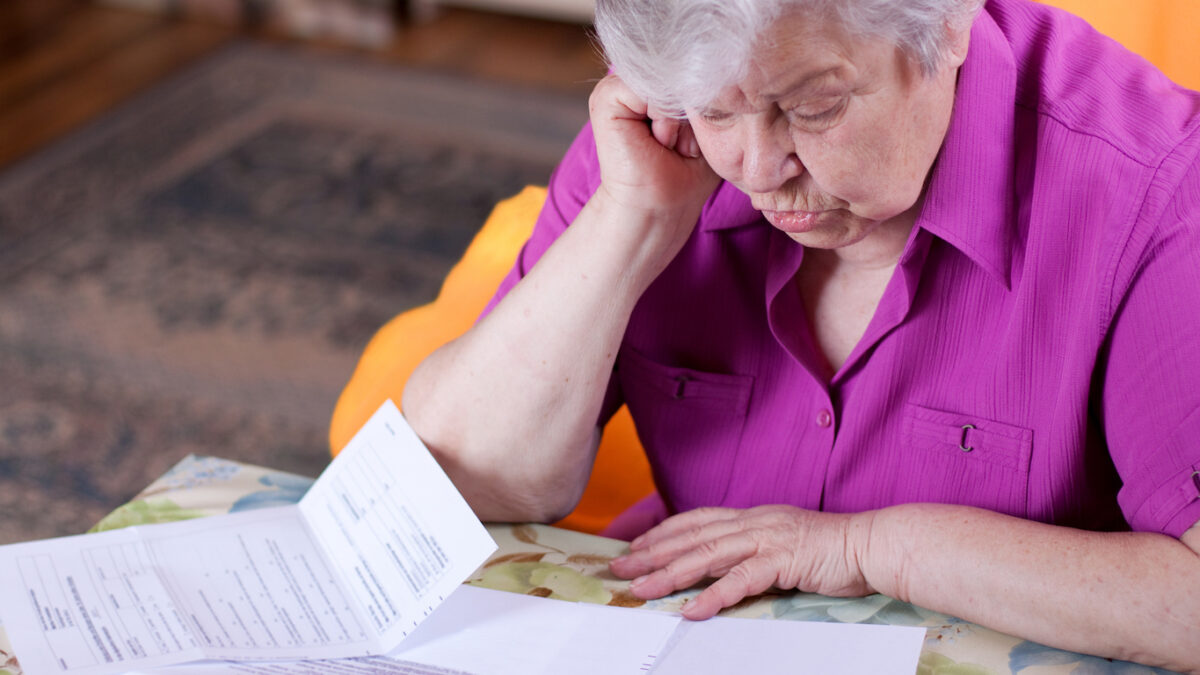
Social Security survivor benefits, Digi Mart USA News: When one spouse dies, a household stops receiving two Social Security retirement checks and keeps one. According to the Social Security Administration, if a survivor qualifies for a survivor benefit and another benefit, the payments “won’t be added together.” The survivor receives the larger of the two amounts.
In most couples the higher earner had the larger check, so the survivor benefit usually replaces the survivor’s own lower benefit. The source reports that the survivor may switch later, for example starting on survivor benefits and moving to her own retirement benefit at age 70 if that payment is higher.
This option applies only if she has not yet claimed her own benefit.
The amount of the survivor benefit depends on the claiming ages of both spouses. The source states that survivor payments start at 71.5% of the late spouse’s benefit and rise to as much as 100% at the survivor’s full retirement age, which falls between ages 66 and 67. If the husband claimed a reduced retirement benefit early, the source says the Social Security operations manual caps the widow’s benefit at the larger of 82 1/2% of his primary insurance amount or the reduced benefit he would have been receiving.
The source uses a hypothetical 72-year-old widow whose husband claimed at full retirement age. Using a 3.6% cost-of-living adjustment for 2027, his check is $2,005 a month and hers is $1,350. Her $1,350 check stops, cutting household Social Security income by $16,200 a year, but the taxable share of her remaining benefit rises slightly because single filers face lower income thresholds.
According to the source, filing as single lowers the tax thresholds, so about 82% of the widow’s benefits become taxable compared with 49% before, though the figures depend on her other income. The source also says that under the 2026 CMS table, a single filer pays the standard Part B premium of $202.90 a month if modified adjusted gross income is $109,000 or less, and that higher income can trigger surcharges, with the first tier raising Part B to $284.10 a month and adding $14.50 a month to Part D.
The source suggests a survivor who receives a surcharge notice based on a year when both spouses’ income counted may ask for a lower amount on Form SSA-44.