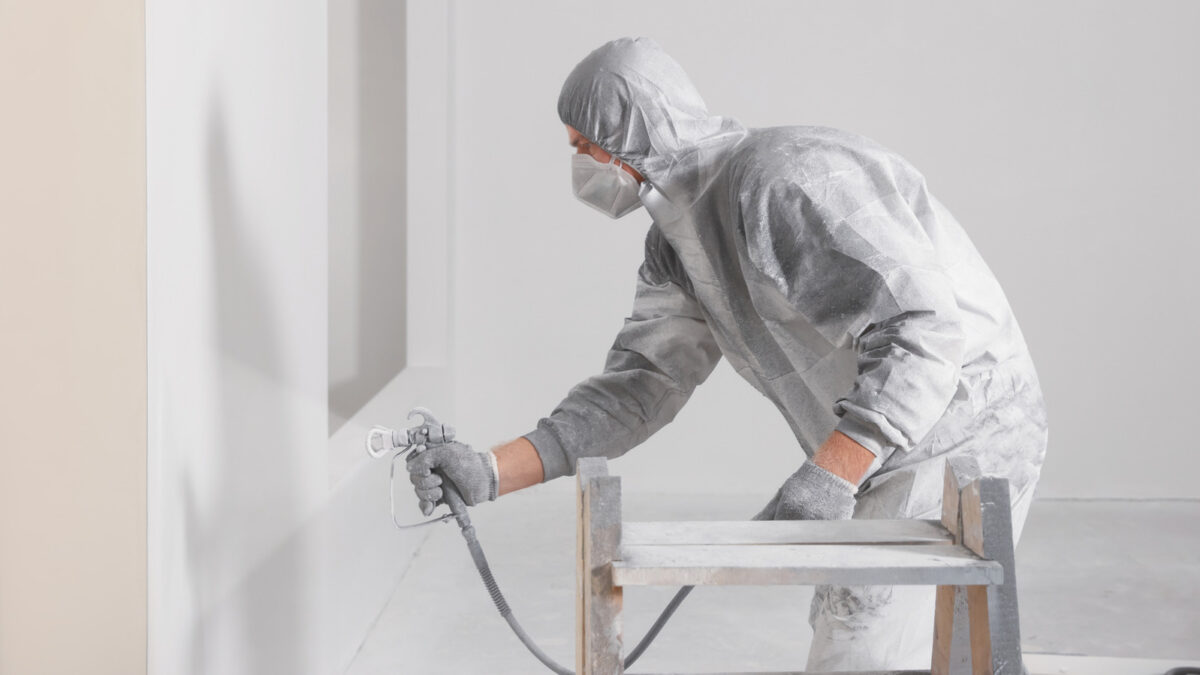
Professional painters, Digi Mart USA News: Professional painters face many daily hazards that can harm their health, which is why they wear personal protective equipment, or PPE, to protect themselves and limit contact with dangerous substances. According to the publisher’s report, going without this gear can cause short-term effects such as headaches, dizziness and nausea, as well as more serious long-term effects from chemical exposure.
Inhaling airborne chemicals and particles is one of the biggest concerns painters face on projects. The report notes that the International Agency for Research on Cancer (IARC) classified the occupation of painting as Group 1 carcinogenic in 1989 and linked exposure to these compounds with several forms of cancer, bronchitis, asthma and other conditions.
Painters who use low-VOC or no-VOC paint still may encounter harmful chemicals found in pigments, extenders, binders, solvents and additives.
Painters typically choose PPE that matches the hazards of a specific job site. When sanding painted surfaces may release fine or lead dust, painters often wear an N95 mask.
Safety goggles can protect against paint splashes during roller application. For spray painting or solvent use, an organic-vapor cartridge respirator is among the most necessary items, as it reduces the risk of inhaling several chemicals; the report gives a 3M Gray Reusable P95 Half Face Respirator sold at Lowe’s as an example.
Other protective gear depends on the job. Basic foot covering guards against paint splatters, while steel-toed shoes help prevent injuries from falling buckets, tools or heavy items from ladders.
Some footwear also provides traction on spilled paint or drop cloths. Painters using loud equipment may wear earplugs to reduce hearing damage, and disposable coveralls with gloves help prevent skin irritation or burns.
The report also addresses homeowners who paint their own homes. It advises assessing the risks of each project; for example, someone using a spray painter may want a respirator and goggles.
It adds that the average homeowner does not face the same long-term exposure risks as professionals.