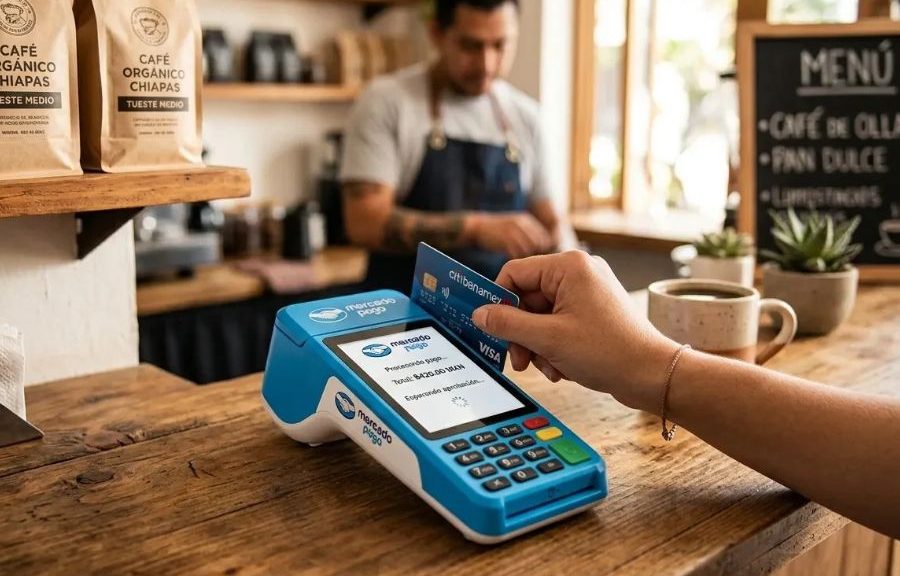
Mexico Digital Economy Law payment rules, Digi Mart USA News (Mexico City): Mexico’s Digital Economy Law for Digital and Electronic Payments took effect on November 5 and opened a new stage for financial transactions in Mexico. Although it does not prohibit cash, it promotes the use of transfers, cards and QR codes.
The law authorizes the Ministry of Finance and Public Credit (SHCP) to define sectors where digital payment could be the only option. The rule was published in the Official Gazette of the Federation (DOF) on November 4 and took effect the following day.
The SHCP has 15 business days, counted from the entry into force, to determine the sectors and activities where exclusively digital payments may be required. Afterward, the relevant authorities must set the rules and deadlines for application.
For now, cash remains valid outside any sectors that eventually become subject to that provision.
According to the text of the law cited by media, if a contingency prevents receiving digital payments, payment in cash or by check will be permitted. Some media reports say gas stations and toll booths are expected to be among the first sectors affected, although the law does not include a list of businesses.
As a first step, the source recommends comparing bank fees. Reviewing costs for account management, transfers, withdrawals and card use can help identify recurring charges and evaluate other options.
It also suggests activating digital tools such as SPEI, CoDi or DiMo to send and receive money without relying on cash.
Before frequently using QR or NFC payments, the source advises making small purchases and verifying the business name and amount. Another option is organizing recurring payments for services such as electricity, water, internet or phone, provided the available balance and charges are monitored.
Those planning to open or update a digital account should know that the law recognizes the Digital CURP and the Digital Citizen Record as mechanisms for contracting financial services remotely. For security, the source recommends enabling two-factor authentication, using different passwords and never sharing PINs or verification codes.
Finally, in case of internet, power or payment terminal failures, the source suggests keeping some cash and maintaining an emergency fund in an easily accessible account. The SHCP’s determination on which sectors will require exclusively digital payment is expected in the coming weeks.