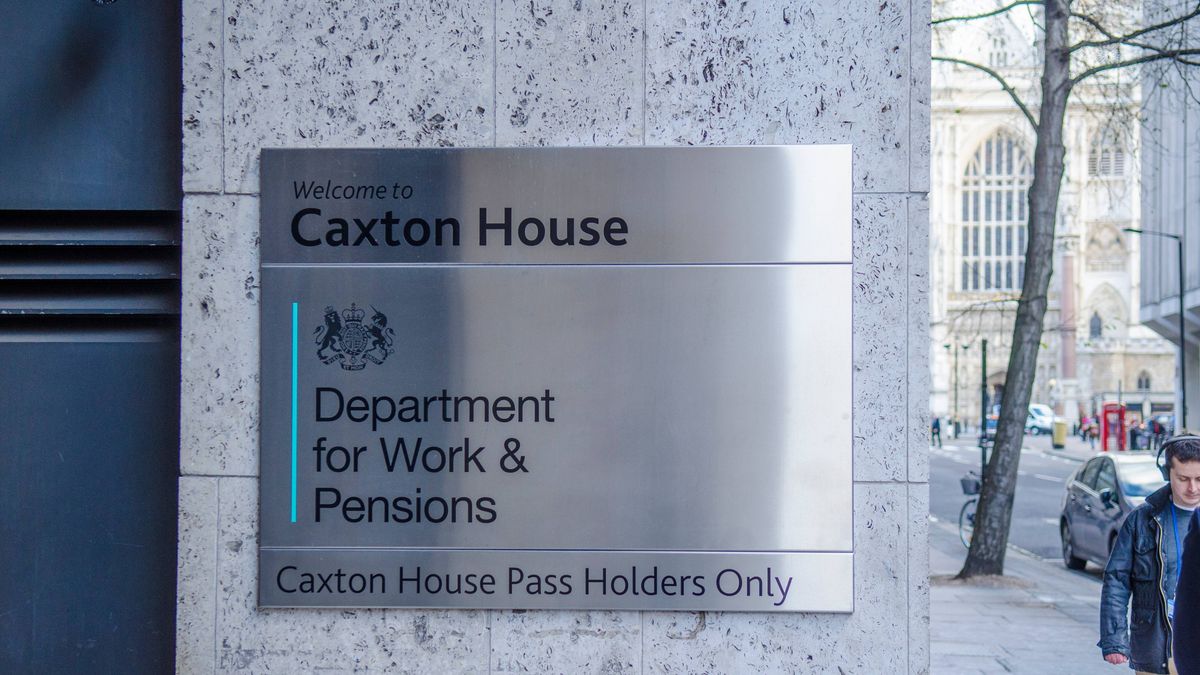
PIP cash payments DWP review, Digi Mart USA News (United Kingdom): The Department for Work and Pensions (DWP) has provided an update on the future of Personal Independence Payment (PIP) following queries over whether claimants will continue to receive cash payments after a major review of the disability benefit.
Minister for Social Security and Disability, Sir Stephen Timms, responded to a written parliamentary question from Labour MP Neil Duncan-Jordan, who asked whether cash would remain the default payment method for all PIP claimants following the Timms Review. The MP also requested confirmation that any alternative forms of non-cash support would be provided on a voluntary basis.
However, Sir Stephen did not offer either assurance in his response on October 29. He stated: “The Timms Review steering group is considering its recommendations ahead of the final report’s publication in autumn.
The Secretary of State for Work and Pensions will consider the findings before deciding any next steps.” The response indicates that no decision on altering how PIP is delivered was announced in the parliamentary answer, according to a report from the Liverpool Echo.
PIP is currently a cash benefit intended to assist people with the extra costs of living with a long-term health condition or disability. Payments are typically made directly into a claimant’s bank, building society or credit union account every four weeks.
The benefit is not means-tested, which means eligibility is not determined by a person’s income or savings, and people can also receive PIP while working.
The Timms Review was set up to scrutinise the PIP assessment process and explore how the system could more effectively support disabled people and those with long-term health conditions. The review brings together disabled people and organisations representing them, along with other key stakeholders.
Its conclusions are anticipated to shape future government decisions regarding the disability benefit, though any recommendations would not automatically be adopted as government policy.
The most recent parliamentary response neither confirmed any plans to replace cash payments with vouchers, equipment or alternative forms of support, nor did it rule out recommendations concerning different payment arrangements. Any proposed changes would need to be carefully considered by the Work and Pensions Secretary before the UK Government determined whether to pursue further action.
PIP comprises two components, daily living and mobility, with each paid at either a standard or enhanced rate depending on the claimant’s assessed requirements. Claimants may qualify for one or both components.
Eligibility is determined by the impact of a health condition or disability on day-to-day activities and mobility, rather than solely on a diagnosis.
The daily living component may be available if a person needs help with preparing food, eating and drinking, managing medicines or treatments, washing and bathing, using the toilet, dressing and undressing, reading, managing money, socialising, and talking, listening and understanding. The mobility component may be available if a person needs help with working out and following a route, physically moving around, or leaving home.
The GOV.UK guidance states: “You do not have to have a physical disability to get the mobility part. You might also be eligible if you have difficulty getting around because of a cognitive or mental health condition, like anxiety.” The DWP will assess how challenging daily living and mobility tasks are, examining whether a person can do each task safely, how long it takes, how often their condition affects the activity, and whether they need help from a person or extra equipment.
People wishing to submit a new claim can contact the DWP, and the information required to apply is available on the GOV.UK website. Applicants will generally need their contact details, date of birth, National Insurance number, bank or building society account number and sort code, the name, address and telephone number of their doctor or health worker, and dates and addresses for any time spent abroad, in a care home or in hospital.