Monarch butterflies tracked with solar transmitters reveal new migration routes to Mexico, Digi Mart USA News: A scientific project that equipped about 1,750 monarch butterflies with tracking devices has revealed previously unknown migratory connections between the western and eastern populations of North America. The findings are key to protecting a species that hibernates each year in the forests of Michoacán, Mexico.
The study is coordinated by an international team that includes the U.S. National Wildlife Federation.
It seeks to reconstruct the monarchs’ itineraries and identify the sites where they rest and feed during their journey.
Among the findings is a butterfly from Utah, west of the Rocky Mountains, that joined the eastern populations heading to central Mexico, where the hibernation sanctuaries are located. Scientists also recorded specimens that moved down the U.S.
East Coast to Florida, crossed the Gulf of Mexico and continued their journey through Mexican territory.
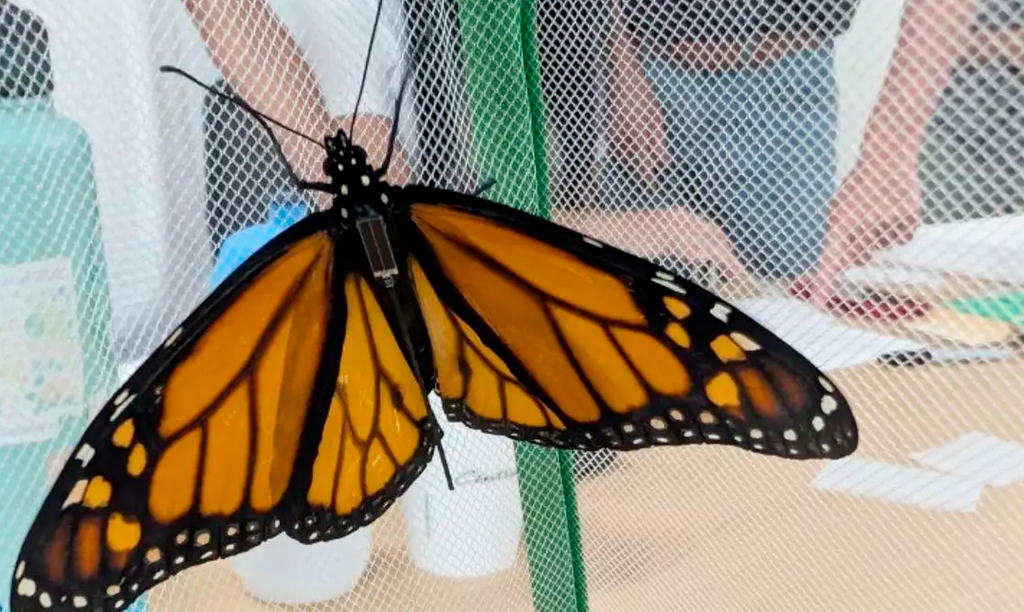
The transmitters run on solar energy, cost about 200 dollars and weigh about the same as a drop of water. They allow researchers to know the points where each butterfly was detected, although not its exact location at all times.
Anyone can follow the recorded movements through the free Project Monarch Science app.
The information is particularly relevant because since the mid-1990s, eastern monarch populations have declined by more than 80 percent and western populations by about 95 percent, due to habitat loss, pesticides and climate change.
In Michoacán, the 2026-2027 observation season will begin on November 20 with the opening of the El Rosario sanctuary in Ocampo, Sierra Chincua in Angangueo, and Senguio in the municipality of the same name. They lie within the Monarch Butterfly Biosphere Reserve, recognized by UNESCO since 2008, which covers more than 56,000 hectares shared between Michoacán and the State of Mexico.
Ejido members in Michoacán estimate an increase in the butterfly population this season, which concludes in March 2027. Last year, the area occupied by monarchs was 2.93 hectares, 64 percent more than the previous season.