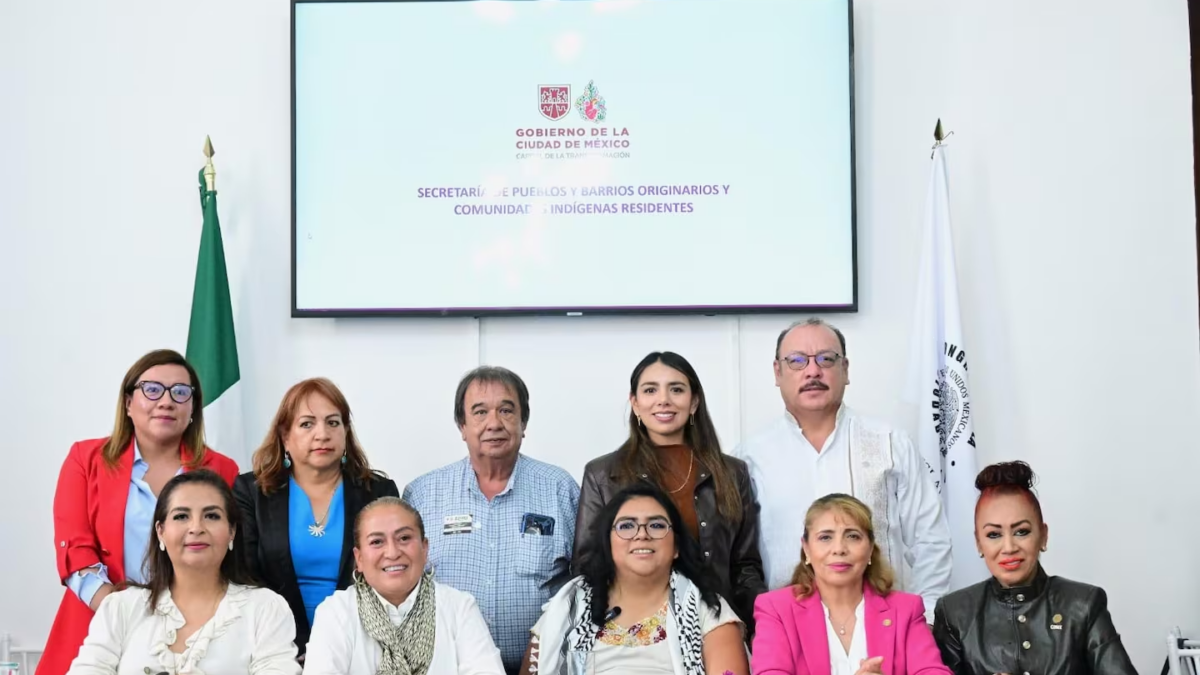
Mexico City indigenous consultations SEPI 200,000 participants, Digi Mart USA News (Mexico City, Mexico): The Secretariat of Indigenous Peoples and Neighborhoods, known as SEPI, has carried out 14 indigenous consultations on various projects in Mexico City, with the participation of 200,000 people, according to its head, Nelly Juárez, who spoke during her appearance before the city’s Congress.
As part of the review of the Second Government Report of Clara Brugada, the official said these prior, free and informed consultation exercises have allowed the participation of peoples and communities to be incorporated into projects such as the UTOPÍAS, Lines 5 and 6 of the Cablebús, the Integral Water Plan and the General Development Plan project for the capital.
“We are the entity that has carried out the most indigenous consultations. There are already 14 on different projects, with the participation of 200,000 people.
No decision about the peoples is made without the peoples,” she said.
On the recognition and preservation of cultural heritage, the secretary reported that 97 peoples, original neighborhoods and resident indigenous communities expressed interest in registering or updating their information in the Registry and Documentation System for Original Peoples and Neighborhoods and Resident Indigenous Communities of Mexico City.
During statements by parliamentary groups, lawmakers acknowledged the department’s actions but agreed that public policies must be strengthened to combat discrimination, racism and the various forms of exclusion faced by this population. Morena deputy Judith Vanegas said it is necessary to advance the preservation and revitalization of indigenous languages, strengthen their cultural expressions and protect biocultural heritage, and asked that efforts to recognize the rights of indigenous women and combat discriminatory practices be maintained.
PAN deputy Claudia Pérez recognized SEPI’s work to strengthen citizen participation and defend the rights of these communities; however, she said challenges persist in preserving their identity and traditions, as well as guaranteeing legal certainty and better development opportunities.
PVEM deputy Rebeca Peralta questioned legal support and reparation of harm for indigenous and Afro-Mexican people deprived of liberty, and referred to actions to make Afro-Mexican and Afro-descendant communities more visible. Érika Rosales, of the Progressive Parliamentary Association of the Transformation, proposed that the city Congress hold public consultations to protect the local economy and the rights of original peoples in the face of the growth of commercial chains in the Xochimilco borough.
Paula Pérez Córdova, chair of the Commission on Original Peoples, Neighborhoods and Afro-Mexican Communities, highlighted the importance of public policies aimed at these sectors, given the historical debt owed to the capital’s original peoples.