Musk-linked Tesla and SpaceX stock slide after US midterm elections, Digi Mart USA News: Elon Musk invested billions of dollars in the political success of the Republicans. After their defeat in the US midterm elections, his companies have come under heavy pressure on the stock market.
Investors fear that Washington could threaten his most ambitious future plans.
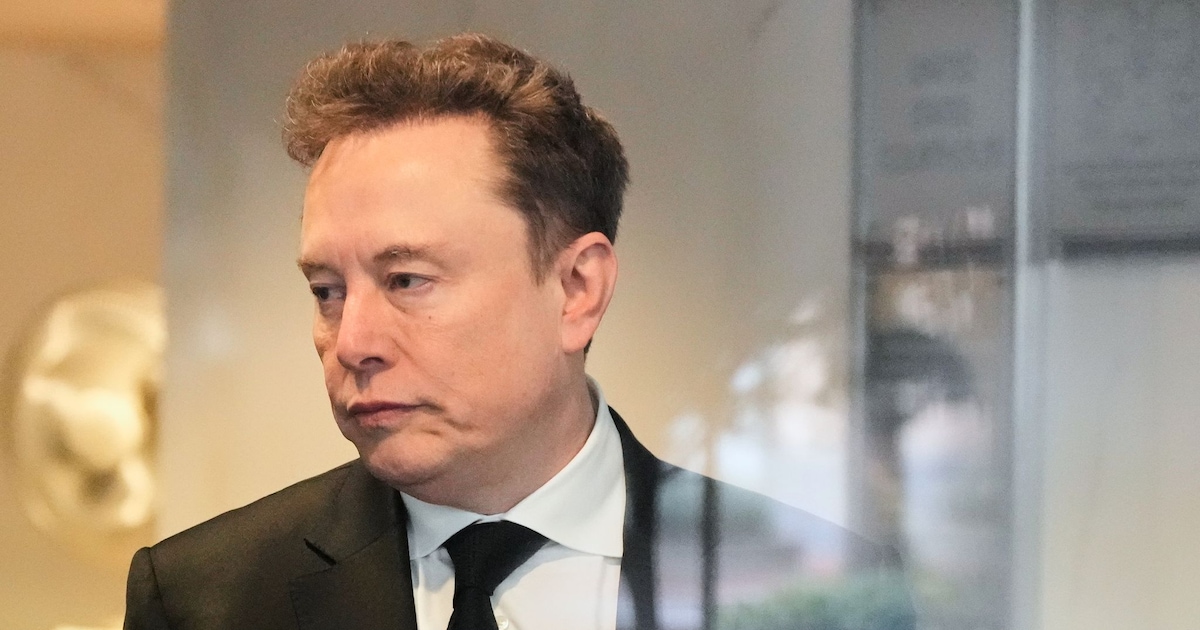
Elon Musk has closely aligned himself with Donald Trump and the Republicans, and that political closeness may now come at a high price. After the US midterm elections on November 3, shares of his two publicly traded companies, Tesla and SpaceX, came under significant selling pressure.
On Thursday alone, the stocks lost roughly 11 and 9 percent, respectively.
According to calculations by Dow Jones Market Data, reported by the US business portal MarketWatch, the combined market value of the two companies shrank by $456 billion within two trading days. Tesla lost $216 billion and SpaceX about $240 billion, according to the data.
The sell-off reflects more than general nervousness on technology exchanges. Democrats won both the House of Representatives and the Senate in the midterm elections, significantly changing the balance of power in Washington.
Musk is particularly exposed to developments in Texas, where Tesla and SpaceX are headquartered. Democrats won two significant election victories there, with Gina Hinojosa becoming governor-elect and James Talarico becoming senator-elect.
Garrett Nelson, an analyst at the research firm CFRA, sees this as an additional burden on the technology companies’ multibillion-dollar investments in artificial intelligence. The concern is that Democratic politicians could place stronger limits on the construction of new data centers, citing their enormous electricity and water demands as well as the strain on local infrastructure.
This would be problematic for Tesla and SpaceX, both of which are relying on a massive expansion of their AI capacity. Delays could raise costs and dampen expectations for future profits.
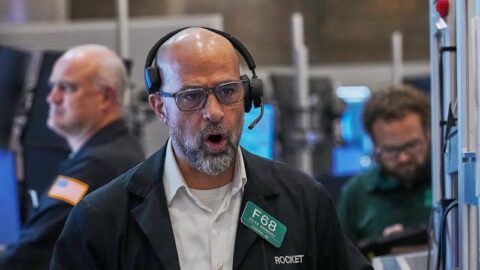
The selling pressure is not limited to Musk’s companies. On Thursday, the Nasdaq-100 lost about 6.4 percent, and the Philadelphia Semiconductor Index fell roughly 12 percent.
According to Dow Jones Market Data, both indexes recorded their steepest one-day losses since the Covid crash in March 2020.
Companies whose growth depends on the buildout of AI infrastructure were hit especially hard, including Dell, Seagate and Nvidia. Portfolio manager Thomas Martin of Globalt Investments sees the decline as also reflecting the possibility that new data center construction could slow.
For Musk, a second risk is his political vulnerability. According to OpenSecrets, the entrepreneur invested about $445.7 million in political activities during the 2026 election cycle, mostly in support of Republican candidates.
Democratic lawmakers could now examine his companies and their government relationships more closely, which is especially significant for SpaceX, which receives numerous government contracts.
Tesla and SpaceX are also reportedly in early talks about a possible merger. Such a combination could tie Musk’s technology empire more closely together but would also raise regulatory questions.
David Wagner, portfolio manager at Aptus Capital Advisors, considers this plan at risk, noting that a less politically sympathetic Congress could make a merger more difficult, although it would not necessarily prevent one.
For investors, the valuation of Musk’s companies is changing. Alongside growth prospects, technology and capital needs, a risk that is hard to capture in business forecasts is moving more into focus: the political dependence of a multibillion-dollar corporate empire on its founder.