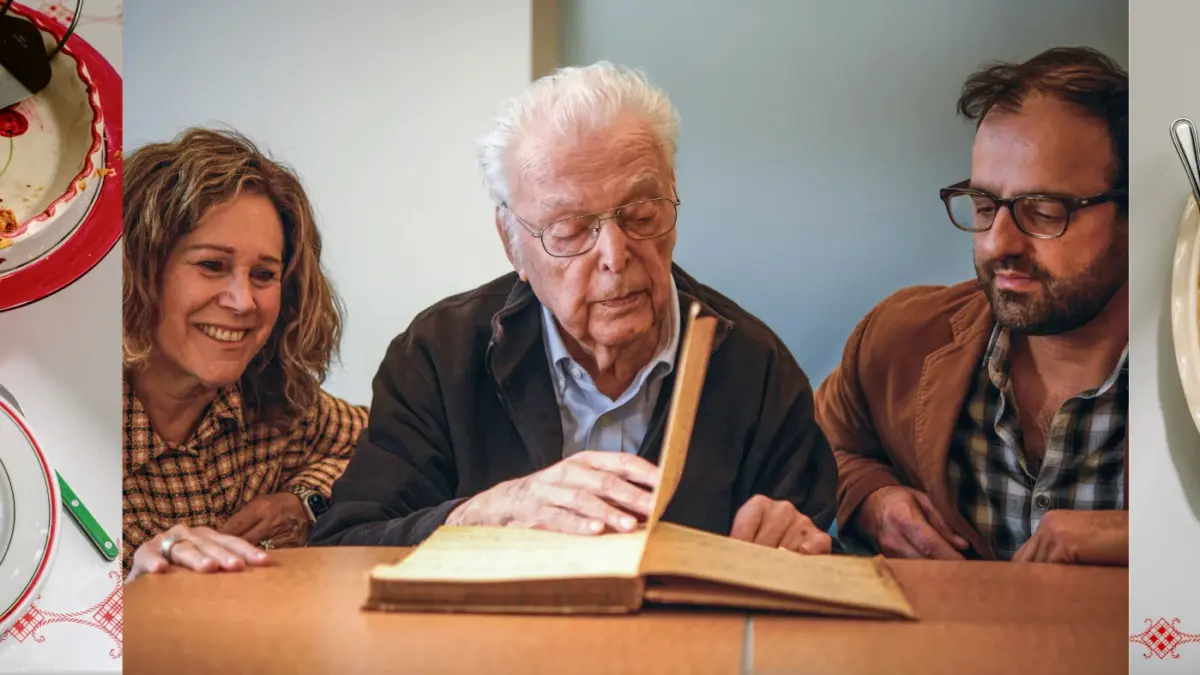
WWII food memories, Digimart Global: Chef Alon Shaya, of the New Orleans restaurant Saba, believes a shared meal can open conversations and break down barriers. That belief shaped his work with the Rescued Recipes initiative at the United States Holocaust Memorial Museum, which led him to study the role food played during World War II.
The result is his new historical cookbook, Memories of a Good Meal: Recipes of Resilience Inspired by Stories of World War II Survival. Shaya hopes home cooks will use the recipes to start dinner table conversations about the stories behind them, and he said he wants readers to put their phones down and share the stories of survival, resilience and heroism that the dishes carry.
Among the stories is that of Roddie Edmonds, a U.S. Army master sergeant whose unit was captured in the Battle of the Bulge and imprisoned in a German POW camp.
According to the publisher’s report, Edmonds posthumously received the Congressional Medal of Honor earlier this year for refusing to turn over his Jewish troops to be sent to concentration camps.
To cope with the horror of the camp, Edmonds and fellow prisoners talked about foods that reminded them of home, including Sunday spaghetti sauce, hot cakes and cherry pie. They even sketched plans for a restaurant they called the Jolly Chef, where they would serve candied yams with pecans and whipped marshmallow, one of the recipes in the book.
Other chapters cover Polish partisan fighters who lived in underground bunkers and sabotaged the Nazis, using vodka as currency for bartering and celebration, and a recipe for smashed potatoes flambéed in vodka that reflects that story. The book also includes accounts from Hungarian Jews whose non-Jewish cook saved a family cookbook as they were sent to Auschwitz, a French village that hid Jewish children from the Nazis, Navajo code breakers, and Japanese Americans incarcerated in military-style camps in the United States.
June Hersh, a food historian and writer who worked with Shaya on the book, described remembering favorite recipes as a form of resistance. “You can put me in a uniform, you can make me do hard labor, you can shave my head, you can starve me if you want, but I’m not going to let go of my food memory,” she said.
“It’s something you can’t take away from me.”