
UK-EU food deal, Digimart Global (United Kingdom): British food producers have broadly welcomed a UK-EU sanitary and phytosanitary (SPS) agreement designed to remove the vast majority of physical checks on food, plants and animal products. The deal is expected to benefit food exporters and allow UK delicatessens and other small retailers to import European cheese and wine again, something that had become economically unviable because of costly Brexit checks.
The agreement is due to take effect on 1 March 2028. It is also intended to reopen the EU market for UK products including fresh sausages, burgers, seed potatoes and molluscs. Some exporters, however, said they would remain cautious until the deal is actually in force, with one producer saying nobody would believe it until it had physically happened.
Seed potato growers face a long recovery
Seed potatoes were excluded from the original post-Brexit trade deal after the two sides disagreed over certification, halting exports from the UK to the EU despite Scottish seed potatoes’ high health status classification. Scottish seed potato farmers had previously accounted for three-quarters of UK production, a sector worth about £112m a year.
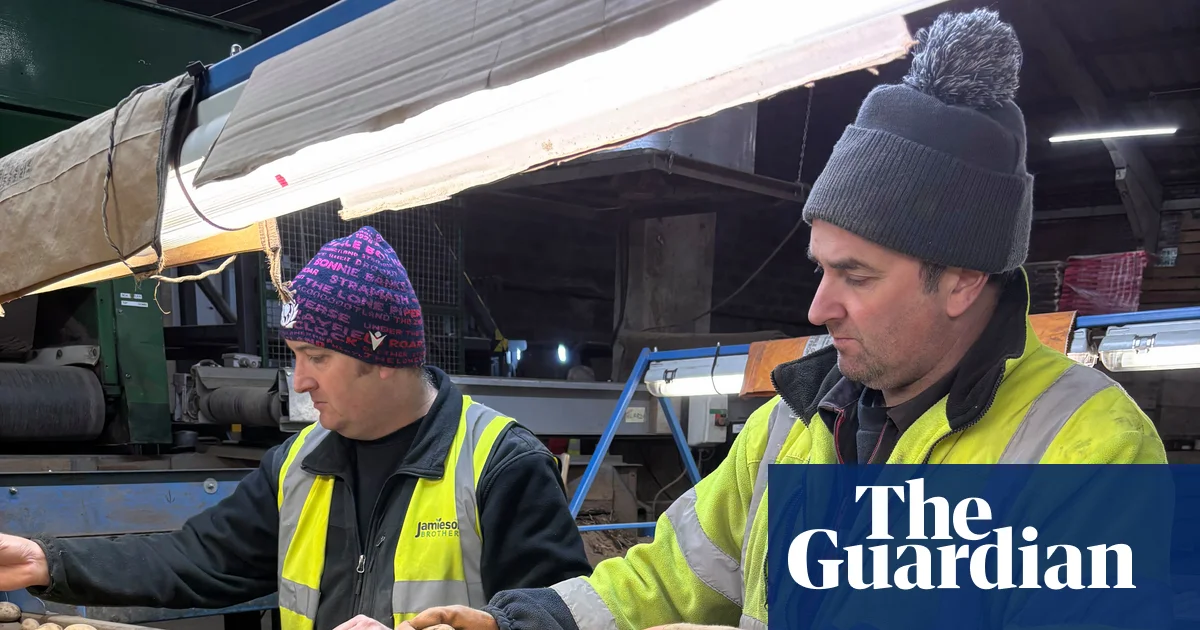
Iain Barbour, operations director of Jamieson Brothers, said the planned March 2028 start would be a couple of months late for the trade, as most sales happen at the start of the year. He expects most growers to be wary and to resume trading fully only in 2029, and said reviving varieties that had been stored in a seed bank could take at least three years.
Shellfish exporters welcome water quality assurance
British exporters of live bivalve molluscs, including mussels, oysters, clams, cockles and scallops, also hope the deal will help the small, specialised sector. Sarah Holmyard, commercial director of Offshore Shellfish, said the most important detail was an assurance that live bivalve molluscs could be exported even if they did not come from waters with the highest quality rating.
Before the new agreement, a change in water quality to “class B” could have temporarily halted exports. The deal will, however, come too late for some producers that have already closed since Brexit.
Dairy exporters see savings but ask why implementation takes so long
The promised end of physical border checks on dairy, fish and meat products was welcomed by Rich Clothier, managing director of Wyke Farms, which exports about a quarter of its cheddar to the EU. Clothier said removing veterinary checks would save significant cost and product waste for perishable goods, but said it was frustrating that implementation would take so long, adding that the two sides were largely aligned already.