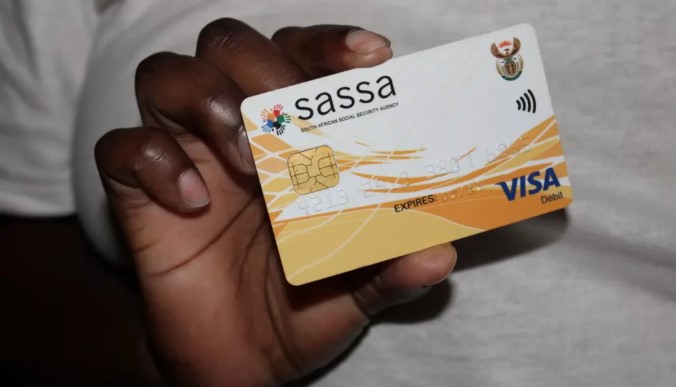
2027 SASSA grant increase, Digi Mart USA News (South Africa): South Africans relying on SASSA (South African Social Security Agency) grants must wait until the February Budget Speech to learn the exact figures for 2027 increases. Finance Minister Enoch Godongwana confirmed in Parliament that decisions about next year’s increases will only be finalized as part of the broader 2027/28 budget process.
The final amounts and their approval also depend on Cabinet agreement, with the minister emphasizing that decisions are made according to government “affordability and priorities.”
Reviewing the past two years gives some insight into what may unfold. In the 2025/26 period, most core SASSA grants rose by R130 (5.9%), while for 2026/27 the increase was more modest: R85 (3.7%).
The minister stated that while inflation, especially food prices, guides these decisions, ultimately resource availability dictates what is possible.
SASSA has experienced major growth in its reach over the last two decades. In 2006, the agency provided about 12 million grants.
As of 2026, this figure stands at 26.6 million, including the Social Relief of Distress (SRD) grant, amounting to 41% of the population compared to 25% twenty years earlier.
Excluding SRD, the number of core grant recipients has grown from 12 million to 18.8 million. The number of Old-Age Grant recipients has nearly doubled from 2.2 million in 2006 to 4.2 million in 2026.
Spending on social grants has remained steady at just above 11% of government expenditure, even as recipient numbers and grant amounts have changed.
Although exact grant amounts for 2027 have not been set, current projections offer a sense of what might be in store. According to Treasury estimates, the number of grant beneficiaries is now declining, with recent trends showing changes in beneficiary numbers.
Applying increases similar to recent years to the current R2,400 Old-Age Grant gives three plausible scenarios. Some analysts anticipate an increase landing between the cautious and inflation-led scenarios, possibly R100, bringing the Old-Age Grant to a round R2,500, with those aged 75 and over potentially receiving R2,520.
Sustaining and funding grant increases is a significant public expense. For every R100 added to the Old-Age Grant, it costs the government about R5.1 billion annually, given approximately 4.2 million beneficiaries.
The Mid-Term Budget Policy Statement (MTBPS) earlier revised revenue projections upward by R17.1 billion, with the national deficit at 3.9% of GDP, affecting the fiscal room for maneuver.
Decisions around grant increases therefore remain firmly tied to balancing inflationary pressures, economic growth and social demand with what the government can sustain without endangering fiscal stability.
The key takeaway for SASSA beneficiaries is that concrete figures will only be revealed in the February 2027 Budget Speech, with any increases scheduled to take effect in April, following tradition. Ongoing discussions emphasize the tension between rising living costs and the need for fiscal prudence.
While previous increases offer clues to what is possible, official decisions will ultimately reflect the economic landscape and governmental priorities as the new year unfolds.
For millions of South Africans, SASSA grants remain a lifeline. Social grants play an essential role in supporting vulnerable groups and helping to reduce poverty.
Policy decisions around these grants will continue to be watched closely, as many rely on them to meet basic needs. The annual grant increases hold particular significance as food and living costs continue to put pressure on lower-income households across the country.