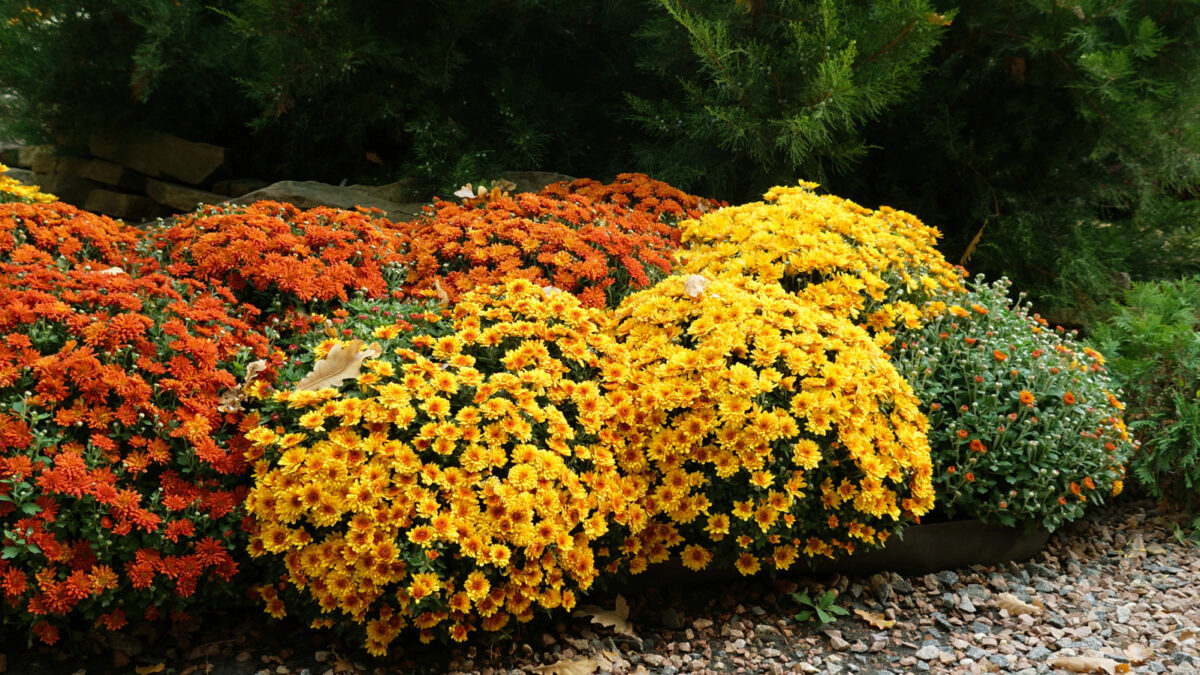
Winter-blooming pansies, Digi Mart USA News: According to a Real Estate publisher article published by House Digest, gardeners looking for flowers that last longer than fall mums may consider pansies (Viola x wittrockiana). While hardy mums are rated for USDA zones 4 through 8, the article says florist mums die from a hard frost and garden mums have a short flowering season that barely lasts through light freezes.
Pansies are cold hardy in zones 6 through 10 and can flower beyond the first frost, tolerating several light freezes. The article says they bloom whenever temperatures are above freezing and may even appear through snow.
In mild-winter areas, roughly zones 8 through 11, pansies may flower all winter, offering up to six months of blooms. In colder northern areas, they pause during the coldest months and resume flowering in spring until summer heat arrives.
The article notes more than 300 recorded pansy varieties in violet, maroon, gold, rose and combinations of these colors, some with face-shaped blotches. Gardeners can add texture with ruffled, curved or crinkled petals or choose trailing types.
Southern gardeners may prefer modern hybrids, which the article says tend to be more heat tolerant and can extend the display further into spring.
For the best flowering, the article recommends six to eight hours of direct sun, with morning sun preferred because it dries dew that fungi use to spread. In the Deep South, a partly shaded spot may help during warm spells.
Pansies need well-draining soil, so raised beds or planting on a grade about 6 to 8 inches above surrounding soil is suggested. The article says they prefer a soil pH of 5.4 to 5.8, and lime should be added only if a soil test calls for it.
Containers with a suitable potting mix can make it easier to move plants for sun or cold protection, and plants should be spaced 6 to 10 inches apart.
To encourage a long blooming season, the article recommends a slow-release fertilizer at planting and feeding about every three weeks according to package instructions. Removing spent flowers weekly can encourage reblooming and reduce disease-causing microbes.
The article warns against overwatering or watering overhead, noting that excess moisture may attract slugs and snails and wet leaves may develop Cercospora leaf spot in fall.
The article says pansies are resilient and can recover from freeze-thaw cycles and brief drops to single-digit temperatures. Extended periods below 20 degrees Fahrenheit combined with dry, drying winds may cause stress and graying leaves, and frozen ground limits water access.
In cold areas, it suggests a 2-inch layer of fine mulch such as pine straw or nuggets, and for hard freezes, covering beds with 2 to 4 inches of pine straw. Porous containers such as terracotta are less suitable in cold conditions.
Winter is also suggested as a time to remove frost-injured, diseased or decayed stems and flowers and trim gangly stems to promote bushier growth and more blooms in spring.