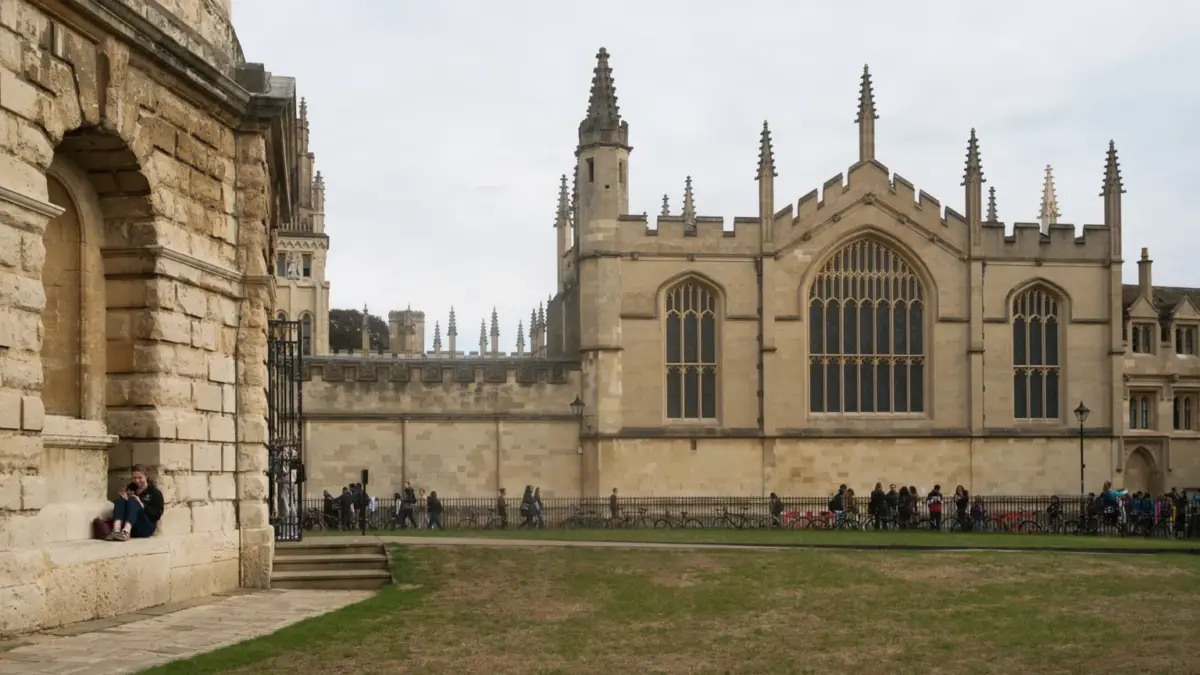
student visa rejected, USA News: The Home Office is refusing growing numbers of student visas for unusual reasons, with one applicant allegedly rejected for failing to name the number of trees on a university campus, according to higher education leaders. In another reported case, a student was denied a UK visa after being accused of giving the wrong founding year for their university, though the applicant turned out to be correct.
The Home Office stated it is cracking down on visa abuse after asylum claims from those entering the country on visas more than tripled under the previous government. However, universities told The i Paper that bizarre visa denials are crippling their ability to recruit overseas students. Tuition fees from international students subsidize the cost of educating Britons and keep many institutions afloat, prompting calls for decisions to be investigated amid wider pressure on Home Secretary Shabana Mahmood.
The Government maintained that all visa applications are considered on their individual merits in line with immigration rules and that cherry-picked extracts from refusals may not reflect the full rationale.
Universities Express Alarm Over Credibility Interviews
Vivienne Stern, chief executive of Universities UK, said institutions are sharing cases that do not make sense. She noted that it is forcing universities to be risk-averse about international recruitment, contributing to an autumn decline. More than 13 percent of student visas were rejected in the first three months of the year, up from 6.1 percent during the same period last year.
UK Visas and Immigration carries out discretionary credibility interviews to verify study plans, which universities view as an expanding source of questionable rejections. James Millar, vice chancellor of the University of the West of Scotland (UWS), highlighted an applicant rejected for not describing the number of trees on campus, as well as another rejected for not applying to Canada after mentioning they had considered it.
Millar noted that rejected applicants typically come from a small number of countries, including India, Pakistan, Bangladesh, Nigeria, and Ghana. Meanwhile, student visas were banned outright from Afghanistan, Cameroon, Myanmar, and Sudan earlier this year due to asylum concerns.
Compliance Risks and Institutional Penalties
New rules introduced in June penalize universities if more than 5 percent of their sponsored study visas are rejected, down from 10 percent previously. Exceeding this threshold can result in institutions losing their ability to sponsor international students entirely. Steven McGuire, deputy vice chancellor at the University of East Anglia, said his institution has cut back on recruiting from certain countries to avoid refusal risks, citing examples such as caseworkers confusing Norfolk with Norwich.
Nick Hillman, director of the Higher Education Policy Institute, asserted that officials conducting the interviews are not fit for the job. A Government spokesperson reiterated that robust controls and checks protect the immigration system, adding that universities have only been provided with partial extracts from refusals.