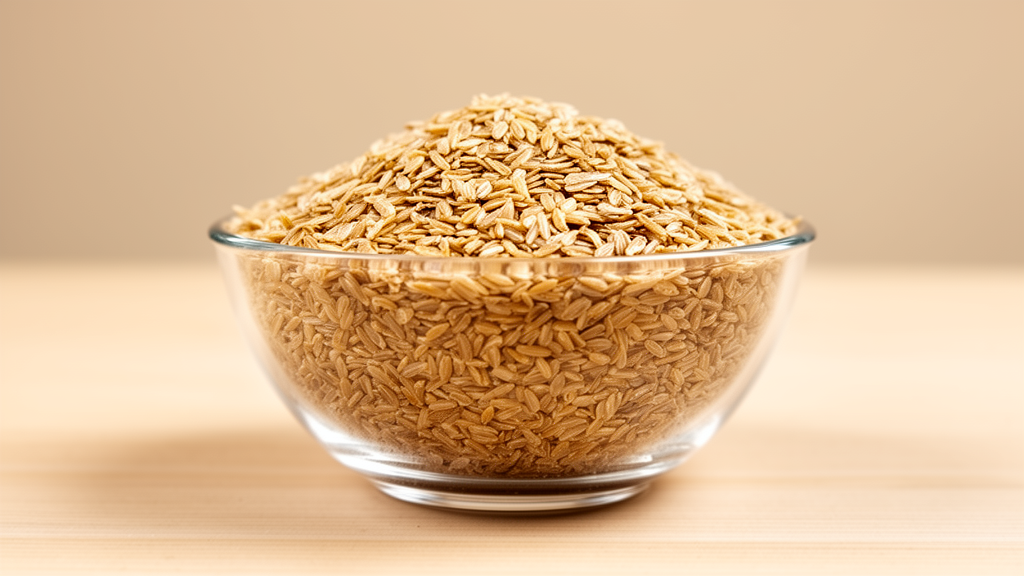
Psyllium supplementation and LDL cholesterol reduction, Digi Mart USA News: A comprehensive systematic review and dose-response meta-analysis of randomized controlled trials indicates that psyllium supplementation significantly reduces low-density lipoprotein cholesterol and total cholesterol levels in adults. The study was published in the journal Genes & Nutrition and synthesized data from 41 randomized controlled trials involving a total of 2,049 participants.
The research team, led by Zeinab Gholami and Zamzam Paknahad, evaluated the impact of psyllium consumption on key lipid profile markers, including low-density lipoprotein cholesterol, triglycerides, high-density lipoprotein cholesterol, and total cholesterol. The findings suggest that while psyllium has a measurable effect on certain lipid fractions, its influence on others remains statistically insignificant, highlighting a nuanced picture of its metabolic benefits.
The study was registered in the PROSPERO system and followed the Preferred Reporting Items for Systematic Reviews and Meta-Analyses guidelines. The researchers searched Scopus, the Institute for Scientific Information Web of Science, and PubMed for eligible publications from March 15, 2022, to August 2, 2025.
The search was restricted to English-language articles involving human adults over the age of 18.
The included studies were published between 1988 and 2022 and featured intervention durations ranging from 14 to 182 days. Participants were drawn from locations including Iran, Malaysia, Italy, Spain, the United States, Pakistan, Mexico, the United Kingdom, Australia, Germany, Canada, Palestine, and Poland.
The average age of participants ranged from 24 to 66.2 years, and most studies included both men and women.
Psyllium dosage varied across the trials, ranging from 0.002 to 25 grams per day, which allowed the researchers to examine potential dose-response relationships. The researchers calculated weighted mean differences with 95% confidence intervals using a random-effects model to account for considerable heterogeneity among the studies.
The meta-analysis found a statistically significant decrease in low-density lipoprotein cholesterol, with a weighted mean difference of -8.55 and a 95% confidence interval from -12.92 to -4.19, with a p-value less than 0.001. Total cholesterol also decreased significantly, with a weighted mean difference of -9.05 and a 95% confidence interval from -13.71 to -4.40, with a p-value less than 0.05.
By contrast, the effects of psyllium on triglycerides and high-density lipoprotein cholesterol were not statistically significant. The weighted mean difference for triglycerides was -5.29, with a 95% confidence interval from -12.14 to 1.54.
For high-density lipoprotein cholesterol, the weighted mean difference was 0.57, with a 95% confidence interval from -0.88 to 2.04. These results indicate that psyllium may influence the so-called bad cholesterol fractions but does not consistently alter triglyceride levels or the good cholesterol fraction in the adult population studied.
Subgroup analyses and meta-regression explored sources of heterogeneity and dose-response relationships. Significant cholesterol and LDL reductions varied with dosage and duration, with notable effects observed for intervention periods both shorter and longer than 50 days and for dosages greater than 10 grams per day.
For triglycerides, a significant reduction was observed at dosages below 10 grams per day and for durations shorter than 50 days. High-density lipoprotein cholesterol showed no significant dependence on dosage or duration.
The researchers assessed publication bias using Egger’s and Begg’s tests. Egger’s test indicated publication bias only for low-density lipoprotein cholesterol.
Trim-and-fill analyses suggested that psyllium’s effect on lowering lipid profiles may be slightly underestimated in the primary analysis when potential missing studies are accounted for.
The study acknowledged several limitations, including high heterogeneity, with I-squared values exceeding 75% for all lipid markers. The authors noted that short-term interventions may not produce meaningful lipid changes and that differences in randomization, blinding, dietary intake and physical activity may contribute to variability.
The restriction to English-language articles and the limited number of databases searched may also introduce selection bias. The authors called for future trials with standardized dosages, longer durations and better control of confounding variables.
Psyllium is derived from the seed husk of Plantago ovata and is a highly soluble dietary fiber with gel-forming properties. The researchers described proposed mechanisms in which viscous fiber binds bile acids, enhancing their fecal excretion, promotes intestinal fermentation and may influence cholesterol metabolism.
Reported adverse events in the included studies included abdominal cramps, heartburn, constipation, gas, bloating, diarrhea and stomach pains.
The study was published in Genes & Nutrition (2025, Article 27), DOI: 10.1186/s12263-025-00786-5.