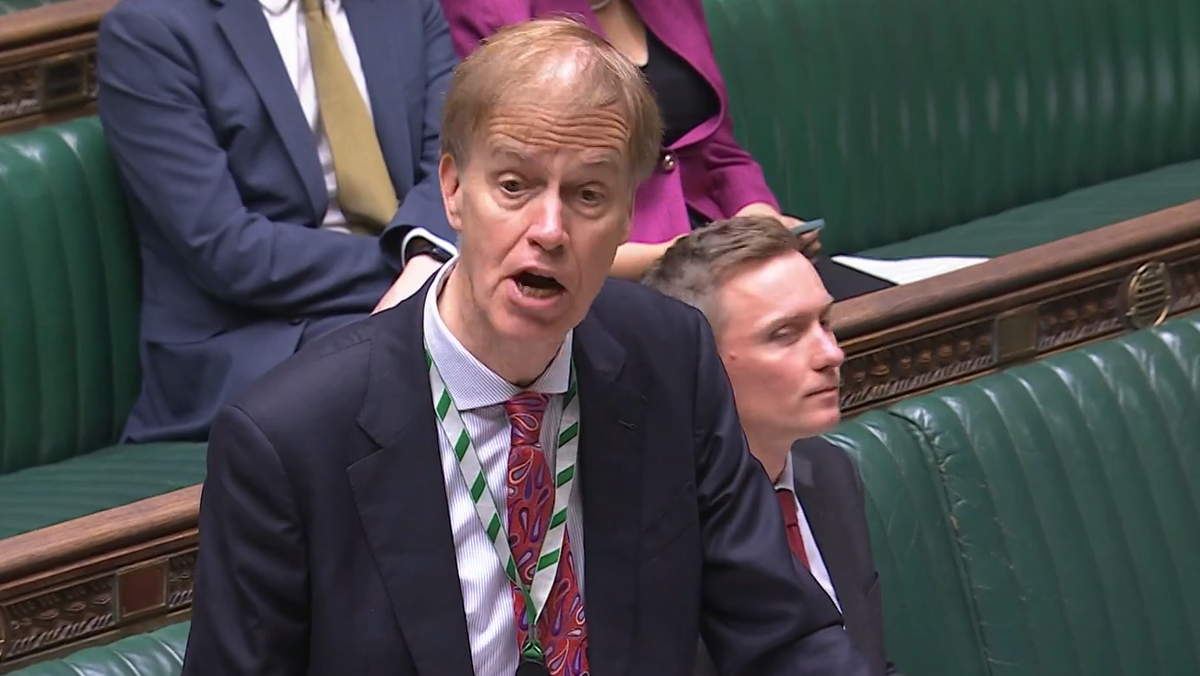
Personal Independence Payment (PIP) reform and Timms Review, Digi Mart USA News (United Kingdom): An update has been given amid fears that a major review of how Personal Independence Payments are administered could see cash replaced with vouchers. A Government-commissioned review into the costs and operation of the disability benefits system is set to be published this autumn.
The review, led by social security minister Sir Stephen Timms, described the system as “no longer fit for purpose” in its interim findings in July. According to data published recently by the Department for Work and Pensions (DWP), a total of 4.09 million people were entitled to claim PIP as of July 31, 2026.
Ministers are expected to lay out their response to the Timms review into disability benefits reform, as well as the Milburn review into getting more young people who are not in education, employment or training (NEETs) into work, in the coming weeks. Some assessments have said that giving people cash should be reconsidered.
The Institute for Fiscal Studies (IFS) report on reforming PIP, which considers replacing cash with in-kind help, said that a particular advantage of cash is that it enables claimants to choose how to spend the benefit, including on social care or healthcare. It also said it is less obvious that cash is the right form of support if the goal is to address reductions in well-being arising from disability.
In a new Parliamentary written question, Labour’s Neil Duncan-Jordan asked Secretary of State for Work and Pensions Pat McFadden whether cash will remain the default way in which PIP is provided to all claimants following the Timms Review, with any non-cash support accessed voluntarily. Sir Stephen Timms replied that the Timms Review steering group is considering its recommendations ahead of the final report’s publication in autumn, and that the Secretary of State will consider the findings before deciding any next steps.
Sir Stephen was also asked by Conservative MP Joy Morrissey about the potential merits of means-testing PIP to ensure targeted support. He replied that the purpose of the Timms Review is to ensure PIP is fair and fit for the future, and that the government is committed to keeping PIP a non-means-tested cash benefit available to people in and out of work.
The IFS report, published in September 2026, said there are no easy options for reform and that all options entail difficult trade-offs with winners and losers. It noted that spending on PIP has surged from £14 billion in 2019/20 to £25 billion in 2025/26 and is forecast to reach £34 billion by 2030/31.
The IFS said the government needs to determine whether it wants to provide resources to those whose living standards are lower because of disability-related costs, or whether it wants to promote well-being, in which case subsidizing particular goods and services through vouchers or in-kind support could be more effective.
The IFS found that the current system awards equal payments to individuals with vastly different disability severities. Among the options it set out, means-testing PIP by integrating it into Universal Credit could save up to £8.2 billion annually, or 33% of current spending.
Restructuring PIP tiers so awards scale proportionally with disability severity would increase support for claimants with severe, high-cost disabilities while reducing awards for those with mild or moderate impairments.
The IFS also said a blanket restriction ending PIP for all under-30s would save £5.5 billion annually but would affect many young adults with severe conditions, while restrictions targeting only under-30s with less severe conditions would cap savings at £2.2 billion.