November 9 historical events anniversaries, Digi Mart USA News: Each November 9, several events are commemorated that left a mark on political, social and cultural history. Among the most significant are the 1989 opening of the borders of East Germany, which allowed the fall of the Berlin Wall, and Kristallnacht in 1938, along with various events related to Mexico’s Independence.
The day also recalls figures who contributed to music, literature, science and technology, and promotes international causes related to human rights, adoption, and the fight against fascism and anti-Semitism. In national history, the date is linked to episodes of the insurgent struggle, political decisions and educational advances.
In Mexican history, José María Morelos left Zanjón in 1810 and passed through Coyuca, where Juan Álvarez joined him, before continuing toward Acapulco during military operations of the Independence struggle. In 1812, Spain’s Cortes Generales issued measures to abolish the repartimiento of indigenous people and mandatory personal services.
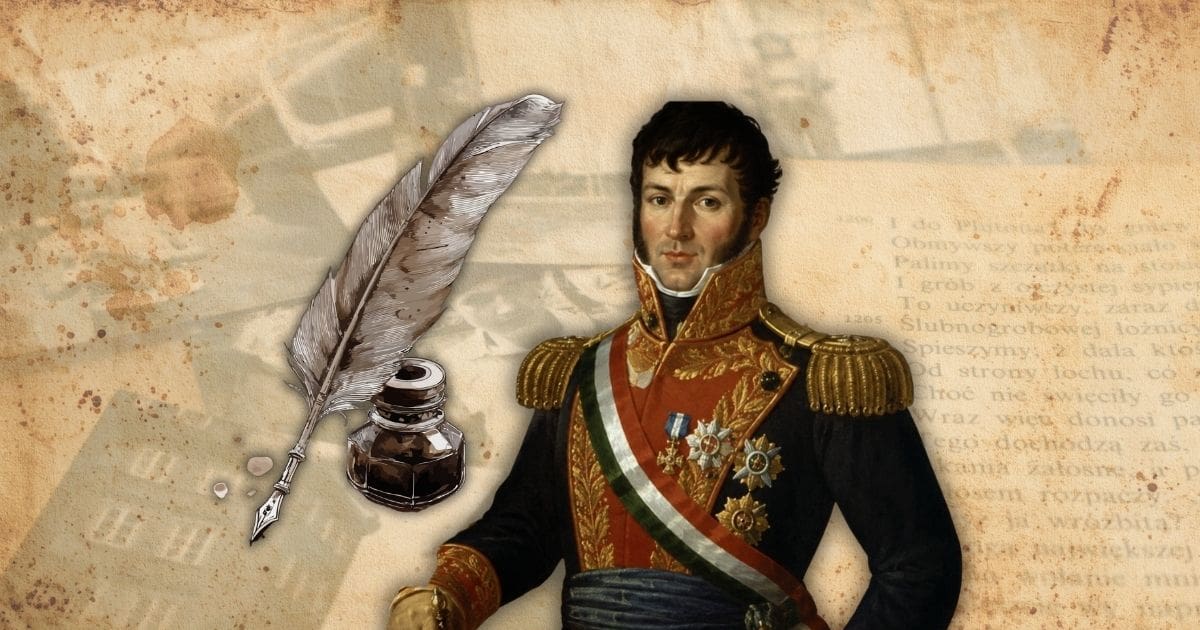
In 1820, Agustín de Iturbide took military command of the Army of the South, tasked with fighting insurgent forces led by Vicente Guerrero.
In 1854, Tulancingo, now part of the state of Hidalgo, was granted city status. In 1885, writer, historian and politician Justo Sierra proposed that primary education be national, secular and free.
In 1957, Mexican composer Quirino Mendoza y Cortés, author of “Cielito lindo,” died in Mexico City. In 1999, TAESA Flight 725 crashed near Uruapan, Michoacán, killing 18 people.
Several events on November 9 also reshaped the international political landscape and left lasting social consequences. Among the most remembered are the persecution of Jews under Nazism and the fall of the Berlin Wall.
In 1799, British scientist and inventor William Sturgeon, who developed the first practical electromagnet, was born. In 1918, Kaiser Wilhelm II abdicated as German emperor amid a deep political and social crisis that led to the end of the German monarchy.
In 1938, Kristallnacht occurred, a series of attacks organized by the Nazi regime against Jews in Germany and Austria. Businesses, synagogues and homes were destroyed, and arrests and killings were recorded.
The episode is considered one of the gravest antecedents of the Holocaust. In 1960, John F.
Kennedy won the U.S. presidential election against Republican Richard Nixon, opening a new administration in the White House.
In 1989, authorities announced the opening of East Germany’s borders, allowing thousands of people to cross the Berlin Wall freely. The event triggered its fall and became one of the most important symbols of the weakening of the socialist bloc and the end of the Cold War.
In 2005, coordinated terrorist attacks targeted hotels in Amman, the capital of Jordan, leaving dozens dead and shocking the region.
The date also coincides with the births of notable figures in literature, music, acting, astronomy and sports, including Ivan Turgenev (1818), author of “Fathers and Sons”; Chucho Monge (1910), composer of “México lindo y querido”; Fernando Fernández (1916), Mexican actor and singer known as “El Crooner de México”; poet Anne Sexton (1928), a Pulitzer Prize winner; astronomer Carl Sagan (1934); and chess champion Mikhail Tal (1936).
The day also marks the deaths of several cultural figures, including Turgenev in 1918 (per the source), Quirino Mendoza y Cortés in 1957, and Mexican actor and wrestler Wolf Ruvinskis in 1999.
The date is also tied to observances that keep social causes and fundamental rights in view. The International Day Against Fascism and Anti-Semitism commemorates the victims of Kristallnacht and promotes the fight against racism, discrimination and fascist ideologies.
World Adoption Day promotes awareness of children’s right to grow up in a family environment that offers protection and opportunities. In some countries, November 9 is also observed as International Inventors’ Day, in honor of the birth of Hedy Lamarr, an Austrian actress and inventor whose work contributed to wireless communication technology.
The 1989 border opening was a turning point. East German authorities announced it, and thousands of people gathered at the Berlin Wall to cross into West Germany after decades of separation.
The wall had been built in 1961 to divide East and West Berlin amid political and ideological tensions between the blocs led by the United States and the Soviet Union. For nearly three decades it symbolized the division of Germany and Europe during the Cold War.
The opening of the borders on November 9, 1989 marked a decisive moment in German reunification and in the transformation of the European political order, and the date remains one of the most important symbols of the end of Cold War bloc confrontation. Together, November 9 brings together episodes of struggle, political transformation, humanitarian tragedies, and cultural and scientific advances, and its historical significance serves as a reminder of the events that changed the course of nations and the importance of preserving collective memory and defending human rights.