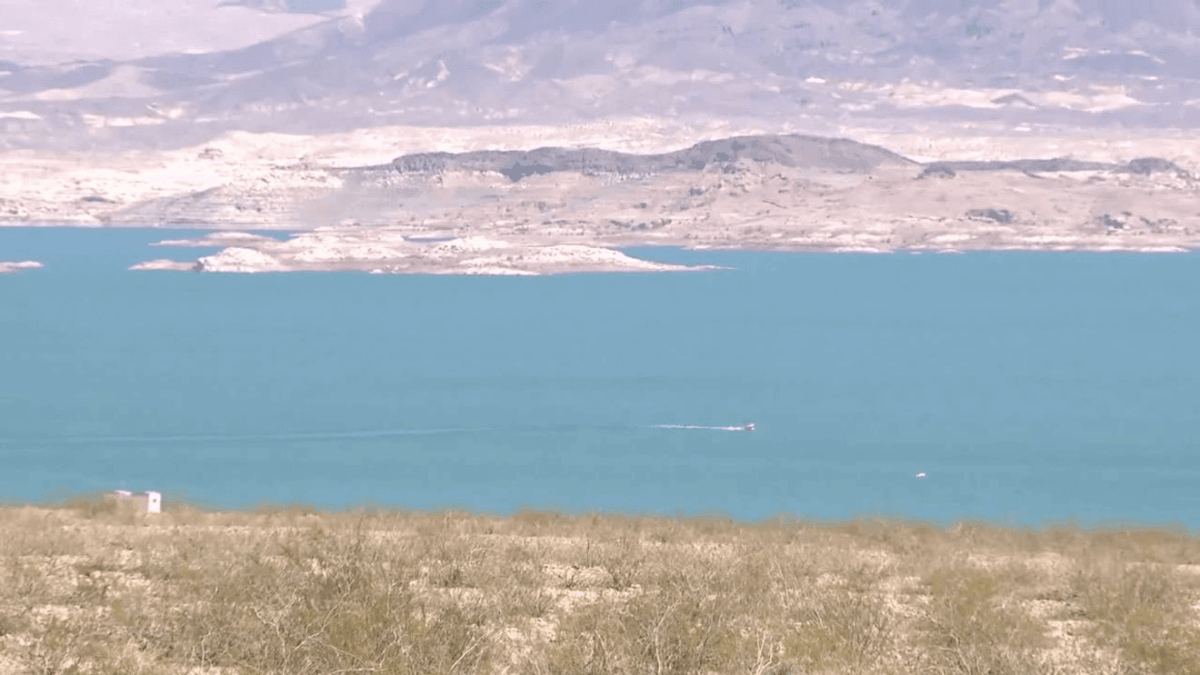
Lake Mead water levels after storms and winter snowpack outlook, Digi Mart USA News: Recent storms have lifted water levels at Lake Mead and Lake Powell, offering some relief to the drought-stricken Colorado River system as attention turns to the winter snowpack that could help replenish the reservoirs.
Lake Powell has risen about 22 feet since mid-September, while Lake Mead has climbed about two feet since Sept. 17, according to News 3 Chief Meteorologist Bill Bellis. “It’s nice to see that the lakes have responded to rain, which normally doesn’t have much of an impact,” Bellis said.
But those gains follow roughly 25 years of drought, said Bronson Mack, a spokesperson for the Southern Nevada Water Authority. While the recent precipitation has helped the reservoirs, Mack said it also caused significant flooding and property damage in the upper Colorado River Basin.
“One year of significant precipitation isn’t enough to really help the Colorado River system recover,” Mack said.
The rise in Lake Powell means more water is available in the reservoir upstream of Lake Mead. Still, Mack described the improvement as limited compared with the depletion the system has experienced over the past two decades.
“This increase in elevation is just, you know, a very minor improvement to near-term conditions,” he said.
Bellis said early-season snowpack is near normal, a promising start as more storms could bring additional snow to the mountains that feed the Colorado River. “This is actually great news to have snowpack near normal this early,” Bellis said.
How long that snow remains in the mountains will also matter. Bellis said colder conditions and a gradual spring melt would be preferable to a rapid warmup that melts the snowpack too quickly.
Mack also emphasized the need for significant snowpack in the Colorado Rockies to help replenish the river system.
As the winter outlook develops, Southern Nevada has infrastructure in place to maintain access to Lake Mead’s water if the reservoir falls further. Mack said intake No. 3 and the low lake level pumping station sit below the lake’s “dead pool” elevation, the point at which water can no longer pass through Hoover Dam to reach downstream users.
“However, Southern Nevada would still have access to the water that remains in Lake Mead,” Mack said.
That access does not eliminate the need to conserve. Mack said efforts by residents, businesses, resorts and golf courses have helped reduce the community’s water demand.
“We just all need to stay focused on conservation,” Mack said. “It has all really helped to reduce our water demands as a community and help ensure our long-term sustainability.”