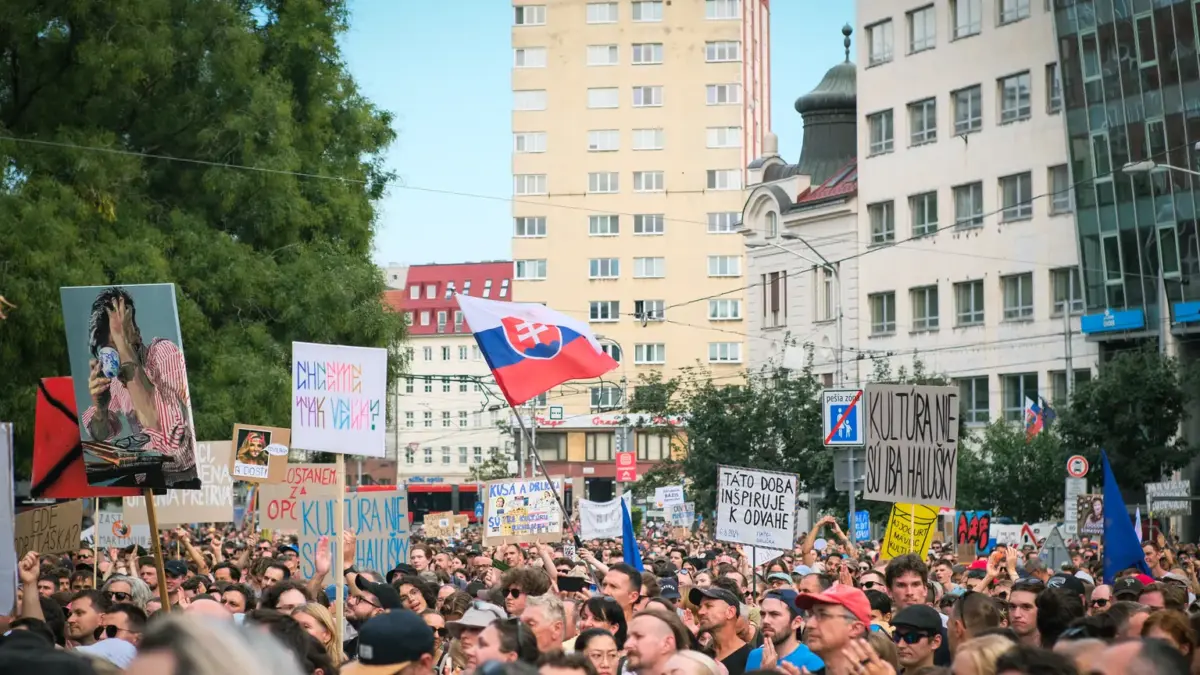
Gen Z protests, USA News (Europe): Youth-led protest movements spread to Germany and Switzerland over the Halloween weekend, while demonstrations continued in France, Spain, Italy, and Portugal, forming part of a continent-wide wave dubbed “Europe’s hot autumn.” Events were organized across dozens of cities by student groups, trade unions, and movements such as Gen Z Regelt in Germany and the Yellow Vests in France. Demonstrators cited grievances including the cost of living, lack of employment and housing, public service funding, the rise of far-right political parties, and increased rearmament, which some critics term militarization.
France witnessed some of the largest demonstrations, drawing hundreds of thousands of participants in Paris, Marseille, and other urban centers, with some events turning into disorder. Police deployed tear gas and stun grenades to disperse crowds after masked rioters joined the marches. Meanwhile, Germany experienced mass protests with tens of thousands participating across roughly 30 locations. Although most events remained peaceful, clashes occurred in Berlin, Frankfurt, and Hamburg, where protesters threw bottles and fireworks at police who responded with water cannons. In Frankfurt, some shops suffered looting and 54 individuals were detained.
German interior minister Alexander Dobrindt stated to Bild newspaper that police prevented violence comparable to incidents in Paris, adding that he expects severe penalties for those involved. Hesse interior minister Roman Poseck characterized the unrest as infiltration by approximately 100 left-wing extremists, labeling the conclusion shameful. A spokesperson for the Gen Z Regelt group in Frankfurt estimated 7,000 students and young workers participated, noting widespread frustration over social service cuts, lack of future choices, and massive rearmament spending.
Similar youth-led unrest reached Switzerland, where crowds clashed with police in Zurich and Basel, leading law enforcement to use water cannons as reported fires broke out on streets. In Spain, local authorities arrested protest leaders and secured parts of Barcelona to prevent disruption, while thousands marched in Portugal over housing costs and affordability. In Italy, the Union Sindicale di Base union estimated over a million participants joined general strike actions on Friday across multiple cities, protesting against the war economy, high living costs, and repression of demonstrators.
David Madden, an associate professor of sociology and director of the Cities Programme at the London School of Economics, highlighted housing as a central grievance driving the protests. He noted that young protesters feel their future has been compromised, demanding stable, less expensive, and more secure housing rather than traditional homeownership alone.